
This is our West Nile North Texas 2026 fall update. A lot of people put the bug spray away the first week it feels like fall. I get it. But this year, the numbers say mosquitoes and West Nile are not done yet.
On October 8, Dallas County reported its first West Nile death of 2026. State data through the first week of October still shows positive mosquito samples across Dallas, Denton, and Collin counties, plus human cases in several of the counties around us.
This is a quick, dated update. I’ll share what the latest reports show, why mosquitoes hang on through October here, and the simple things that make the biggest difference around your yard right now. If you want the bigger picture on West Nile and mosquitoes at home, our earlier North Texas West Nile mosquito update covers the basics.
TL;DR
West Nile is still active in North Texas in October 2026. The latest preliminary state report (week ending October 3) shows 186 positive mosquito pools and 5 human cases in Dallas County, with positive pools in Collin and Denton counties and a human case in Rockwall County.
One cool night does not end mosquito season. Keep dumping standing water every week, use an EPA-registered repellent at dusk and dawn, and keep it up until we get a stretch of consistently cold weather.
West Nile North Texas 2026: Is It Still a Risk in October?
Yes. As of the Texas DSHS report for the week ending October 3, 2026, West Nile was still being found in mosquito samples across Dallas, Collin, and Denton counties, and human cases had been reported in Dallas, Denton, and Rockwall counties. Dallas County health officials also reported the county’s first West Nile death of the year on October 8.
A few honest qualifications:
- These are preliminary numbers. DSHS says its weekly reports are snapshots that can change during quality checks.
- Positive mosquito pools tell you the virus is circulating in an area. They do not tell you which neighborhood or backyard has infected mosquitoes.
- Human case counts are by county of residence and usually lag behind when someone actually got sick.
Here is what the week 39 report showed for our area (2026 year to date, preliminary):
| County | WNV-positive mosquito pools | Human West Nile cases |
|---|---|---|
| Dallas | 186 | 5 |
| Denton | 38 | 5 |
| Collin | 24 | 0 reported |
| Rockwall | Not listed as positive pools | 1 |
Source: Texas DSHS 2026 Arbovirus Weekly Report, Week 39 (ending October 3, 2026). Preliminary data, subject to change.
Why Mosquitoes Hang On Into Fall Here
The mosquitoes that carry West Nile in our area are mostly Culex mosquitoes. They breed in still water, especially water with leaves, grass clippings, or other organic matter in it. That describes a lot of North Texas yards in October.
Fall here is not a hard stop. We get warm afternoons between cool fronts, and every rain refills the containers, drains, and low spots that dried out over the summer. Leaves dropping into gutters and French drains make that water even better for breeding.
The forecast right now calls for a cold front around October 16, then a chance of showers around October 20 to 22. Forecasts change, but that pattern is a good example of the problem. A cool night or two can slow mosquitoes down, and then a few warm days after rain can bring them right back. It usually takes a sustained run of colder weather, not one chilly morning, before activity really drops off.
Common Signs Your Yard Is Still Producing Mosquitoes
You don’t need a lab to know whether your yard is part of the problem. Look for:
- Bites at dusk and dawn, when Culex mosquitoes are most active
- Mosquitoes resting in shady spots like under decks, in dense shrubs, or along the north side of the house
- Standing water that stays more than a few days: plant saucers, buckets, kids’ toys, tarps, birdbaths, wheelbarrows
- Clogged gutters or slow French drains holding water after rain
- Small wiggling larvae in water. If you see them, that container is actively breeding
- Neglected pools or hot tubs nearby, which can produce a lot of mosquitoes
If you’re getting bitten a lot and can’t find any water on your property, the source may be a hidden drain, a neighbor’s yard, or a nearby creek or retention pond. That’s when a second set of eyes helps.
Why This Matters
Most people infected with West Nile never feel sick. According to the CDC, about 1 in 5 people develop a fever and other symptoms, and about 1 in 150 develop a serious illness affecting the brain or nervous system. People over 60 and those with certain medical conditions face a higher risk of severe illness.
There is no vaccine for people and no specific medicine to treat it, which is why health officials focus so much on preventing bites. If you or someone in your home has a sudden high fever, severe headache, stiff neck, or confusion, call a doctor. I’m a pest control guy, not a medical professional, so for anything health related, follow your doctor and your county health department.
The point isn’t to panic. It’s to not let your guard down just because the calendar says October.
What Homeowners Can Do Right Now
These are the steps that make the biggest difference, and none of them cost much.
- Dump and drain once a week. Walk the yard after every rain and empty anything holding water. Mosquitoes can go from egg to adult in about a week in warm weather.
- Clean gutters and check drains. Fall leaves clog gutters fast. Make sure French drains and downspout extensions actually drain.
- Change birdbath and pet water every few days.
- Flip or cover buckets, wheelbarrows, kiddie pools, and tarps so they can’t collect water.
- Keep pools and hot tubs running and treated, even if nobody is swimming.
- Trim back dense shrubs and keep grass mowed so adult mosquitoes have fewer places to rest.
- Use an EPA-registered repellent when you’re outside at dusk or dawn. The CDC lists options like DEET, picaridin, IR3535, oil of lemon eucalyptus, PMD, and 2-undecanone. Follow the label, especially for kids.
- Wear long sleeves and pants when you can, and keep window and door screens in good repair.
- Talk to your neighbors. Mosquitoes don’t respect fence lines. A whole street dumping water does more than one house.
How Professional Mosquito Service Helps
Homeowner steps come first. Professional service is about finding what you might miss and adding treatment where it makes sense.
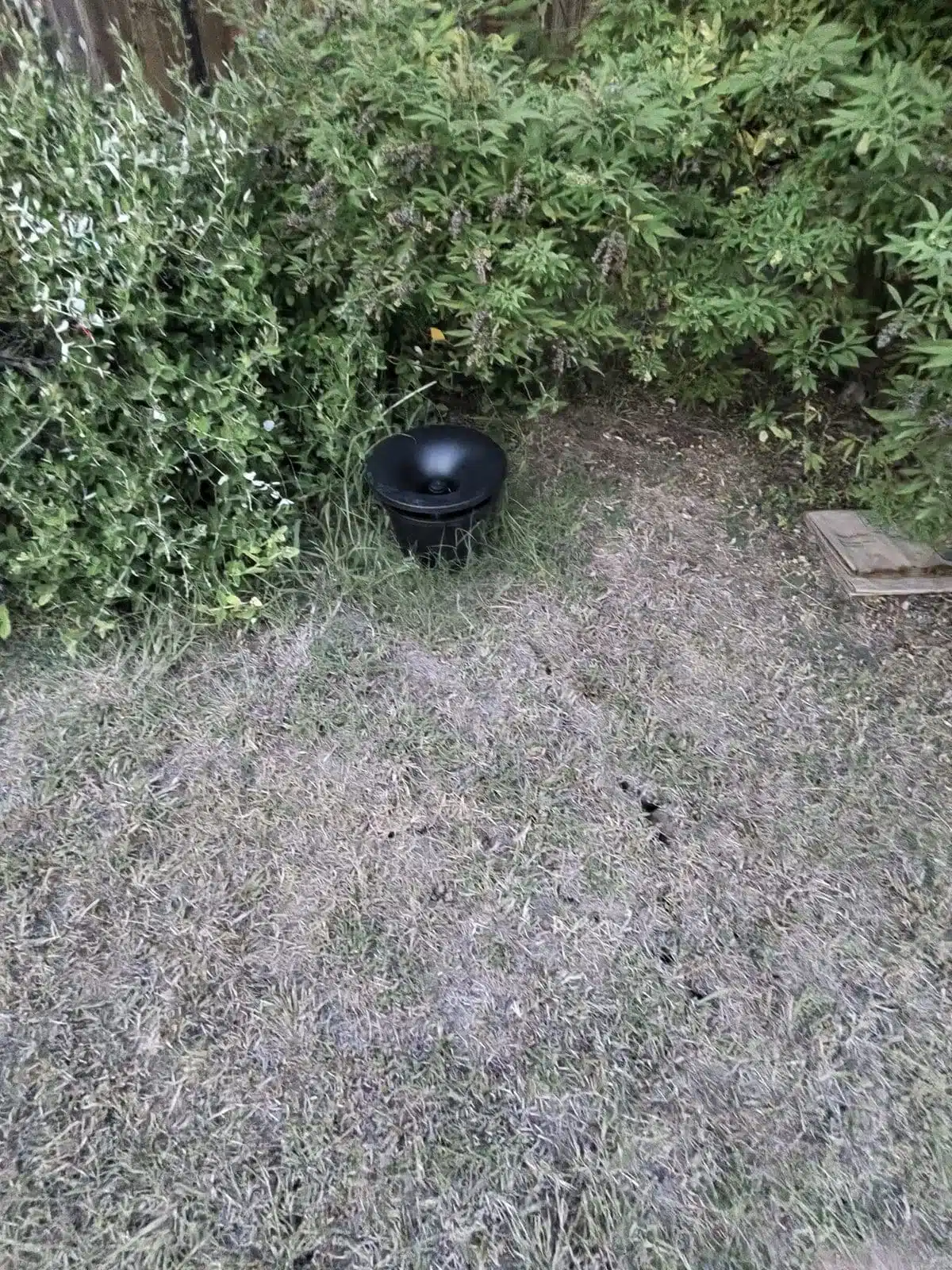
Inspection
A good inspection walks the whole property looking for breeding water and resting areas, including spots most people don’t check, like drain grates, corrugated downspout extensions, and low areas behind the fence.
Finding and Reducing Breeding Sites
The most useful thing a technician can do is point out where your mosquitoes are actually coming from, so the source can be removed or managed.
Treatment
Treatment typically targets the places adult mosquitoes rest and, where appropriate, water that can’t be dumped. Products and methods depend on the property and the label.
Follow-Up
Mosquito control isn’t a one-time fix. New mosquitoes fly in and new water shows up after every rain, so follow-up visits and ongoing yard habits are what keep numbers down.
You can read more about how we approach it on our mosquito control service page.
What This Means Locally for Sachse, Wylie, Rowlett, and Nearby
Our service area sits right where Dallas, Collin, and Rockwall counties meet. Sachse and Wylie both cross county lines, and Rowlett sits in Dallas and Rockwall counties. So the Dallas County numbers, the Collin County pools, and the Rockwall case are all relevant to the neighborhoods we work in.
Lots of homes here back up to creeks, greenbelts, and retention ponds, especially around Lake Ray Hubbard and Lavon Lake. Those areas can hold water after storms, and newer neighborhoods often have drainage features that collect leaves in fall. Add our warm-cold-warm fall weather, and October can still be a busy month for mosquitoes.
If you want to see what else tends to show up this time of year, our North Texas seasonal pest calendar walks through it month by month.
When to Contact Preferred Pest Management
It’s worth reaching out if:
- You’re still getting bitten regularly in the evening even after dumping water
- You can’t find where the mosquitoes are coming from
- You have someone at home who is older or has health concerns and you want an extra layer of protection
- You’re planning outdoor gatherings this fall and want the yard checked first
If you’re in or near Sachse, you can learn more about our pest control in Sachse, TX. When you’re ready, contact us to set up an inspection or ask a question.
Frequently Asked Questions
Does the first cold front end mosquito season in North Texas?
Usually not. A cool night slows mosquitoes down, but warm days afterward, especially after rain, can bring activity right back. It typically takes sustained colder weather before mosquitoes really drop off.
How many West Nile cases are in Dallas County in 2026?
As of the preliminary Texas DSHS report for the week ending October 3, 2026, Dallas County had 5 human West Nile cases and 186 positive mosquito pools. On October 8, the county reported its first West Nile death of the year. Numbers are updated weekly and can change.
Are there West Nile cases in Collin County this year?
As of the week 39 DSHS report, Collin County had 24 positive mosquito pools and no human cases reported. That means the virus is circulating there, so prevention still matters.
Which mosquitoes spread West Nile around here?
Mainly Culex mosquitoes. They breed in still, often dirty water and are most active around dusk and dawn.
What’s the single most important thing I can do at home?
Get rid of standing water every week, especially after rain. Removing breeding sites has a bigger long-term effect than anything you spray.
Do I need professional mosquito control in October?
Not always. If you’ve dealt with the standing water and you’re rarely bitten, good habits may be enough. If bites continue or you can’t find the source, an inspection can help pinpoint it.
What should I do if I think I have West Nile symptoms?
Contact your doctor. Severe symptoms like high fever, severe headache, stiff neck, or confusion need prompt medical attention.
Final Takeaway
West Nile is still active in North Texas this fall. The preliminary state numbers and the first Dallas County death this year are a good reminder not to quit mosquito prevention too early.
Keep dumping water after every rain, clean out those gutters and drains, and use repellent in the evenings until we get a real stretch of cold weather.
If you’d like help finding what’s breeding around your home, take a look at our mosquito control service or reach out to us. We’re happy to take a look.
Sources Used in This Article
- Texas DSHS Arbovirus Activity Report, Week 39 (Oct 3, 2026)
- Texas DSHS: Arbovirus Weekly Activity Reports
- FOX 4: Dallas County reports first West Nile virus death of the year (October 8, 2026)
- CDC: West Nile Virus: Symptoms, Diagnosis, and Treatment
- CDC: Preventing Mosquito Bites
- U.S. EPA: Find the Repellent That Is Right for You
- Texas A&M AgriLife Extension: Mosquitoes (Entomology / Mosquito Safari)
