Thin or uneven turf
Coverage and density should be reviewed alongside shade, traffic, moisture, and lawn history.
Feed the turf for its growing conditions. A stronger lawn starts with the grass, the season, and a plan that also accounts for watering and maintenance.
Preferred Pest Management offers a seasonal lawn-fertilization program for Dallas-area properties. We discuss grass type, lawn condition, application timing, and how fertilization can coordinate with weed control.
Property-specific recommendations. Clear service scope and pricing before you approve work.
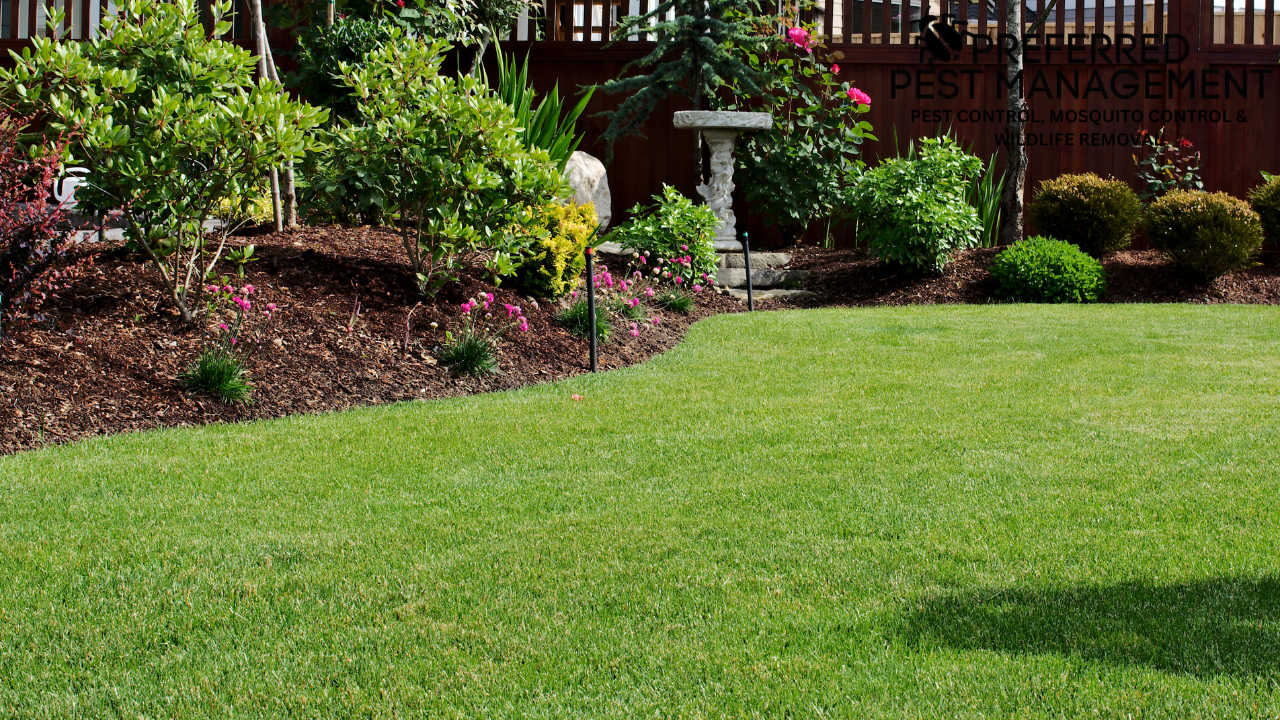 Know the turf. Support its growth.
Thinning, uneven growth, and a faded appearance can relate to several conditions. Nutrients are only one part of turf care. Tell us about shade, watering, mowing, recent sod, previous applications, and changes in the lawn. That context helps avoid treating every brown area as a fertilizer problem.
Tell us what you’ve noticed ↗Coverage and density should be reviewed alongside shade, traffic, moisture, and lawn history.
The season and actual growing conditions affect when an application is useful.
Irrigation and mowing practices can influence the lawn’s response to nutrients.
Recent installation and prior applications help determine an appropriate starting point.
We discuss what the lawn program includes and how it connects with the property’s maintenance needs.
Review turf type, accessible areas, current condition, previous products, and practical site concerns.
See the factors we consider ↗Apply the selected nutrients and schedule appropriate to the agreed lawn program and conditions.
See how service progresses ↗Weed prevention and treatment can complement fertilization, but they address a different need and should be identified in the program.
Explore weed control ↗The program should explain the lawn-care work and the practical conditions you may need to address separately.
Bermuda, St. Augustine, Zoysia, and other turf types have different needs. We discuss the actual lawn rather than assuming every property needs the same product at the same time.
Irrigation, drainage, soil conditions, shade, and compaction can affect growth. Persistent stress may need further assessment beyond adding nutrients.
Follow the directions for watering, mowing, and reentry after the actual application. Mowing and irrigation repairs are not automatically part of fertilization service.
Tell us about the grass type if known, lawn size, current condition, and watering or shade concerns. Include recent sod or previous treatments so the recommendation fits the property.
Request a lawn-fertilization quote for your Dallas-area property. Our team will contact you to discuss the details.
By submitting, you’re asking Preferred Pest Management to contact you about this service request. Submission does not book an appointment.
The recommendation follows the evidence and the property. Here is how we work through it with you.
Discuss grass type, condition, maintenance, history, and project goals.
Explain the visits, included treatments, maintenance guidance, and price.
Apply the agreed service and provide the directions relevant to that visit.
Discuss the lawn’s response and adjust recommendations when site conditions change.
Lawn-fertilization pricing depends on treated area, turf, condition, selected program, and whether weed-control applications are included. An established seasonal program and a lawn joining mid-season may need different starting work. We explain the visits and separate services rather than promise a particular color or growth result.
Request my property quote ↗Company-wide Google reviews cover different services across North Texas. They are not limited to lawn fertilization customers.
Review our local pest-control pages and contact the team to confirm lawn fertilization availability for your address.

We’re a locally and family-owned North Texas business serving our communities since 2020. We explain what we find, what the recommended service includes, and how to prepare for it.
Tell us about the building, previous service, and any access or scheduling needs. Your property details help us recommend an appropriate starting point.
Direct answers about service, preparation, pricing, and follow-up.
We discuss common Dallas-area turf such as Bermuda, St. Augustine, and Zoysia. The selected program depends on the actual grass, condition, season, and site rather than a universal application.
Timing follows the selected seasonal program and lawn conditions. Ask for the visit schedule and included applications for your property before approving service.
No. Shade, moisture, drainage, traffic, soil conditions, pests, and other factors may contribute. A condition review helps determine whether nutrients or another correction is appropriate.
It depends on the selected program. Weed prevention and treatment address a different task from supplying nutrients. Your quote should identify which applications and visits are included.
Yes, we can discuss an adjusted starting plan. Recent products, lawn condition, and remaining seasonal work affect the recommendation and price.
Follow the visit-specific watering, mowing, and reentry directions. Requirements depend on the products and conditions, so generic instructions should not replace those supplied for your service.
Those services are not automatically part of a fertilization program. We can identify relevant maintenance concerns, but the proposal defines the work actually included.
Cost depends on treated area, turf, current condition, initial needs, schedule, and any coordinated weed-control service. Contact us for a property-specific quote.
Address unwanted lawn growth
Explore weed control ↗Discuss fire-ant activity
Explore ant control ↗Plan outdoor mosquito service
Explore mosquito control ↗Read practical information from our team.
Learn more ↗Explore the team’s service explanations.
Learn more ↗Discuss turf, condition, and seasonal timing.
Learn more ↗Describe your lawn fertilization concern. We’ll help you move forward.