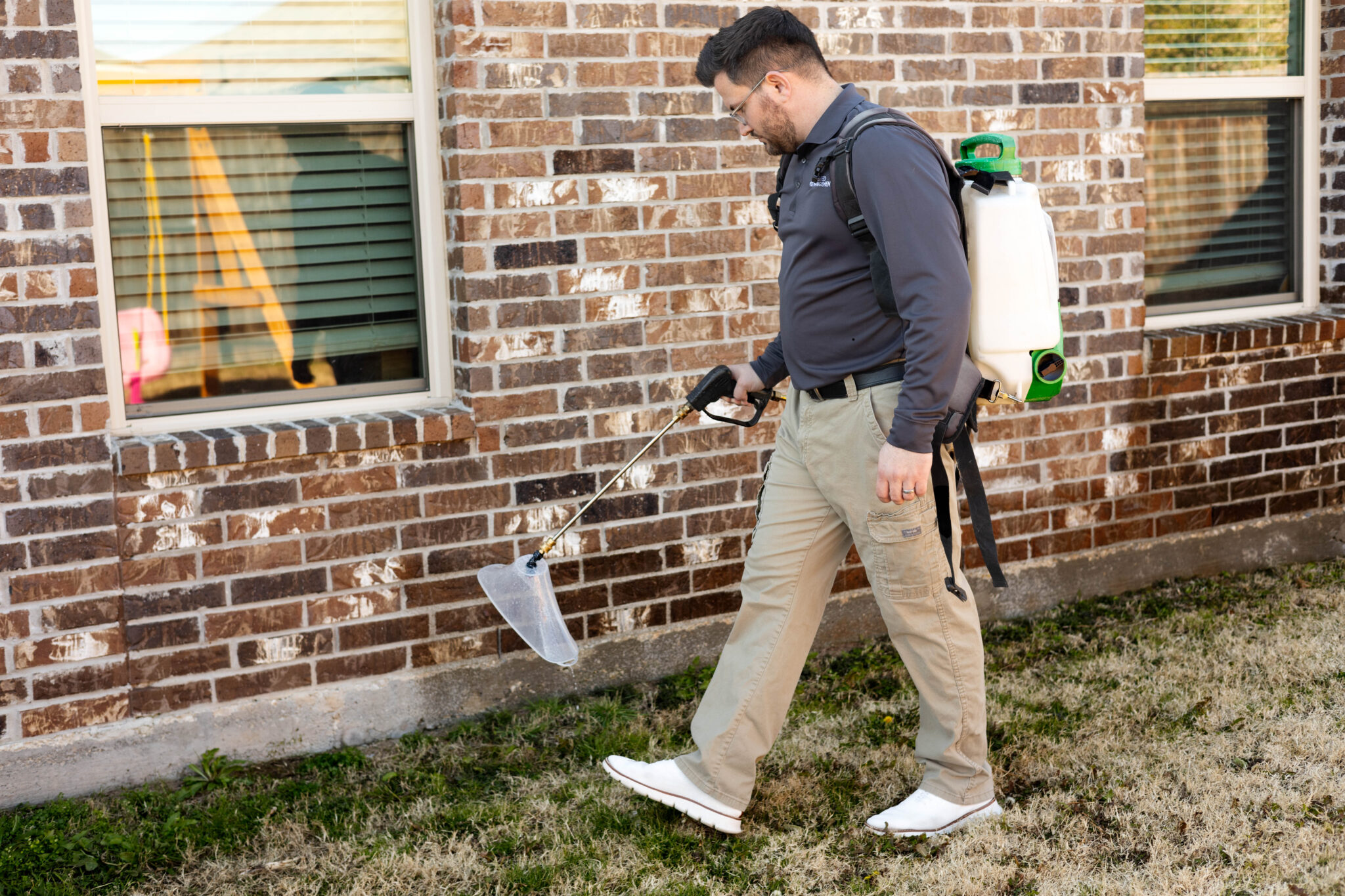
Kitchens and storage
Grease, drains, deliveries, food storage, and waste handling need coordinated attention.
A restaurant kitchen, warehouse dock, and office break room need different plans. Start with how the facility operates and where the activity occurs.
Preferred Pest Management builds commercial pest recommendations around facility type, pest evidence, access, operating hours, sanitation, monitoring, and documentation needs. Specialty infestations receive their own defined scope.
Property-specific recommendations. Clear service scope and pricing before you approve work.
 Understand operations. Plan prevention.
Deliveries, stored products, waste handling, food areas, shared walls, and tenant access can change the pest pressure inside a facility. Tell us who reports activity, where it is found, and who approves service. We use those details to recommend an appropriate inspection and program.
Tell us what you’ve noticed ↗Grease, drains, deliveries, food storage, and waste handling need coordinated attention.
Break rooms, restrooms, utility rooms, and customer areas affect service access.
Overhead doors, loading areas, stored goods, and exterior routes can contribute to activity.
Tenant access, reporting, turnover, and shared spaces require clear coordination.
Commercial pest control can combine routine prevention and targeted response. Your proposal identifies the actual pests, areas, visits, and reporting.
Review pest evidence, facility conditions, access, and appropriate monitoring locations.
Explore facility planning ↗Recommend targeted treatment, exterior prevention, sanitation corrections, and relevant exclusion work.
See how the program starts ↗German cockroaches, bed bugs, termites, and active rodent concerns may require separate programs and preparation.
Compare specialty services ↗The right schedule and scope begin with a conversation about the facility. Pest service can support your operations; it does not substitute for repairs, sanitation, or regulatory responsibilities.
Discuss storage, drains, grease, deliveries, waste areas, operating hours, and food-handling requirements. Treatment and preparation must fit the site.
Identify docks, exterior openings, inventory access, employee spaces, and who can provide entry. We discuss monitoring and practical prevention needs.
Explain the service records and reporting you need before the program is agreed. We define pest-sighting communication, responsible contacts, and follow-up.
Share the facility type, location of activity, operating hours, and access requirements. Let us know who approves service and what documentation the property needs.
Request a commercial pest inspection for your North Texas facility. Our team will contact you to discuss the details.
By submitting, you’re asking Preferred Pest Management to contact you about this service request. Submission does not book an appointment.
The recommendation follows the evidence and the property. Here is how we work through it with you.
Discuss facility type, pest reports, hours, access, sensitive areas, and decision makers.
Review accessible activity, contributing conditions, entry routes, and monitoring needs.
Define pests, areas, frequency, preparation, documentation, specialty work, and pricing.
Complete agreed visits, communicate findings, and discuss adjustments when conditions change.
Commercial pricing depends on facility size and use, pest pressure, visit frequency, access, operating schedule, monitoring, and reporting. Routine prevention and an active specialty infestation require different scopes. A residential plan price should not be applied to a restaurant, warehouse, or multi-tenant property without an assessment.
Request my property quote ↗Company-wide Google reviews cover different services across North Texas. They are not limited to commercial pest control customers.
Explore the dedicated commercial pest control pages for these communities. Contact us about availability elsewhere in our North Texas service area.
We’re a locally and family-owned North Texas business serving our communities since 2020. We explain what we find, what the recommended service includes, and how to prepare for it.
Tell us about the building, previous service, and any access or scheduling needs. Your property details help us recommend an appropriate starting point.
Direct answers about service, preparation, pricing, and follow-up.
We discuss programs for restaurants, offices, retail properties, warehouses, churches, multifamily communities, hospitality properties, and other facilities. The recommended scope depends on the building and pest concerns.
Frequency depends on facility use, pest pressure, conditions, and the selected agreement. A food-service site and a small office may require different schedules; an inspection helps establish the program.
Tell us the operating schedule, access needs, and sensitive areas. We discuss availability and suitable service timing before the agreement is finalized rather than assuming every time is available.
Those concerns may require specialty programs, preparation, monitoring, or exclusion beyond routine prevention. Your proposal explains the included pests and separate work.
Discuss the records and reporting your facility requires during planning. The agreement should define what is provided; pest service does not automatically certify compliance with a particular audit or regulation.
We can assess a specialty bed bug program with room or unit access, preparation, coordination, and follow-up. It is separate from ordinary routine pest prevention unless explicitly included.
Pricing reflects facility size and use, pressure, visit frequency, hours, access, monitoring, and reporting. We evaluate those requirements before recommending the scope and price.
Designate a responsible contact and discuss how sightings should be reported. Useful information includes the pest, exact area, time, photos when practical, and any changes in the facility.
Plan targeted indoor roach service
Explore cockroach control ↗Address current rodent activity
Explore rat removal ↗Coordinate a specialty room or unit program
Explore bed bug treatment ↗Compare specialty and routine pest-control needs.
Learn more ↗Watch explanations from the Preferred Pest team.
Learn more ↗Share access, schedule, and documentation needs.
Learn more ↗Use these local service pages and practical guides to compare your options and prepare useful questions for our team.
Describe your commercial pest control concern. We’ll help you move forward.