North Texas Seasonal Pest Calendar
What Pests Are Active Throughout the Year?
North Texas homeowners deal with pest activity every month of the year. While some insects become more noticeable during the warmer months, many pests remain active regardless of the season. Ants, rodents, cockroaches, spiders, mosquitoes, wasps, and other common pests all respond differently to changing temperatures, rainfall, humidity, and food availability.
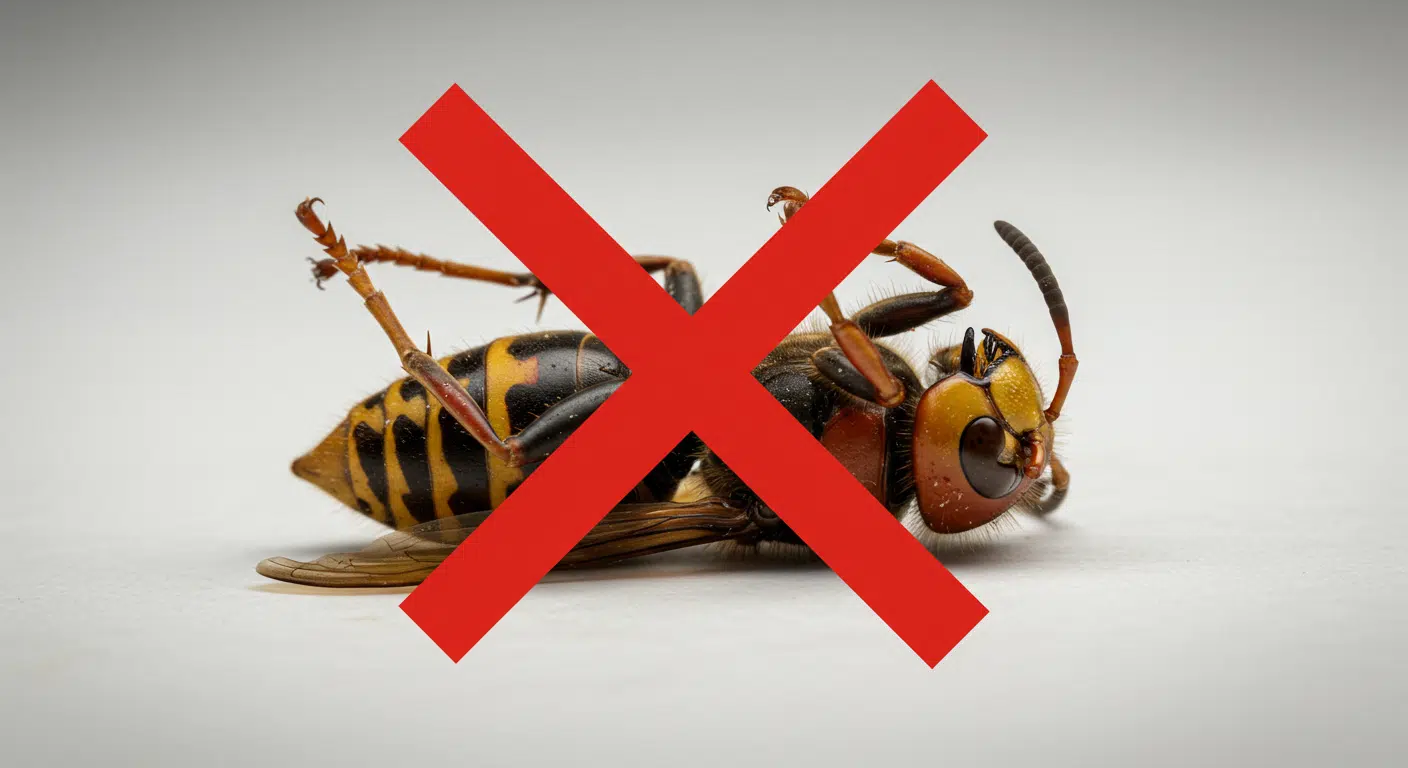
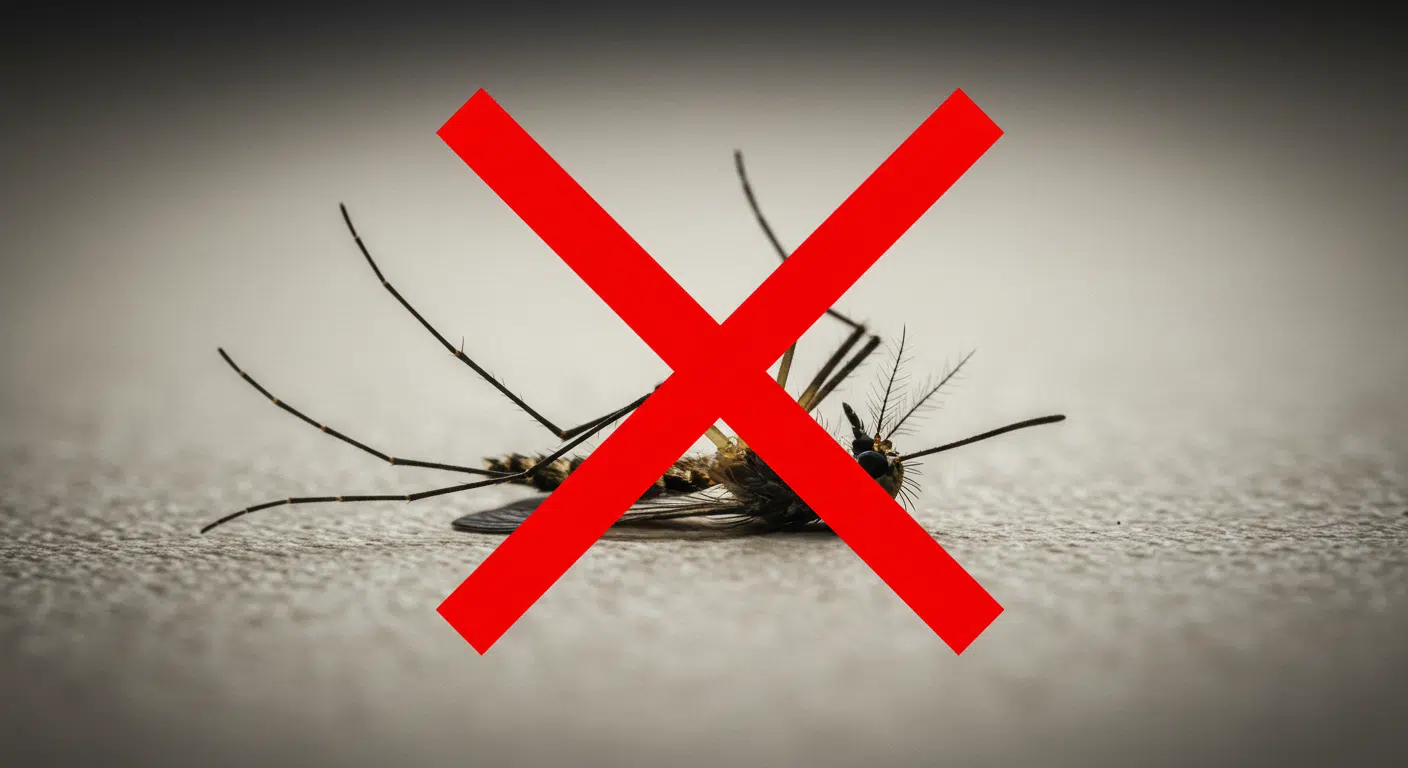
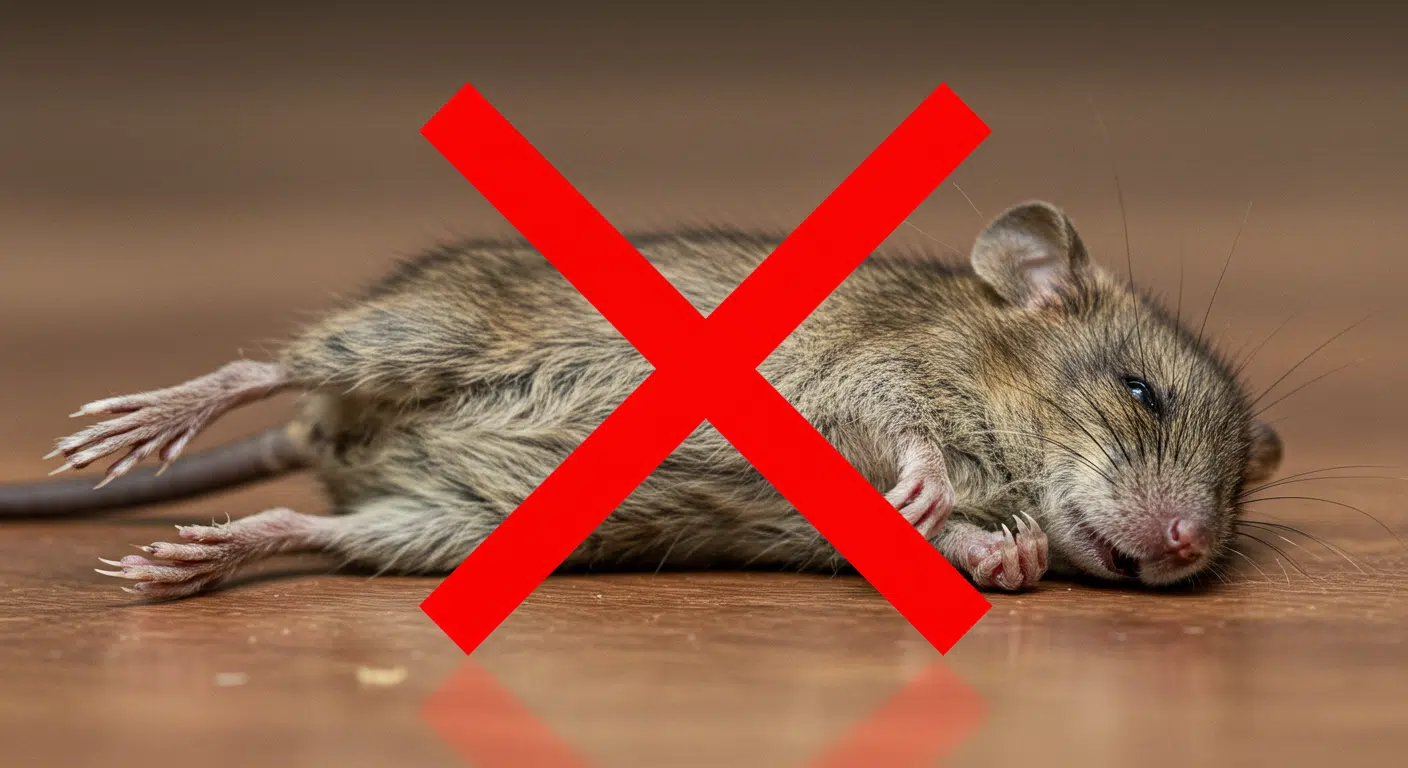
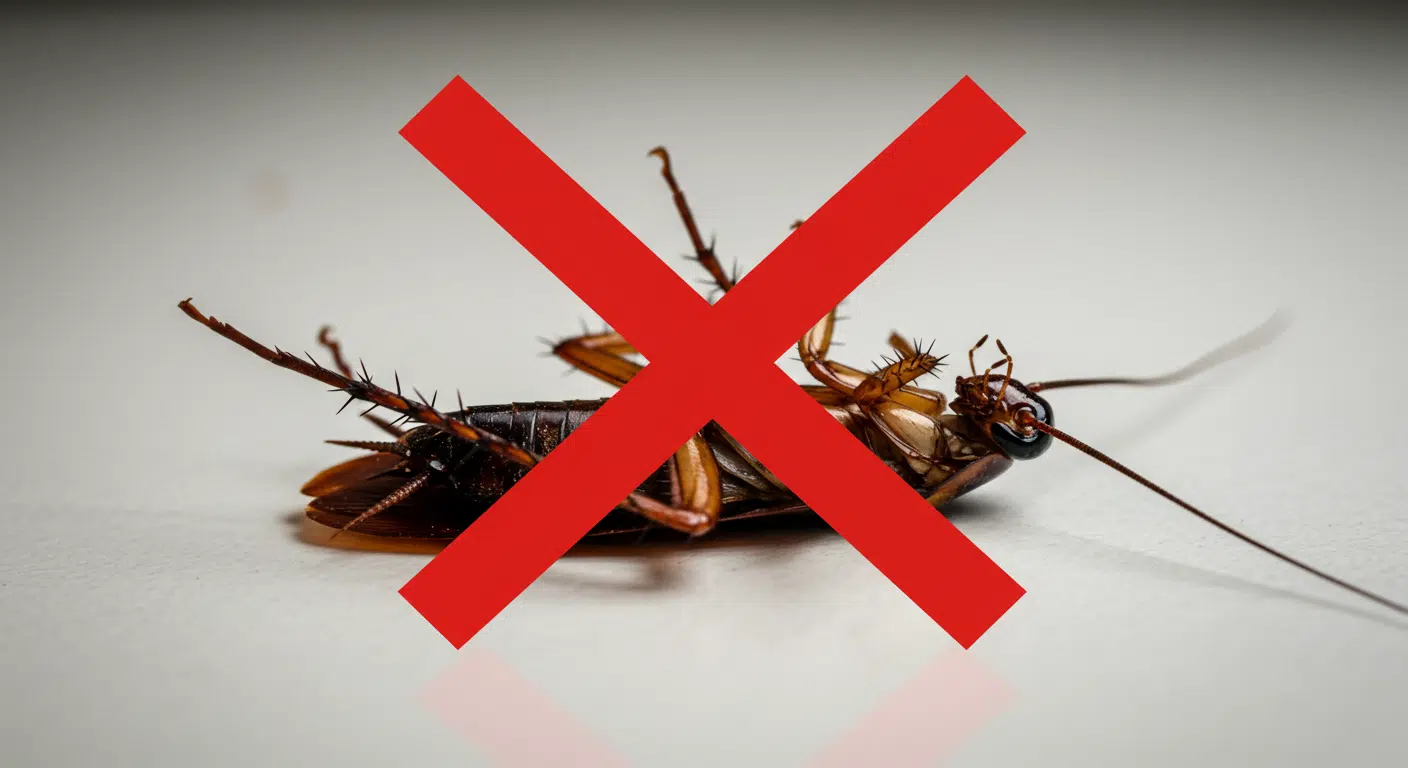
For homeowners in Plano, Murphy, Richardson, Sachse, Rowlett, and surrounding communities, understanding these seasonal patterns can help prevent small pest problems from becoming larger infestations. Knowing what to expect throughout the year also makes it easier to identify unusual pest activity and determine when professional treatment may be appropriate.
This seasonal calendar provides a general overview of pest activity in North Texas. Actual conditions may vary depending on neighborhood characteristics, weather patterns, nearby greenbelts, mature landscaping, lakes, and the age and construction of your home.
Why Pest Activity Changes Throughout the Year in North Texas
Unlike many northern states, North Texas experiences relatively mild winters, long hot summers, and frequent weather swings. These conditions allow many pests to remain active much longer than homeowners expect.
Several factors influence pest activity throughout the year:
- Spring rains create ideal breeding conditions for mosquitoes and increase ant activity.
- Summer heat often drives insects and rodents indoors in search of cooler temperatures and moisture.
- Fall brings increased rodent movement as temperatures begin to cool.
- Winter slows some insect activity but does not eliminate pests from homes and businesses.
Local environmental factors also play a role. Homes near wooded areas, creeks, parks, golf courses, and Lake Ray Hubbard often experience different pest pressures than homes in newer developments or established urban neighborhoods.

Spring Pest Activity (March – May)
Spring marks the beginning of the busiest pest season in North Texas. Rising temperatures and increased rainfall encourage insects to leave overwintering sites and begin reproducing.
Common Spring Pests
Ants
As colonies become active after winter, homeowners often notice long trails of ants around kitchens, bathrooms, patios, and foundations. Heavy spring rains frequently push colonies indoors.
Termites
Spring is termite swarming season. Winged termites leave established colonies to start new ones, making this one of the most important times of year for inspections.
Mosquitoes
Standing water left by spring storms creates ideal breeding conditions. Bird baths, clogged gutters, flower pots, and low spots in yards can quickly become mosquito habitats.
Wasps
Queens begin building new nests under eaves, porch ceilings, sheds, fences, and play equipment.
Spiders
As insect populations increase, spider activity also becomes more noticeable both indoors and outdoors.
Spring Homeowner Checklist
- Inspect the home’s exterior for foundation gaps.
- Remove standing water after storms.
- Clean gutters and downspouts.
- Trim shrubs away from exterior walls.
- Seal gaps around doors and windows.
Summer Pest Activity (June – August)
Summer brings intense heat across North Texas. While many homeowners assume insects thrive outdoors, extreme temperatures often force pests into cooler indoor environments.
Common Summer Pests
Fire Ants
Fire ant colonies expand rapidly during warm weather and become especially active after rainfall.
Mosquitoes
Mosquito populations typically peak during summer, particularly after periods of rain combined with high humidity.
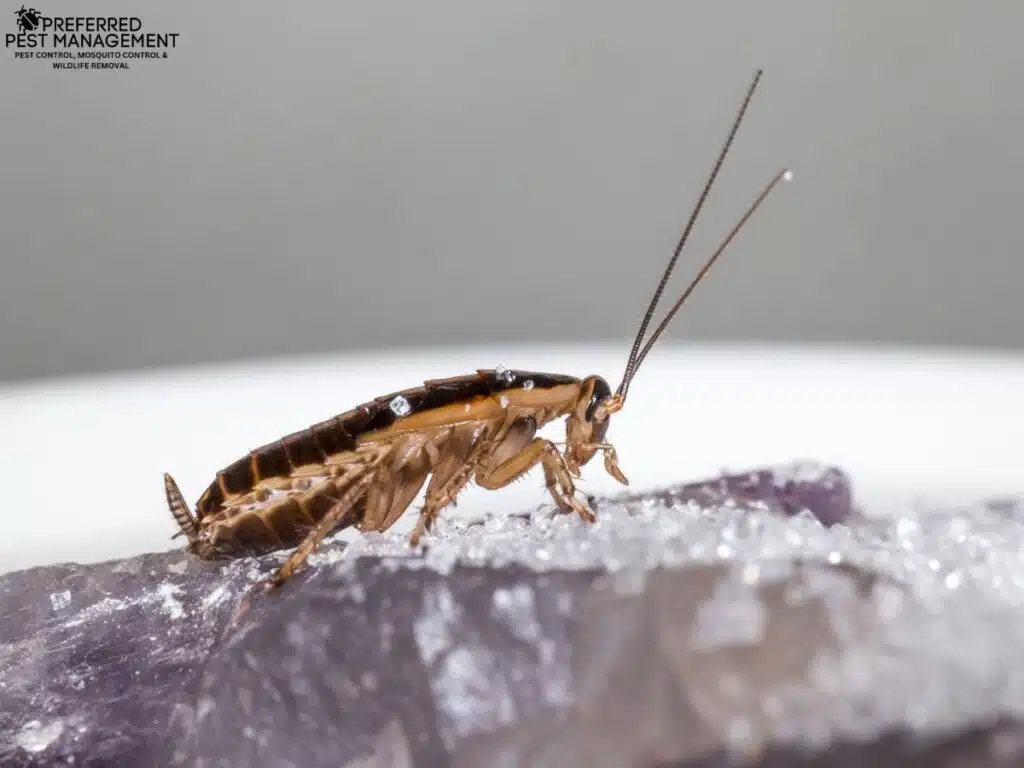
Cockroaches
Cockroaches search for moisture and cooler temperatures, making kitchens, bathrooms, garages, and utility rooms attractive hiding places.
Wasps
Wasp colonies reach their largest size during summer and become increasingly defensive around established nests.
Spiders
Spider activity remains high because insect populations provide abundant food sources.
Summer Homeowner Checklist
- Eliminate standing water weekly.
- Keep grass properly maintained.
- Store garbage in sealed containers.
- Inspect outdoor play areas for wasp nests.
- Keep tree limbs trimmed away from the roof.

Fall Pest Activity (September – November)
As temperatures begin to cool, many pests start looking for protected places to spend the winter. This often leads directly into homes.
Common Fall Pests
Rodents
Mice and rats begin searching for food, warmth, and shelter. Small openings around garages, utility lines, rooflines, and foundations become common entry points. For homes around Lake Ray Hubbard, our Rockwall rat removal service covers removal and sealing.
Spiders
Many spider species become more visible during the fall as they search for mates and food.
Cockroaches
Outdoor populations frequently migrate indoors as nighttime temperatures begin dropping.
Crickets
Crickets often gather around foundations and exterior lighting before moving indoors.
Silverfish
Silverfish remain active inside homes throughout the year but become more noticeable as humidity changes.
Fall Homeowner Checklist
- Seal foundation openings.
- Replace damaged weather stripping.
- Inspect attic vents.
- Store firewood away from the home.
- Remove leaf piles from around the foundation.

Winter Pest Activity (December – February)
Although insect activity slows outdoors, many pests remain active inside heated homes throughout winter.
Common Winter Pests
Rodents
Winter is one of the busiest seasons for rodent infestations because homes provide warmth, water, and food.
Cockroaches
German cockroaches and other indoor species continue reproducing throughout the winter.
Spiders
Many common household spiders remain active inside climate-controlled homes.
Pantry Pests
Stored food pests such as flour beetles and Indian meal moths remain active regardless of outdoor temperatures.
Winter Homeowner Checklist
- Inspect garages and attics regularly.
- Store pantry items in airtight containers.
- Repair damaged door sweeps.
- Monitor for rodent droppings.
- Schedule preventative pest inspections before spring activity begins.
Month-by-Month Pest Calendar
| Month | Common Pest Activity |
|---|---|
| January | Rodents, cockroaches, spiders, pantry pests |
| February | Rodents remain active, early ants during warm periods |
| March | Ants, termites, mosquitoes begin increasing |
| April | Peak termite swarms, ants, wasps, mosquitoes |
| May | Heavy mosquito activity, spiders, fire ants |
| June | Fire ants, mosquitoes, cockroaches, wasps |
| July | Peak summer pest activity across most species |
| August | Heat drives insects indoors |
| September | Rodents begin moving inside |
| October | Rodent activity increases significantly |
| November | Indoor pest pressure continues growing |
| December | Rodents, spiders, cockroaches remain active indoors |
Weather Events That Increase Pest Activity
Certain weather conditions can quickly change pest activity across North Texas.
Heavy Rainfall often increases mosquito populations and pushes ants indoors.
Extended Drought forces insects and rodents to search for water around homes.
Cold Fronts encourage rodents, spiders, and cockroaches to seek shelter indoors.
High Humidity supports mosquito breeding while creating favorable conditions for many insects.
Strong Winds may damage nests or force insects into protected areas around homes.
Year-Round Pest Prevention Tips
Consistent maintenance is one of the most effective ways to reduce pest activity.
- Seal cracks around foundations and utility penetrations.
- Repair damaged screens and weather stripping.
- Keep gutters clean and draining properly.
- Eliminate standing water whenever possible.
- Store food in sealed containers.
- Trim vegetation away from exterior walls.
- Keep mulch several inches away from the foundation.
- Schedule routine pest inspections and preventative treatments throughout the year.
Seasonal Pest Activity Across North Texas
Whether you live in Plano, Murphy, Richardson, Sachse, Rowlett, or another nearby North Texas community, seasonal pest activity follows many of the same general patterns. However, homes near creeks, greenbelts, wooded areas, parks, and Lake Ray Hubbard may experience higher mosquito populations, increased rodent activity, or greater wildlife pressure than homes in more densely developed neighborhoods.
Understanding these seasonal trends allows homeowners to address potential problems before they become larger infestations.
Don't Take Our Word For It. Read What Over 140 Happy Customers Say About Our Service
EXCELLENT
Frequently Asked Questions
What time of year are termites most active in North Texas?
Most termite swarms occur during the spring, particularly after warm rains. However, termites remain active throughout the year inside established colonies.
When do rodents usually enter homes?
Rodent activity typically increases during the fall as outdoor temperatures begin to cool, although mice and rats can enter homes during any season.
Are mosquitoes active all year?
Mosquito activity slows during colder weather but increases rapidly during spring and summer as temperatures rise and standing water becomes available.
Why do ants suddenly appear after rain?
Heavy rainfall can flood underground colonies, forcing ants to relocate and often leading them into nearby homes.
Is quarterly pest control effective year-round?
Routine preventative treatments help address changing pest pressures throughout the seasons and may reduce the likelihood of infestations developing before they become more difficult to manage.