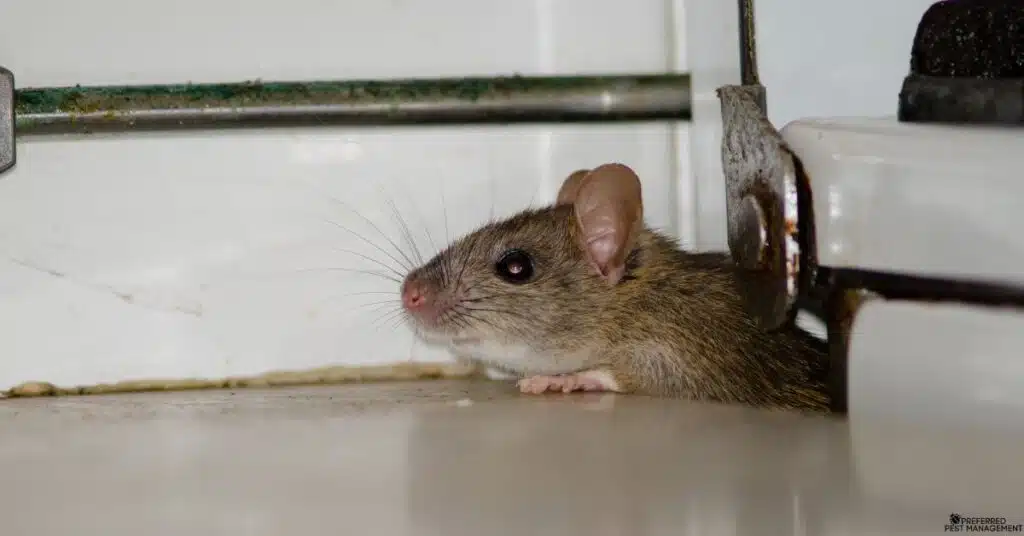
Understanding how rodents spreading diseases can affect your everyday environment is more important than ever. Whether you are a homeowner or running a business, rats and mice pose risks that are both immediate and long term. Below, you will find a clear, research-based view of the diseases rodents carry, the ways they infect people, and the practical steps you can take to safeguard your health and property.
Understanding rodents spreading diseases
Rodents such as rats, mice, and chipmunks can spread a wide range of diseases, primarily through direct contact with their droppings, urine, and saliva, or indirectly through parasites like ticks and fleas. According to the Centers for Disease Control and Prevention (CDC), you can become infected by simply breathing in air contaminated by rodent waste or by eating food that has come into contact with rodent droppings. Because many rodent-borne diseases do not cause visible illness in the rodents themselves, it can be hard to pinpoint infected animals by sight alone.
Rodents are extremely adaptable. They thrive in both rural and urban locations, often finding shelter and food in or around homes and commercial properties. Over time, synanthropic rodent species like black rats (Rattus rattus), Norway rats (Rattus norvegicus), and house mice (Mus musculus) have formed closer relationships with humans and our built environments (PMC – NIH). This proximity explains why preventive measures remain essential in reducing your risk of infection.
Key diseases spread directly by rodents
Diseases transmitted directly by rodents can range from relatively rare hemorrhagic fevers to more common bacterial and viral infections. Staying aware of these illnesses helps you identify potential threats and take early action.
Bacterial infections
- Leptospirosis: Spread when rodent urine enters water or soil. People who come into contact with the contaminated material can develop symptoms like high fever, chills, and muscle aches.
- Plague: Historically a major killer, plague is still present in some regions. It is often spread by flea bites (fleas that have fed on infected rodents), but direct contact with rodent tissues can also transmit the bacterium.
Viral infections
Some of the most severe rodent-borne diseases today are viral in nature. A few notable viruses include:
- Argentine hemorrhagic fever, Bolivian hemorrhagic fever, Chapare hemorrhagic fever, Sabiá-associated hemorrhagic fever, and Venezuelan hemorrhagic fever (CDC)
- Various arenaviruses that can cause respiratory or neurologic symptoms
These infections typically spread when you inhale dust contaminated with dried rodent excreta or come into direct contact with an infected rodent’s saliva.
How rodents contribute to indirect diseases
It is easy to focus on the direct forms of disease transmission, but rodents also spread infections indirectly. Fleas, ticks, mites, and mosquitoes can pick up pathogens after feeding on infected rodents, then transmit them to you or your pets. In many cases, you might be exposed without ever seeing a rodent. For instance, if a tick carrying rodent-borne bacteria lands on you, it can create an infection route even if rodents occupy a completely different part of your building.
Ticks, fleas, and mites
- Ticks: Rodent populations often sustain tick life cycles, leading to the spread of illnesses such as Lyme disease.
- Fleas: One flea bite can transfer diseases between rodents and humans.
- Mites: Mites feeding on infected mice can move to you or your pets, continuing the chain of transmission.
Environmental factors
Environmental and human actions, such as urbanization and climate shifts, contribute to rising rates of rodent-borne disease outbreaks (PMC – NIH). Warmer temperatures and altered weather patterns can drive rodents to seek shelter and food inside homes and businesses. As a result, preventing an infestation can be more challenging, but it becomes even more vital to reduce disease risk.
The hidden challenges of rodent infestations
When rodents nest quietly in attics, basements, or behind walls, it is easy to assume they are a minor annoyance. In reality, rodents can cause a long list of health complications and lead to considerable property damage.
Impact on your health
Rodent droppings and urine can contaminate the air you breathe, especially when disturbed dust particles carry infections around enclosed spaces. This contamination leads to issues like hantavirus infections, which can be life-threatening (CDC). By allowing infestations to persist, you are effectively increasing your contact points with disease-causing organisms. Visit rodent health risks for a closer look at how rodents endanger human well-being.
Impact on your property
From structural damage to contaminated insulation, rodents can have a costly impact on buildings. For instance, Norway rats will gnaw through drywall, wiring, and even wooden beams to create tunnels for nesting. This weakened structural integrity can lead to expensive repairs and potentially unsafe living or working conditions. You can explore more about these hazards at rodent property damage.
Notable rodent-borne viruses around the world
Many rodent-borne viruses represent significant public health threats globally. Here are three of the most recognized:
Hantaviruses
Hantaviruses can cause hemorrhagic fever with renal syndrome (HFRS) in parts of Europe and Asia, and hantavirus pulmonary syndrome (HPS) in the Americas. According to the CDC, these viruses typically spread through exposure to rodent droppings, urine, or saliva. While rodent bites are rare, they can also lead to infection. In the United States, deer mice are a main carrier of these viruses, and those infected experience a nearly 38 percent mortality rate once symptoms set in (CDC).
Rat hepatitis E virus (rat HEV)
Rat hepatitis E virus (rat HEV) was first identified in wild rats in Germany in 2010 and has since been found to infect humans in multiple countries. The first confirmed human case occurred in Hong Kong in 2018. Cases have also been recorded in Canada, Spain, and France (PMC – NIH). Because infections in humans are relatively new, there is ongoing research into how widely it may spread and what long-term health risks it poses.
Lymphocytic choriomeningitis virus (LCMV)
LCMV is an arenavirus transmitted primarily by house mice. Although less common than hantavirus, LCMV has caused outbreaks linked to pet breeding facilities and exposure to pet rodents. A 2012 outbreak in Indiana revealed that up to 47 percent of breeding-facility workers tested positive for LCMV. During a 2020-2021 mouse population surge in Australia, LCMV infections made headlines again, underscoring why you should take rodent infestations seriously.
Prevention and control steps
Reducing your exposure to rodents spreading diseases begins with a strong prevention plan. The following steps help you address rodent access points and reduce the likelihood of infestation.
Seal access points
Inspect the perimeter of your home or business for cracks, holes, gaps around doors, windows, and utility lines. Rodents can squeeze through openings as small as a quarter of an inch. Use steel wool or concrete to fill these gaps. Focus on:
- Weatherstripping exterior doors
- Checking for gaps around pipes under sinks and behind appliances
- Repairing or replacing damaged screens
Eliminating these entry points is essential to keep rodents out and reduce their potential breeding sites.
Safe cleaning and disposal
If you suspect or confirm rodent activity, take extra precautions when cleaning. Stirring up dust can aerosolize waste particles, allowing infections to spread. Methods to minimize risk include:
- Ventilate the area for at least 30 minutes by opening windows.
- Wear gloves and a mask or respirator when cleaning up droppings.
- Use a bleach solution (one part bleach to 10 parts water) to soak droppings and nests before wiping them.
- Double-bag contaminated materials and dispose of them in a covered trash bin.
Make sure you wash your hands thoroughly with soap and warm water after handling any potentially contaminated materials. You can find more comprehensive prevention details at rodent infestation dangers.
Why professional pest control matters
A single overlooked nest can reinstate a rodent population quickly. Trained pest control specialists know how to:
- Evaluate your property for signs of hidden infestations
- Identify entry points you may miss
- Apply safe and effective baiting or trapping methods
- Provide ongoing inspections and maintenance
Professional help can be particularly important for businesses, since even a short-term rodent presence can damage your reputation and lead to revenue losses.
When to seek medical attention
Recognizing early symptoms of rodent-borne illness is crucial for timely treatment and better outcomes. You should see a healthcare provider if you experience:
- Sudden high fever and chills
- Severe muscle aches
- Difficulty breathing or persistent cough
- Abdominal pain, nausea, or vomiting
- Unusual sensitivity to light, stiff neck, or headache combined with fever
These symptoms can point to infections like hantavirus or LCMV. Though there is no specific cure for many rodent-borne viruses, immediate medical care and supportive treatment (which can include respiratory assistance or dialysis) often improve recovery rates (CDC).
Protecting yourself from rodents spreading diseases
Staying on top of rodent control means protecting your health, your family, and your community. Here are key preventive measures worth adopting:
- Keep food in sealed containers. This reduces the chance that rodents will enter for an easy meal.
- Clear clutter in storage areas like basements, attics, and garages. Rodents prefer dark, undisturbed areas to nest.
- Regularly inspect behind appliances and under sinks for rodent droppings or signs of chewing.
- Repair water leaks indoors and outdoors to limit rodent water sources.
- Store firewood away from exterior walls. Piles of wood can offer ideal nesting spots.
Additionally, do not forget to coordinate with neighbors when possible. Rodent problems often spread from property to property if underlying issues persist. A cohesive approach in your neighborhood or commercial district makes it harder for rodents to find new places to nest.
Taking action against rodent-borne illnesses
By focusing on prevention, you can significantly reduce the likelihood that rodents spreading diseases will affect your household or business. Simple measures like sealing entry points, managing waste properly, and staying alert to early signs of infestation go a long way toward protecting your health. In more severe cases, professional pest control is worth the investment, preventing further damage and eliminating hidden colonies.
It is also important to remember that rodent-borne diseases can appear when they are least expected. Keeping an eye on current health advisories from reputable sources like the CDC and your local public health department helps you adapt your strategies as new information emerges. To learn more about how infections can spread and what steps you can take to protect yourself, visit rodent-borne illnesses.
Conclusion and next steps
Rodents remain a major source of infectious disease worldwide due to their adaptability, hidden nesting habits, and capacity to carry numerous pathogens. By following practical steps such as sealing access points, disposing of waste safely, and watching for early signs of contamination, you reduce the odds of an infestation and break the cycle of infection. When in doubt, professional pest control services offer an extra layer of protection for your home or business.
Now is the time to check for potential rodent entryways in your building, declutter any storage areas, and keep an eye out for new droppings. Simple actions like these can make a substantial difference in lowering your risk of rodent-borne infections. Your vigilance is the first line of defense against illnesses that may start with just a few rodents hidden out of sight. By acting now, you can keep your environment healthier and safer for everyone.
