
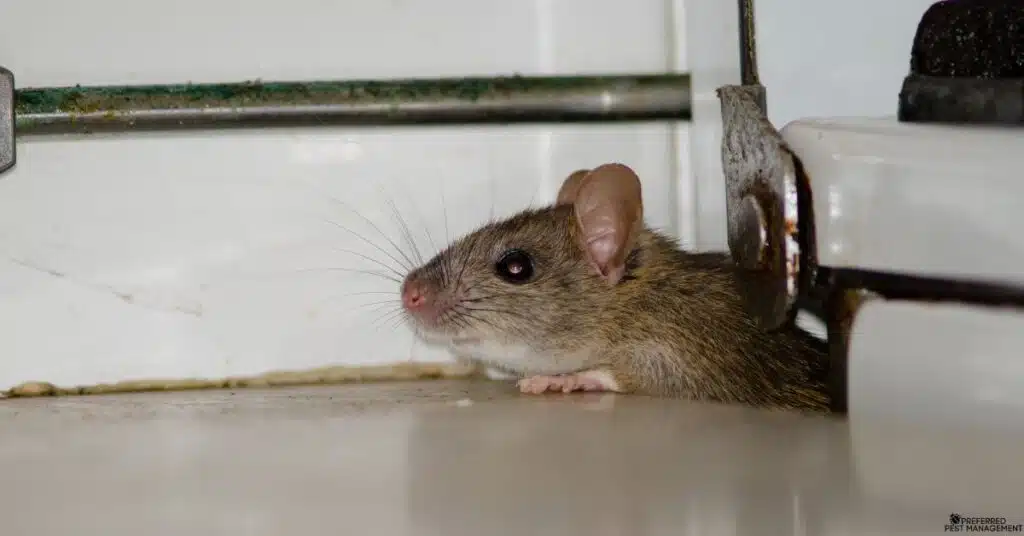
Rodent infestation dangers can quickly turn your daily routine upside down, affecting everything from health to property value. Whether you own a home or a business, rodents such as rats and mice pose risks that extend far beyond annoying squeaks or chewed wires. By learning how rodents spread harmful diseases and cause structural trouble, you can take proactive steps to protect both your space and your loved ones.
Understand rodent infestation dangers
Rodents are notorious for carrying diseases that can pass directly to humans through droppings, urine, or saliva. According to the CDC, rats and mice can also infect you indirectly by bringing ticks or fleas into your home (CDC). Moreover, the particles in rodent waste can become airborne. Breathing contaminated air may lead to respiratory illnesses such as hantavirus, especially if you unknowingly disturb nesting areas.
Rodent-borne illnesses can appear suddenly, and rodents do not always show visible signs of infection. That means even a seemingly healthy mouse or rat could carry pathogens you do not want around. If you feel uncertain about how these diseases spread, consider checking out rodents spreading diseases to learn more about the impact on human health. By educating yourself and acting fast, you help maintain a safer environment for everyone under your roof.
How rodents harm your peace of mind
Even if you have never seen a rodent in person, the mere suspicion that one might be lurking in the walls can be unsettling. Small, unfamiliar noises at night can keep you awake, and the stress of finding droppings in rarely visited spaces can undermine your day-to-day productivity. When these pests invade a business property, employees might become anxious, and customers could doubt the hygiene standards you have worked so hard to establish. Understanding these intangible effects of rodent infestation dangers helps you stay alert before small issues become big crises.
Identify early infestation signs
Catching an infestation early saves you from a cascade of problems. Droppings, especially those discovered in cabinets, drawers, or near food sources, are among the most common indicators that rodents are moving in (CDC). You might also spot gnaw marks on wood, plastic, or wiring. These markings confirm the presence of rodents looking to file down their continuously growing incisors.
An unpleasant or musty odor often surfaces when colonies grow larger. If you detect scratching noises in the walls or ceilings, rodents are probably trying to settle into new hiding spots. Faint tracks in dusty corners can also be a giveaway. The sooner you confirm these signs, the easier it becomes to prevent the rodents from multiplying or moving into other areas of your property.
Likely hiding spots
Rats and mice gravitate toward safe, dark spaces. You may find them behind appliances, inside cupboards, or around storage boxes stacked in garage corners. In older homes or structures with multiple nooks, rodents can slip beneath floorboards or behind wall insulation, staying hidden as they build nests. Keep in mind that a typical mouse can squeeze through gaps the width of a dime. Looking for small cracks near pipes, vents, and door frames is an essential step if you suspect an infestation. Sealing these entry points early helps you avoid greater problems down the road.
Protect your health proactively
Rodent infestation dangers become much more serious when you learn that these pests transmit diseases you can contract without direct contact. For instance, deer mice commonly carry hantavirus, which affects the lungs and can become life-threatening if not addressed in time (WebMD). Other diseases such as leptospirosis, salmonella, and rat-bite fever also tie back to either direct or indirect rodent contact. You might wonder how to minimize these rodent-borne illnesses and maintain a cleaner home or workplace.
Common diseases to watch for
- Hantavirus pulmonary syndrome: Often spread by inhaling contaminated air from droppings and urine.
- Leptospirosis: A bacterial disease transmitted through water or food contaminated by infected urine.
- Salmonella: Contamination of food sources is the primary concern, leading to severe gastrointestinal infection.
- Lymphocytic choriomeningitis: Caused by certain mice, leading to neurological symptoms in humans.
Keeping your space well ventilated, washing hands thoroughly, and disposing of droppings carefully can significantly reduce the risk of infection. Additionally, using specialized disinfectants after any rodent cleanup lowers the chance of airborne disease particles spreading to family members or employees.
Prevent property damage effectively
Beyond health issues, the devastation rodents bring to a building can be just as daunting. Mice and rats gnaw constantly to keep their teeth from overgrowing. They may chew through insulation in walls, leading to drafts, higher energy bills, and even mold growth if moisture seeps in (Better Call Bug Tech). By creating openings in your property’s defenses, rodents increase your long-term maintenance costs and reduce its overall safety.
The threat of fires is another real concern. Rodents actively chew on electrical wires, causing short circuits and potential sparks. In fact, around 20% of undetermined house fires in the United States are suspected to come from faulty wiring likely damaged by rodents (Blue Sky Pest Control). If you see frayed wires or other suspicious damage in your attic, basement, or any less-frequented area, you should take action right away to avoid a looming hazard.
Structural destruction and how it happens
- Insulation riddled with burrows: Allows heat to escape and drives up energy expenses.
- Plumbing leaks: Gnawing on plastic pipes can cause hidden leaks, promoting mold growth and weakening building frameworks.
- Chewed flooring or ceilings: In some cases, rodents burrow through wood surfaces, creating soft spots or holes.
- Damaged furniture: Upholstery or wooden edges may be shredded for nesting materials, diminishing your home’s aesthetic.
If you experience these types of damage, it may be time to look into rodent property damage for information on how to manage the repairs safely and effectively.
See how rodents disrupt daily life
The daily impact of rodents extends beyond the occasional squeak or scuttling noise. You might find yourself wiping surfaces more often, discarding contaminated food, or dealing with unexpected repairs at home. Business owners face even more complex challenges. For instance, a single rodent sighting in a restaurant or retail store can harm your reputation and deter customers from returning.
Impact on finances and routine
- Food waste: Restaurants and food processing facilities can lose inventory quickly if rodents chew through packaging (IFSQN).
- Lost work time: Employees distracted by rodent sightings may find it difficult to focus or might need to halt operations to handle a cleanup.
- Customer perception: Public knowledge of an infestation can lower confidence and reduce foot traffic in shops or offices.
- Personal stress: Having to rearrange your day to clean, plug holes, or contact pest control disrupts your normal schedule.
If you notice any of these disruptions, you are not alone. Many people underestimate just how powerful a single rodent can be until they see the aftermath. By acting swiftly, you can protect your peace of mind.
Adopt prevention strategies now
Rodent infestation dangers can be managed when you take a few proactive steps. Preventing access to food, water, and shelter is your first line of defense. Always store pantry items in sealed containers. Take the time to tidy up old boxes, newspapers, or clothing that rodents can shred for nesting. These small actions can stop a small rodent problem from ballooning into a serious outbreak.
Seal off entry points
Rodents are experts at finding gaps in walls, doors, or window frames. Inspect baseboards, plumbing openings, and even vents for holes. A quick fix with steel wool or caulk helps close off these common entry sites. As soon as you seal up a gap, inspect the perimeter again for overlooked cracks. Routine checks in basements, garages, and attics can also spot new cracks before rodents discover them. If you are unsure where they might be creeping in, or if you need more professional insights, an Integrated Pest Management approach is recommended (IFSQN).
Opt for professional guidance
Sometimes a well-meaning do-it-yourself plan is not enough. If you consistently find droppings or damage, call a pest control specialist. They can identify the kind of rodent you are dealing with, assess how they entered your home or business, and implement specialized traps or treatments. You can also explore rodent health risks to learn more about the potential long-term damage if infestations are left unchecked.
Maintain a safe environment
Keeping rodents at bay requires vigilance, but it pays off in the long run. By setting up a routine for monitoring and cleaning, you can ensure your space remains hostile to invaders. If you ever see fresh droppings or signs of chewing, act quickly. The longer you wait, the more complicated and expensive the cleanup can become.
Simple steps to protect your space
- Check for new entry holes around pipes, vents, doors, and windows every few weeks.
- Keep kitchen areas spotless. Wipe countertops and store food in sealed containers.
- Remove clutter, such as stacked boxes or piles of paper, which rodents love for nesting.
- Inspect wiring, insulation, and hard-to-reach corners every couple of months for fresh gnaw marks.
- Coordinate with a local pest control service if you notice recurring issues or serious damage.
Quick recap and next move
- Recognize the early signs of unwanted visitors, such as droppings and gnaw marks.
- Address possible health threats by understanding rodent-borne illnesses and keeping your surroundings clean.
- Protect your property from structural hazards by sealing gaps, monitoring for water leaks, and checking wiring.
- Keep your daily life running smoothly by taking quick action when you spot rodent activity.
- Invest in prevention strategies like sealing off entry points and seeking professional help for large infestations.
Rodent infestation dangers can overshadow your daily routine, but they do not have to. With the right preventive measures and timely responses, you can shield your home or business from destructive pests. By staying alert, closing potential entryways, and tackling problems right away, you gain peace of mind, maintain a healthier environment, and ultimately safeguard your property’s long-term value.
