Rodent Exclusion and Home Sealing in Dallas-Fort Worth
Hearing scratching in the attic, finding droppings, or seeing gaps around your roofline, garage, or utility lines? Preferred Pest Management provides rodent exclusion services for homes across Dallas-Fort Worth.
Rodent exclusion focuses on finding and sealing approved, accessible entry points that rats and mice may use to enter a structure. We inspect the property, explain what we find, provide a written scope of work, and recommend the appropriate next steps for active rodent control, exclusion, or both.
Schedule Your Rodent Exclusion Inspection
What Is Rodent Exclusion?
Rodent exclusion is the process of sealing openings around a home that may allow rats or mice to enter attics, garages, wall voids, and living areas. It is different from trapping or rodent removal.
Rat removal addresses active rodents already using the property. Rodent exclusion helps reduce the opportunity for new rodents to enter through the same accessible gaps.
Depending on the inspection findings, your recommended plan may include trapping, monitoring, secured exterior control when appropriate, exclusion work, follow-up visits, or a combination of these services.
Signs Your Home May Need Rodent Exclusion
You may benefit from an exclusion inspection if you have noticed:
- Scratching, movement, or squeaking in the attic or walls
- Rodent droppings in the attic, garage, pantry, or storage areas
- Gnaw marks on wires, wood, stored items, or garage materials
- Damaged soffits, fascia, vents, screens, or roofline areas
- Gaps around utility lines, air-conditioning lines, pipes, or garage doors
- Disturbed insulation, nesting material, odors, or grease marks
- Repeated rodent activity after trapping or baiting
An inspection helps determine whether the evidence is related to rats, mice, squirrels, or another animal—and whether exclusion work is appropriate.
How Our Rodent Exclusion Process Works
1. Inspect Accessible Entry Areas
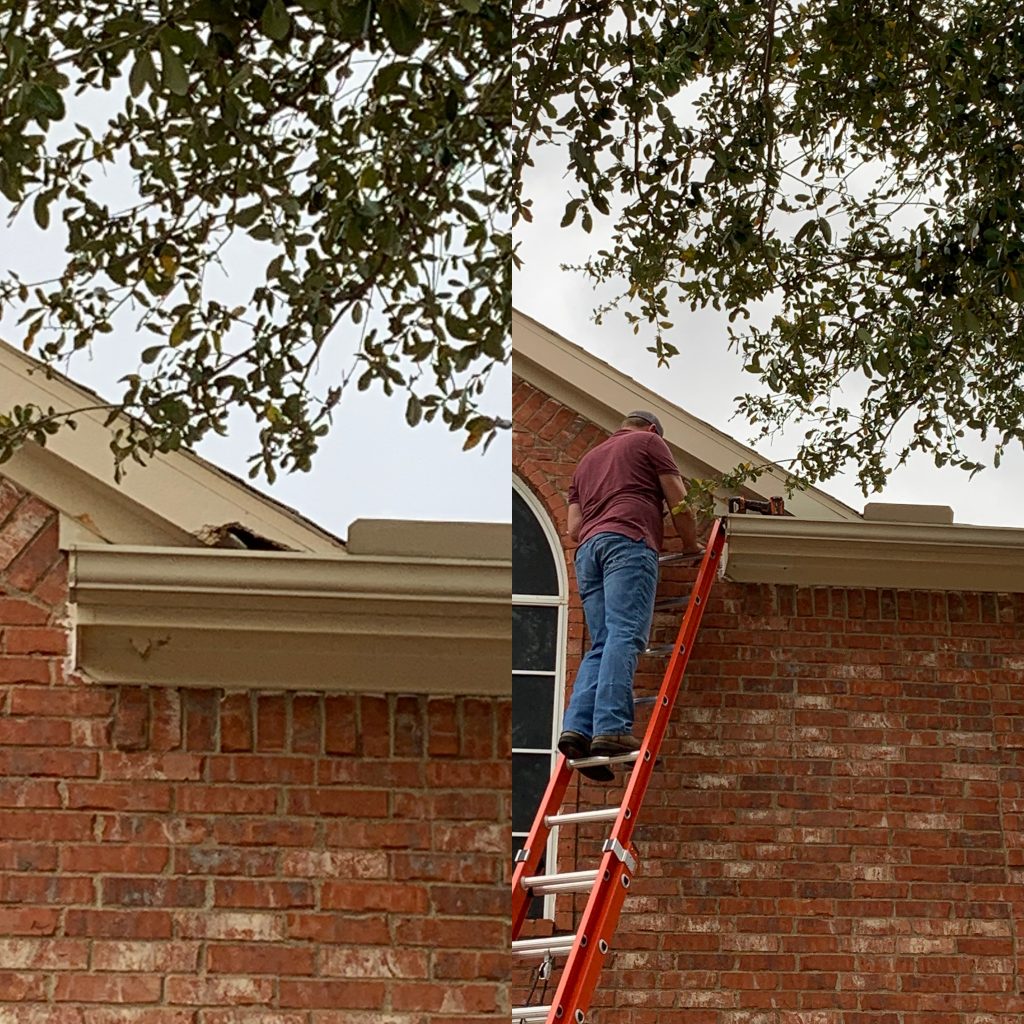
We inspect the accessible areas where rodents commonly enter or travel, including roof returns, soffits, fascia, vents, garage corners, utility penetrations, air-conditioning lines, foundation-level gaps, attic access areas, and other relevant locations.
We look for evidence of activity, damage, and openings that may be contributing to the problem.
2. Provide a Clear Scope and Recommendation
After the inspection, we explain what we found and provide a written recommendation for the approved exclusion work. The scope identifies the accessible openings to be addressed, the recommended materials, and any related services that may be needed.
Some openings may be inaccessible, unsafe to reach, structurally damaged, or outside the approved scope. When that happens, we will document the condition and explain whether a separate repair or another qualified contractor is needed.
3. Address Active Rodent Activity When Needed
Sealing a home is most effective when active rodents are addressed as part of the overall plan. Depending on the conditions found, this may include strategically placed traps, monitoring equipment, secured exterior stations when appropriate, and follow-up service.
professional rat removal and exterminator service
4. Seal Approved Accessible Entry Points
Our technicians use appropriate exclusion materials based on the opening and construction feature being addressed. Work may include sealing gaps, reinforcing vulnerable areas, installing rodent-resistant screening where appropriate, or improving protection around accessible penetrations and openings.
The goal is to reduce the accessible pathways rodents use—not to make vague promises that every possible opening on every structure can be sealed.
5. Review Follow-Up and Warranty Coverage
After exclusion work is completed, we will explain any recommended follow-up service, monitoring, customer prevention steps, and the written warranty terms that apply to qualifying work.
Common Areas Included in Rodent Exclusion Work
Every property is different, but exclusion recommendations may address areas such as:
- Roof returns, roofline gaps, soffits, and fascia
- Attic and roof vents
- Gaps around plumbing, electrical, cable, and HVAC penetrations
- Air-conditioning line openings
- Garage corners, garage-door seals, and exterior wall gaps
- Foundation-level construction gaps
- Accessible crawl-space vents and access openings
- Damaged screens or gaps around exterior utility areas
The exact work completed depends on the findings and the scope approved by the homeowner.
What Rodent Exclusion Does—and Does Not—Include
Rodent exclusion is an important long-term prevention service, but it is not automatically the same as trapping, attic cleanup, insulation replacement, or structural repair.
Your exclusion proposal may be separate from:
- Active rat or mouse removal
- Ongoing trapping or monitoring
- Attic sanitation and remediation
- Insulation removal or replacement
- Major roof, siding, fascia, or structural repairs
- Work in inaccessible or unsafe areas
- Repairs caused by future storm damage, construction, or property changes
We explain these boundaries before work begins so you understand exactly what is included.
Why Exclusion Matters After Rodent Removal
Trapping can remove rodents that are already inside the structure, but it does not stop new rodents from using the same openings. Exclusion addresses the access points that allow activity to continue.
A complete recommendation considers the active rodent problem, the accessible entry points, nearby attractants, and the conditions around the home. This gives you a clearer path toward reducing recurring rodent activity.
What Affects Rodent Exclusion Cost?
Rodent-exclusion pricing depends on the size and construction of the home, roof and attic access, the number and location of accessible entry points, the materials required, and whether active rodent control or attic remediation is also needed.
A small number of accessible openings may require less work than a complex roofline with multiple damaged areas, difficult access, or signs of ongoing activity. We inspect before providing final pricing so the recommendation reflects the actual property conditions.
Rodent Exclusion for Homes Across Dallas-Fort Worth
Preferred Pest Management provides rodent exclusion and home-sealing recommendations throughout Dallas-Fort Worth and surrounding North Texas communities.
For city-specific rat-removal information, visit:
Garland homeowners experiencing attic noises, droppings, gnaw damage, or other signs of rodents can learn more about our dedicated rat removal in Garland, TX service, including inspection, trapping, exclusion, and follow-up options.
Homes with active rodents may need trapping and monitoring coordinated with structural repairs. Learn how we approach rodent exclusion and rat removal in Sachse after inspecting the accessible entry points and evidence found at the property.
For homeowners with active rodent activity, visit our Plano rat removal and rodent control page to learn how trapping, monitoring, exclusion, and follow-up can work together.
Rodent Exclusion Resources
Understanding where rodents enter can help homeowners take practical prevention steps between professional visits.
common rodent-proofing mistakes homeowners should avoid
Keep tree branches trimmed away from rooflines, repair damaged garage seals, store pet food and bird seed in sealed containers, cover trash, reduce exterior clutter, and notify us if you notice new damage or openings after severe weather or construction work.
Frequently Asked Questions About Rodent Exclusion
Is rodent exclusion the same as rat removal?
No. Rat removal addresses active rodents already inside or around the property. Rodent exclusion focuses on sealing approved, accessible entry points to help reduce the chance of new rodents entering. Many properties benefit from both services.
Will you seal every possible opening on my home?
We seal the accessible entry points identified during the inspection and included in the approved scope of work. Some areas may be inaccessible, unsafe, structurally damaged, or require a different contractor. We explain those conditions rather than promising that every conceivable opening can be sealed.
Do I need trapping before exclusion work?
It depends on the activity found. If rodents are actively inside the structure, trapping, monitoring, or another control method may be recommended before or alongside exclusion work. Your technician will explain the appropriate sequence for your property.
How long does rodent exclusion take?
Timing depends on the property size, access, number of entry points, weather conditions, and scope of work. Smaller projects may be completed quickly, while more complex roofline or structural-access projects may require additional scheduling. We will explain the expected timeline before work begins.
Does rodent exclusion include attic cleanup?
Not automatically. Attic cleanup and remediation are separate services when contamination, damaged insulation, odors, or nesting material require additional work. Active rodent activity should be addressed before extensive cleanup begins.
Does rodent exclusion come with a warranty?
Qualifying exclusion work may include a one-year renewable workmanship warranty under the terms of the written service agreement. Coverage applies to the approved exclusion scope and may not include trapping, attic cleanup, structural repairs, customer modifications, new storm damage, or new openings outside the completed scope.
Schedule Your Rodent Exclusion Inspection
If you are hearing activity in the attic, seeing droppings, or concerned about how rodents are entering your home, contact Preferred Pest Management today.
We will help determine whether you need an exclusion inspection, active rodent removal, attic remediation, or a combination of services.