Rat Removal and Rodent Exclusion in Sachse, TX
Hearing scratching above the ceiling, finding droppings in the garage, or noticing gnaw damage around your home? Preferred Pest Management provides rat removal and rodent control in Sachse, Texas, with a process designed to address active rodents and the openings they may be using to enter the structure.
Depending on what the inspection reveals, your recommended service may include targeted trapping, monitoring, rodent exclusion, follow-up visits, and optional attic-cleanup services. We explain the findings, proposed scope, price, and applicable warranty before additional work is approved.
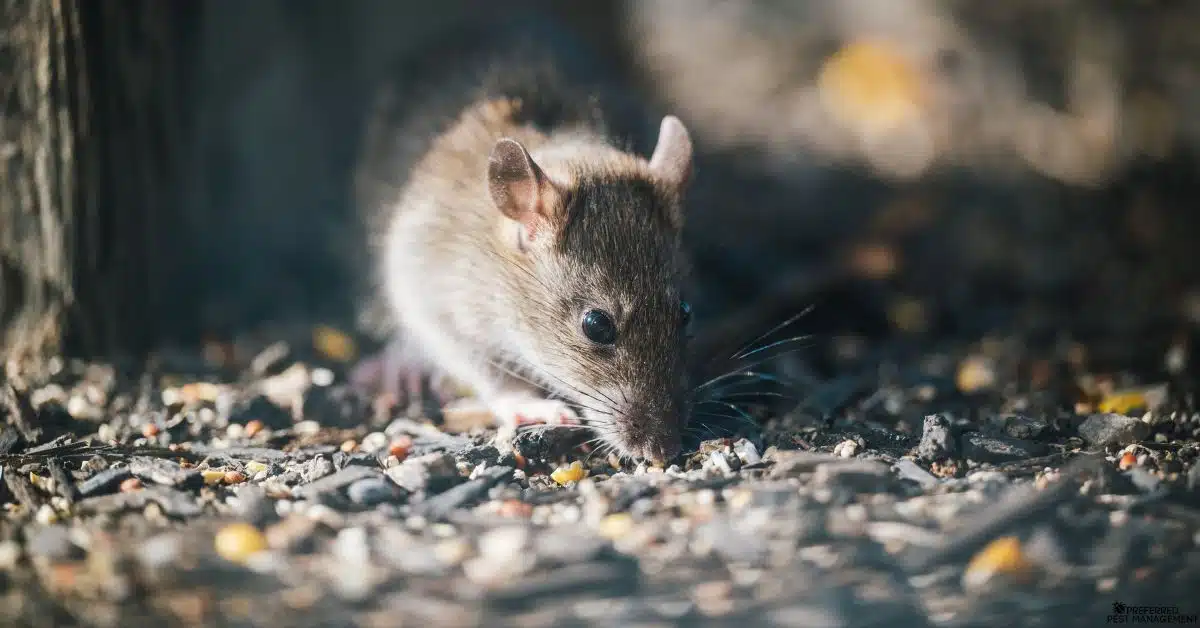
Whether you’re in Woodbridge, Jackson Meadows, Park Lake Estates, or near Salmon Park, rats in attics and walls can cause sleepless nights, foul odors, and serious property damage. Our licensed experts identify every access point, clean and sanitize affected areas, and guarantee our exclusion work with a renewable one-year warranty.
Schedule Your Rat Inspection
How Our Sachse Rat-Removal Process Works
Rat control requires more than placing a few traps or sealing one visible opening. The service should account for the animals currently inside, their travel routes, the structural openings they may be using, and the conditions that could contribute to continued activity.
1. Inspect the Relevant Areas
We inspect the accessible portions of the property associated with the reported activity. Depending on the home, this may include the attic, garage, exterior walls, roofline, vents, soffits, fascia, plumbing penetrations, air-conditioning lines, utility openings, construction joints, and other potential rodent-access areas.
We also look for droppings, gnawing, nesting material, rub marks, damaged insulation, food sources, travel routes, and other evidence that can help identify the animal and determine where it is active.
2. Identify the Rodent and Likely Entry Points
Rats, mice, and squirrels do not always use a home in the same way. We evaluate the available evidence to identify the likely animal and locate accessible openings that should be included in the proposed scope.
Unsafe, inaccessible, structurally damaged, or out-of-scope areas may require additional repairs or another qualified contractor. We document and explain those conditions rather than promising that every conceivable opening can be repaired through a standard exclusion service.
3. Remove and Monitor Active Rodents
The recommended program may include strategically placed traps and monitoring equipment in areas where activity has been identified. Follow-up visits allow us to check the equipment, assess whether activity continues, and adjust placements when needed.
When exterior rodent management is appropriate, secured stations may be recommended as part of a broader program. The specific approach depends on where rodents are active, the property layout, household considerations, and whether animals are already inside the structure.
4. Seal Approved Accessible Entry Points
Trapping rodents does not prevent new animals from entering through the same openings. When exclusion is approved, we seal the accessible entry points identified during the inspection and documented in the written service scope.
The materials and repair methods depend on the size, location, and construction of each opening. Learn more about our broader rodent-exclusion and home-sealing service and why active rodent control and structural repairs often need to work together.
5. Follow Up and Verify Activity
Rat and mouse problems frequently require monitoring after the initial visit. Follow-up appointments may be used to check equipment, remove captured rodents, evaluate new evidence, and determine whether additional action is needed.
The anticipated number and timing of visits depend on the infestation, property access, equipment, and service selected. Your technician will explain what is included in your program.
6. Evaluate Cleanup and Attic Damage
Rodent droppings, nesting material, urine contamination, odors, and damaged insulation may require additional cleanup. Attic sanitation and remediation are evaluated separately because the affected area and level of contamination can vary substantially between properties.
When cleanup is recommended, we explain the affected areas and provide a separate quote. Active rodents and relevant entry points should normally be addressed before extensive cleanup or insulation replacement begins.
What Rodent Exclusion Includes
Rodent exclusion focuses on preventing rats and mice from using accessible structural openings to enter the home. Depending on the inspection and approved scope, repairs may involve:
- Roof returns and roof-to-wall intersections
- Soffit, fascia, and eave gaps
- Attic and roof vents
- Plumbing and utility penetrations
- Air-conditioning line openings
- Garage corners and door areas
- Brick-to-siding transitions
- Exterior construction joints
- Other accessible openings identified during the inspection
The exact repairs depend on the property. Exclusion does not automatically include roof replacement, siding replacement, major carpentry, structural reconstruction, chimney work, inaccessible areas, or repairs that legally or practically require another trade.
Before exclusion begins, you should receive a clear explanation of the openings included, proposed materials, price, follow-up requirements, and applicable warranty terms.
How Much Does Rat Removal Cost in Sachse?
Rat-removal pricing depends on the evidence and conditions found at the property. A home with limited activity and a small number of accessible openings will require a different scope than a property with widespread attic activity, multiple entry points, a complex roofline, or extensive contamination.
Factors that can affect the cost include:
- Size and construction of the property
- Number and location of rodent entry points
- Roof height and complexity
- Accessibility of the attic and affected areas
- Severity and duration of the activity
- Trapping and monitoring requirements
- Number of follow-up visits needed
- Exclusion materials and repair requirements
- Detached garages, sheds, or additional structures
- Dropping removal, sanitation, deodorizing, or insulation work
We inspect the relevant areas before final exclusion or remediation pricing is approved. This allows the recommendation to reflect the work the property actually needs instead of relying on a generic price that may not match the infestation.
Why Rats and Mice Enter Sachse Homes
Rodents enter homes in search of food, water, shelter, and protected nesting areas. Rats can climb fences, trees, brick surfaces, utility lines, and connected rooflines to reach elevated openings. Mice can exploit smaller gaps around garages, utilities, exterior walls, and building transitions.
Conditions that may contribute to rodent activity include:
- Tree branches touching or overhanging the roof
- Damaged or poorly screened vents
- Openings around roof returns, soffits, or fascia
- Worn garage-door seals
- Gaps around plumbing, electrical, and air-conditioning lines
- Pet food or bird seed stored in accessible containers
- Unsecured trash or food waste
- Dense vegetation or clutter against the structure
- Water sources around irrigation or drainage areas
- Storm, roofing, or construction damage that creates new openings
Weather and nearby construction may also affect rodent movement. Extreme heat, cold, heavy rain, drought, and disturbed habitat can move rats and mice closer to homes.
Even after exclusion is completed, homeowners should periodically inspect the property for new storm damage, deteriorated materials, foundation movement, or openings created by later repairs and renovations.
Rodent Activity Around Garages and Newer Sachse Homes
An attached garage can provide rodents with a sheltered transition point between the exterior and the home. Openings around garage-door corners, worn bottom seals, utility lines, storage areas, and connected attic spaces may allow mice or rats to move farther into the structure.
New construction is not automatically rodent-proof. Small gaps can remain where different materials meet, while later cable, plumbing, roofing, or air-conditioning work may create additional penetrations. Food, pet supplies, bird seed, and stored belongings can also make a garage more attractive.
If you have noticed droppings, damaged storage, or movement around an attached garage, review the entry points mice may use in newer Sachse homes.
Brick weep holes require special care because they are designed to support drainage and ventilation. They should not simply be filled with caulk or foam. When screening is appropriate, the proposed repair should preserve the intended function of the opening.
Signs You May Have Rats or Mice in Your Sachse Home
Rats and mice often remain hidden in attics, garages, wall voids, cabinets, and other protected areas. You may hear or find evidence of an infestation without seeing the animal itself.
Common signs include:
- Scratching, movement, or gnawing noises at night
- Droppings in the attic, garage, pantry, or along walls
- Damaged food packaging or stored belongings
- Gnaw marks on wood, plastic, wiring, or ductwork
- Grease or rub marks along established travel routes
- Disturbed, compressed, or contaminated insulation
- Nesting material made from paper, fabric, or insulation
- Unexplained odors inside the attic or walls
- Gaps around garage doors, utilities, vents, or roof construction
- Pets repeatedly focusing on one cabinet, wall, or ceiling area
Not every sound above the ceiling is caused by a rat. Mice, squirrels, birds, and other animals can produce similar noises. Identifying the animal is important because the correct equipment, removal method, entry-point repairs, and follow-up schedule can differ.
When Rodent Droppings or Insulation Need Cleanup
Finding a small amount of rodent evidence does not automatically mean the entire attic needs new insulation. The appropriate response depends on the amount of contamination, affected area, odors, material damage, and whether active rodents remain inside.
Cleanup or attic-remediation services may be appropriate when there is:
- Widespread accumulation of droppings
- Visible nesting material
- Strong or persistent rodent odors
- Urine-contaminated insulation
- Compressed, displaced, or extensively damaged insulation
- Contaminated stored belongings
- Dead rodents or other organic material
- Activity affecting multiple attic areas
- A need to remove damaged insulation before replacement
Rodent waste should not be swept or vacuumed while dry. The cleanup method should reflect the material, affected area, accessibility, and extent of contamination.
Active rodents and relevant entry points should normally be addressed before extensive restoration begins. Learn more about when insulation may need replacement after rats and why not every attic requires the same remediation scope.
Are the Noises Caused by Rats, Mice, or Squirrels?
The time of activity, sound, droppings, damage, nesting material, and entry-point location can help identify the animal.
Rats and mice are often most noticeable at night. Homeowners may hear scratching, light running, chewing, or movement inside walls and attic areas. Rats generally produce larger droppings and may create heavier noises than mice.
Squirrels are more commonly active during daylight hours, especially early in the morning. Their movement may sound faster or heavier, and they may damage roof edges, soffits, vents, or other elevated materials.
These patterns are helpful but are not definitive. An inspection is the best way to evaluate the evidence before choosing a removal plan. If the activity appears more consistent with squirrels, review our squirrel-removal service in Sachse.
Why Choose Preferred Pest Management for Rodent Control?
Preferred Pest Management approaches rodent problems as a combination of active-animal control, structural inspection, exclusion, follow-up, and prevention. We want customers to understand what was found, which work is recommended, and what each approved service includes.
Service Supported by Our Sachse Office
Rat-removal service in Sachse is supported by our Preferred Pest Management Sachse office at 6406 State Highway 78, Suite 205. Please call before visiting so we can confirm availability and connect you with the appropriate team member.
Inspection-Based Recommendations
We assess the relevant evidence and accessible structural areas instead of recommending the same package for every home.
Removal and Prevention Options
When appropriate, your service can combine trapping and monitoring with structural exclusion. Removing active rodents without addressing entry points may leave the property vulnerable, while sealing openings without accounting for animals already inside can create additional problems.
Clear Scope and Pricing
We explain which openings, repairs, appointments, and services are included. Attic remediation, insulation work, major structural repairs, detached buildings, and inaccessible areas may require separate pricing.
Follow-Up Based on the Infestation
Rodent activity does not always stop after one visit. The recommended schedule reflects the evidence, equipment, access, and service selected.
Written Warranty Terms
Qualifying rodent-exclusion work may include a one-year renewable warranty under the terms of the written service agreement. Coverage applies to the approved exclusion scope and remains subject to the responsibilities, limitations, and renewal requirements described in that agreement.
For broader household pest concerns, visit our pest-control services in Sachse. You can also learn more about our complete rat removal and extermination services throughout the Dallas-Fort Worth area.
Sachse Rat-Removal Frequently Asked Questions TX
How much does rat removal cost in Sachse?
The cost depends on the property’s size and construction, the severity of the activity, the number and location of entry points, roof and attic access, trapping requirements, follow-up visits, and whether exclusion or cleanup is needed. We evaluate the relevant areas before final exclusion or remediation pricing is approved so the quote reflects the actual scope.
How long does rat removal usually take?
Many rodent problems require an inspection, initial trapping or exclusion work, and follow-up monitoring over several days or weeks. The process may take longer when activity is extensive, attic access is limited, structural repairs are required, or additional entry points are discovered.
Do you trap rats or use poison?
Inside structures, the recommended program generally emphasizes strategically placed traps and monitoring equipment. Secured exterior stations may be recommended when appropriate. The exact approach depends on where rodents are active, the property layout, household considerations, and the approved service.
Will you seal the openings rodents are using?
Exclusion is available when accessible rodent entry points are identified and included in the approved scope. Common repair areas include roof returns, vents, soffits, fascia gaps, utility penetrations, garage areas, and exterior construction joints. Unsafe, inaccessible, structurally damaged, or out-of-scope areas may require additional work.
Is attic cleanup included with rat removal?
Attic cleanup is not automatically included with every rat-removal or exclusion service. Dropping removal, sanitation, deodorizing, damaged-insulation removal, and extensive remediation are evaluated and quoted according to the contamination found.
Can mice enter a newer Sachse home through the garage?
Yes. Newer homes can have openings around garage-door corners, bottom seals, utilities, material transitions, and attached attic areas. Construction age alone does not determine whether a home is protected from rodents. An inspection can help identify evidence and accessible openings.
What happens if rodents are still inside when exclusion begins?
The removal and exclusion plan should account for animals that may already be inside. Depending on the property, traps and monitoring equipment may be installed before, during, or after exclusion work. Follow-up visits allow the technician to check for continued activity.
How can I tell rats from mice or squirrels?
The size of the droppings, time of activity, type of noise, gnaw marks, nesting material, and entry-point location may help identify the animal. Rats and mice are commonly active at night, while squirrels are more likely to be heard during daylight hours. An inspection provides a more reliable identification.
Are your rodent-control methods planned around children and pets?
Yes. Tell us about children, pets, pet doors, backyard animals, or other household concerns before service. Equipment is placed with the property and access risks in mind. Customers should still keep children and pets away from traps, stations, and monitoring equipment.
What does the rodent-exclusion warranty cover?
Qualifying exclusion services may include a one-year renewable warranty covering approved exclusion work described in the written agreement. New structural damage, customer alterations, inaccessible areas, detached structures, cleanup, trapping, and openings outside the approved scope may have different terms.
Can I solve a rat problem with traps from the store?
A homeowner may occasionally catch an individual rat, but trapping alone does not identify or close the opening that allowed it inside. Repeated noises, droppings, or unsuccessful trapping usually indicate that a broader inspection is needed. Our guide explaining how to get rid of rats covers why active removal and exclusion often need to work together.
Schedule a Rat Inspection in Sachse
Do not wait for attic noises, droppings, gnaw damage, or contaminated materials to become a larger problem. Tell us what you are hearing or seeing, where the activity is occurring, and how long it has been present. Our team will help determine the appropriate inspection or service appointment.