New signs after trapping
Recurring attic movement or fresh droppings can indicate an entry route that remains available.
Trapping addresses the rodents inside. Exclusion addresses the openings they use. Let’s build a plan for both the activity and the way back in.
Preferred Pest Management inspects accessible entry areas and seals the openings included in your approved scope. We coordinate sealing with active rodent control when needed, then explain follow-up and written coverage.
Property-specific recommendations. Clear service scope and pricing before you approve work.
 Find the opening. Close the route.
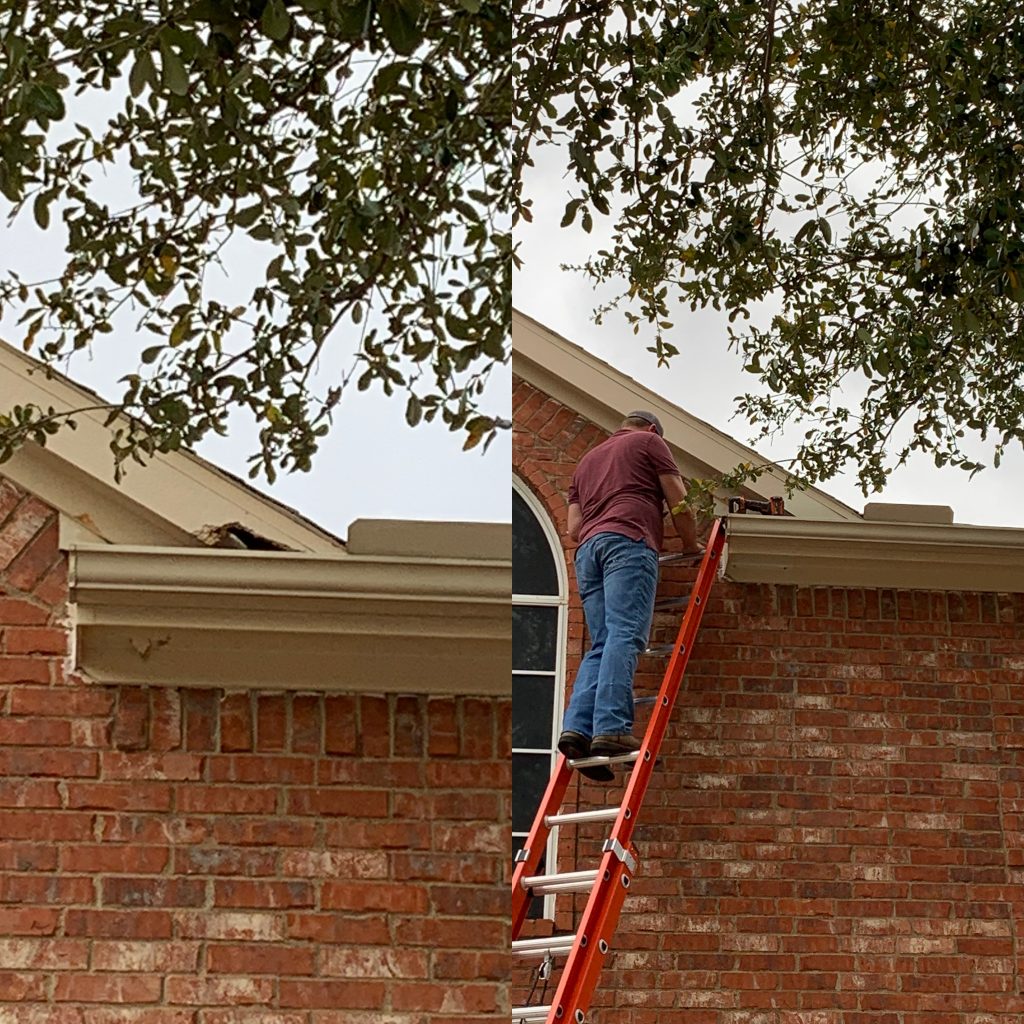
A trap can catch a rodent without explaining how it entered. New droppings, fresh chewing, or movement after previous control are reasons to inspect the roofline, vents, utility penetrations, and lower-level gaps. An opening alone does not identify the animal; the evidence and construction need to be considered together.
Tell us what you’ve noticed ↗Recurring attic movement or fresh droppings can indicate an entry route that remains available.
Roof returns, soffits, fascia, and vents may need closer inspection where access is safe.
Pipes, cables, and air-conditioning lines can leave gaps where they pass through exterior walls.
Door corners, damaged screens, and construction gaps may contribute to entry.
Exclusion is construction-specific work. We identify the accessible areas to address and explain what requires separate repair.
Review rodent evidence alongside relevant openings. We explain the areas inspected, access limitations, and why a particular gap matters.
See the inspection process ↗Use materials suited to the opening and surrounding construction. The written scope identifies the work rather than promising to seal every possible gap.
Explore common entry areas ↗Rats or mice already using a structure may need trapping and monitoring alongside sealing. These are related services with their own scope.
Explore rat removal ↗The goal is to interrupt the route without overlooking active animals, ventilation, or building repairs. A home inspection and a rodent-exclusion inspection serve different purposes.
Roofline returns, vents, garage corners, and utility gaps are evaluated according to evidence and access. Unreachable areas are identified as limitations, not assumed complete.
Rodent-resistant screening and sealing materials must suit the construction. Ventilation openings still need to perform their intended function.
Rotten fascia, roof damage, electrical issues, or other structural defects may require another qualified contractor. Cosmetic restoration is not automatically included.
Tell us where the activity keeps returning, what has already been tried, and whether you have noticed exterior gaps or damage. We’ll discuss the next step for an exclusion inspection.
Request rodent-exclusion help for your North Texas property. Our team will contact you to discuss the details.
By submitting, you’re asking Preferred Pest Management to contact you about this service request. Submission does not book an appointment.
The recommendation follows the evidence and the property. Here is how we work through it with you.
Review activity, accessible exterior gaps, relevant attic evidence, and previous repairs.
Coordinate active control and sealing; review the openings, materials, access, and price.
Address the entry areas listed in the proposal and document any additional conditions.
Discuss monitoring, prevention, future property changes, and applicable written warranty terms.
Exclusion cost depends on the number and type of openings, building height, access, materials, and condition of the surrounding structure. A garage-door gap and a damaged roof return involve different work. Active removal, insulation work, and major repairs are priced according to their own scope.
Request my property quote ↗Company-wide Google reviews cover different services across North Texas. They are not limited to rodent exclusion customers.
Review our local pest-control pages and contact the team to confirm rodent exclusion availability for your address.

We’re a locally and family-owned North Texas business serving our communities since 2020. We explain what we find, what the recommended service includes, and how to prepare for it.
Tell us about the building, previous service, and any access or scheduling needs. Your property details help us recommend an appropriate starting point.
Direct answers about service, preparation, pricing, and follow-up.
Rodent exclusion means finding and sealing approved, accessible openings that rats or mice may use to enter a building. It helps reduce entry opportunities and is different from trapping animals already inside.
Active rodents and the entry routes need a coordinated plan. The inspection determines how trapping, monitoring, and sealing should be sequenced. Do not seal an active opening on your own without understanding what is inside.
Recommendations may include accessible roof returns, vents, soffit or fascia gaps, utility penetrations, and garage corners. The approved written scope identifies the actual openings, materials, and limitations for your property.
A suitable repair depends on the opening and construction. Ordinary foam alone may not provide durable rodent resistance. We recommend materials for the specific location while preserving required ventilation and access.
Cleanup, sanitation, insulation replacement, and structural repair are separate from sealing unless your proposal expressly includes them. We explain when further assessment is warranted.
Pricing depends on the openings, height, access, materials, and repairs involved. An inspection is needed to develop a useful scope and quote; removal pricing does not automatically include sealing.
Qualifying work may include written warranty coverage. Ask which openings are covered, what monitoring or renewal is required, and how storms, construction, new damage, or inaccessible areas affect the terms.
Yes. Tell us what was done and whether new signs continue. We can assess accessible entry routes and explain whether additional control, sealing, or a separate repair is appropriate.
Address current activity
Explore rat removal ↗Assess damage after control
Explore attic and insulation services ↗Identify a different attic visitor
Explore squirrel removal ↗Understand practical prevention around entry routes.
Learn more ↗See how control and prevention fit together.
Learn more ↗Consider when attic assessment is useful.
Learn more ↗Use these local service pages and practical guides to compare your options and prepare useful questions for our team.
Describe your rodent exclusion concern. We’ll help you move forward.
