A pest control warranty is usually a promise of follow-up service if the same pest comes back, not a promise that your property will stay pest-free forever. That distinction matters a lot when you’re comparing companies, because the phrase “pest control warranty” sounds broader and stronger than it usually is. Here’s what’s actually covered, what often is not, and how to spot the difference before you sign anything.
What a Pest Control Warranty Actually Means
In plain English, a pest control warranty is a service commitment tied to a treatment plan. If the target pest returns during a stated period, the company will usually come back to inspect, retreat, or service the area again.
That’s the real value. You’re not buying magic. You’re buying a defined response if the original problem shows back up.
For most homeowners and property managers, that response is the thing that matters most anyway. Pest issues, especially roaches, ants, and spiders, rarely fit into a neat one-visit box. A good warranty acknowledges that reality and puts the follow-up in writing.
Why the Term “Warranty” Confuses So Many People
“Warranty” makes people think of broad protection. Like a roof warranty, an appliance warranty, or a home warranty plan. Pest control doesn’t work that way.
A pest control warranty is usually different from a company “guarantee,” though the two terms often get used interchangeably in ads. It’s also different from a home warranty add-on. In fact, 69% of homeowners in a recent home warranty survey chose combination coverage for systems and appliances, and pest control was not a standard priority in that data. So if you see “warranty,” don’t assume it means your home warranty company covers infestations, damage, or all pest-related costs.
Most of the time, it means one narrow thing: if the treated pest comes back under the agreed conditions, the pest company will come back too.
The One-Sentence Reality Check
Most pest control warranties are narrow, conditional, and tied to the original pest, the original treatment plan, and the condition of the property.
What’s Usually Covered in a Pest Control Warranty
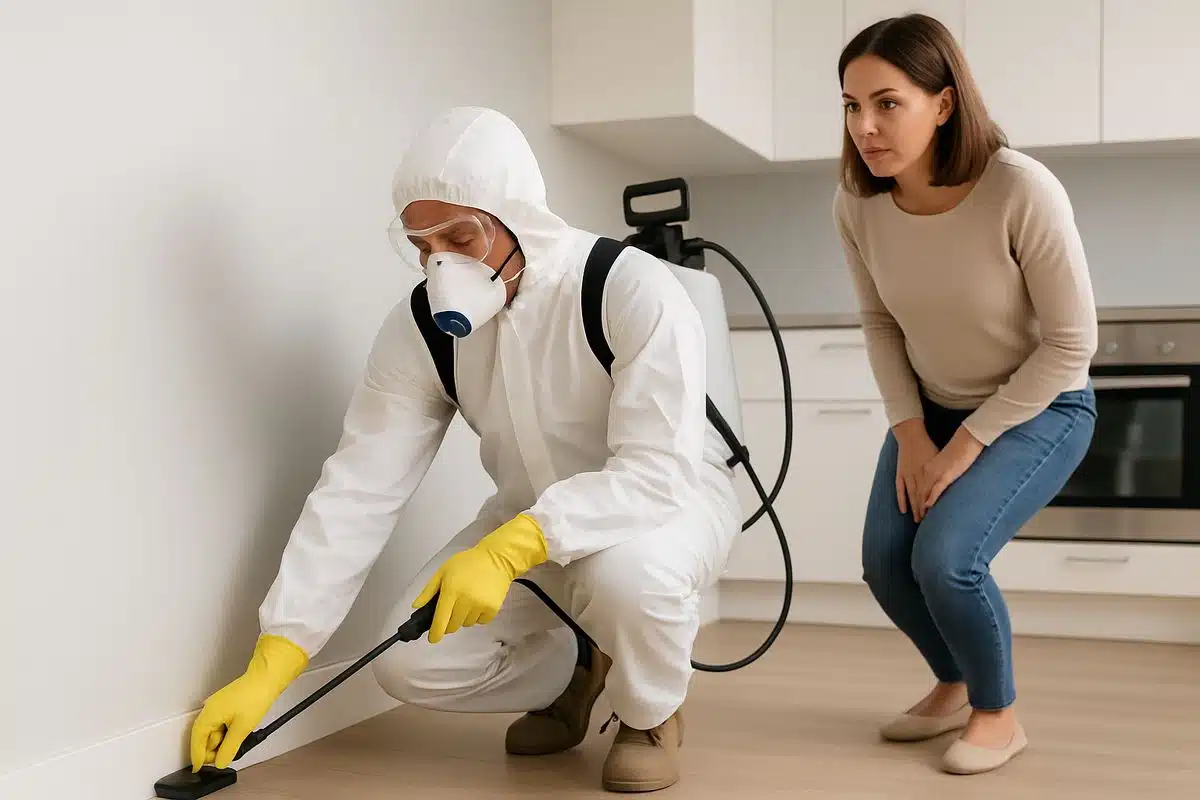
Once you strip away the marketing language, most contracts cover one of three things: a return visit, another treatment, or a limited refund. The details matter more than the headline.
And yes, details really do matter. Coverage detail was the single most important factor when homeowners chose a home warranty company, ranking above price. Pest control buyers tend to think the same way when they’ve been burned before.
Free Reservice for the Same Pest
This is the most common form of coverage. If the original target pest comes back during the warranty period, the company returns at no extra charge.
That might apply to cockroaches, ants, spiders, or another specific pest listed on the service agreement. If you hired them for German roaches in the kitchen and bathrooms, the free callback usually applies to that same roach issue, not every pest you might see later.
Some national providers frame their offers this way. Terminix says its promise includes return visits between treatments at no additional cost, and Aptive says it provides free re-treatments if pests return between scheduled services. That tells you how common the reservice model is across the industry.
Retreatment, Monitoring, or Spot Treatment
A callback does not always mean the company starts from scratch. Often, the follow-up is a targeted retreatment, bait refresh, trap reset, crack-and-crevice treatment, or another inspection to confirm activity.
That’s not necessarily a bad thing. Good pest control should follow the biology of the pest, not a script. Companies that use IPM, short for Integrated Pest Management, focus on inspection, exclusion, sanitation, and targeted treatment instead of spraying everything in sight. That IPM approach is widely recommended because it aims to solve the underlying cause, not just repeat chemical application.
For roaches, that’s especially relevant. A smart follow-up might involve new gel bait placements, dust treatment in voids, and updated monitoring, not just another blanket spray.
Limited Refund or Money-Back Guarantees
Refund language exists, but it’s less common than free reservice, and it usually comes with strings attached. You may need multiple failed visits, management approval, proof that you followed prep instructions, or continued service through a minimum period.
Still, some companies do offer it. Orkin’s coverage is described as including a 30-day money-back guarantee and free touch-ups between treatments. That sounds strong, but the written conditions still matter.
Money-back language is nice. Clear callback language is usually more useful.
Coverage Periods You’ll Commonly See
You’ll commonly see 30-day, 60-day, and 90-day warranty periods on one-time services. You’ll also see seasonal plans and quarterly programs where coverage continues as long as the account stays active.
A short window is not automatically bad, and a long one is not automatically good. What matters is what happens during that period. Does the company come back free of charge? Is there a service-call fee? Are there limits on how many times they return?
That last point gets overlooked all the time. Pest treatment pricing varies by home size, infestation severity, number of visits, and pest type, so a warranty has real value only if it actually covers the follow-up visits you’re likely to need.
What’s Often Not Covered, Even When the Ad Sounds Great
This is where disappointment usually starts. The ad says “guaranteed.” The contract says something much narrower. And suddenly the free callback you thought you had turns into a charge, a denial, or a debate.
New Pest Problems vs. the Original Infestation
A warranty for one pest usually does not include a different pest. Roaches are not ants. Ants are not rodents. Rodents are definitely not termites, bed bugs, mosquitoes, or wildlife.
So if a company treated cockroaches and you later see rats in the attic, that’s typically a separate issue with separate pricing and separate terms. The same goes for flea outbreaks, mosquito programs, bed bug work, and wildlife exclusions.
For buyers comparing roach vendors, this matters more than the glossy brochure. If you’re dealing with recurring indoor infestations, it helps to understand the difference between ongoing coverage and a one-and-done approach before you assume the warranty will carry the whole load.
Damage Repair Is Usually Excluded
Most pest control warranties cover treatment, not repairs. If roaches contaminate inventory, rodents chew wiring, or pests contribute to drywall or insulation issues, the service agreement usually does not pay to fix those losses.
Termite agreements can be different, but even then, damage coverage is limited and heavily conditioned. That matters because termites infest about 600,000 U.S. homes each year and cause more than $5 billion in property damage. And the average homeowner with termites spends about $3,000 repairing damage.
So yes, treatment and damage are two different promises. Never assume one includes the other.
Conditions That Can Void Coverage
This is the part most people skim. Big mistake.
Common exclusions include sanitation problems, standing moisture, heavy clutter, inaccessible treatment areas, missed appointments, tenant refusal, untreated neighboring units, and failure to follow prep instructions. In apartment or commercial settings, those exclusions become even more important because one uncooperative unit can undermine the whole plan.
You’ll also see language about preexisting issues. That’s not unusual. Nearly 29% of denied home warranty claims were tied to preexisting conditions, and another 29% were denied because the item was not covered. Pest contracts work the same way in spirit: if the issue falls outside the written scope, the company may deny the callback.
One-Time Treatments With Narrow Guarantees
One-time treatments often come with the shortest warranty windows and the most limited follow-up. Sometimes they’re still worth it. Often, they’re not enough for recurring pests.
That’s especially true with roaches. If a company is promising long-term control from a single visit, be skeptical. There are cases where one visit helps, but recurring pests usually need monitoring and follow-up. If you’re weighing that choice, it helps to read more about why a single roach service often falls short.
Why Termite Warranties Are a Different Category
Termite warranties deserve their own lane because the risk is different. General pest service is mostly about nuisance control and sanitation protection. Termite service is about structural risk and asset protection.
That’s why termite contracts are usually longer, more technical, and more heavily documented.
Termite Retreatment Warranty vs. Termite Damage Warranty
A termite retreatment warranty means the company will come back and treat again if live termites are found during the covered period. A termite damage warranty goes further and may pay for some repair costs if new termite damage occurs after the covered treatment.
Those are not equal. Damage coverage is stronger, rarer, and full of conditions. It may include dollar caps, exclusions for hidden or inaccessible areas, renewal requirements, and proof that the original infestation was properly disclosed.
Why Termite Contracts Tend to Be Longer and More Detailed
The stakes are simply higher. Termites, mosquitoes, and ticks are cited as some of the most significant pest threats to people in the U.S., and termite damage gets expensive fast.
That pressure is pushing the market toward contract-based protection. Industry reporting says rising awareness of long-term structural damage prevention is shifting termite protection toward asset preservation rather than reactive repair. In plain English, more owners are treating termite coverage like a long-term property protection plan.
What to Check Before You Assume You’re Protected
Read the renewal terms. Confirm whether annual inspections are required. Check if the agreement transfers to a new owner. Look for exclusions involving crawlspaces, slab penetrations, hidden wall voids, and inaccessible areas. Make sure the company documented any preexisting damage before treatment.
If that sounds like a lot, it is. But termite paperwork should be more detailed. That’s actually a good sign.
How Pest Type Changes the Warranty Value
Not all pest warranties are equally useful. The value depends on how the pest behaves, how easily it returns, and how much control depends on the environment around the treatment.
Cockroaches and Other Recurring Indoor Pests
Roaches are a great example of why follow-up terms matter more than flashy promises. German cockroaches reproduce fast, hide well, and spread through shared walls, appliances, deliveries, and cluttered storage areas. In homes, restaurants, and multi-unit properties, one treatment can reduce activity, but lasting control usually requires inspection, baiting, monitoring, and repeat service.
That’s why a practical warranty beats a dramatic one. Professional pest control can provide longer-term relief than DIY because specialists address the true causes of infestations rather than just symptoms. If you’re comparing vendors for roach work, look closely at their follow-up process and the standards used for cockroach-focused service protocols, not just the headline guarantee.
Rodents, Bed Bugs, and Wildlife
These categories often come with tighter limits. Rodent control may exclude repairs to entry points unless exclusion work is sold separately. Bed bug guarantees may require extensive prep, laundering, clutter reduction, and repeat inspections. Wildlife work often depends on sealing entry points and may exclude future intrusions if the structure changes.
In other words, these warranties can be useful, but they tend to be highly conditional.
Mosquito, Flea, and Outdoor Pest Programs
Outdoor pest programs usually have the least predictable warranty value because weather, irrigation, landscaping, and neighboring properties all affect results. Rain can reduce treatment longevity. Fleas may persist if pets and indoor areas are not treated properly. Mosquito control usually requires repeated seasonal service, not a one-time fix.
So when a company offers a bold outdoor guarantee, read the exclusions twice.
How to Read the Fine Print Without Getting Lost
You do not need to be a contract lawyer to evaluate a pest control warranty. You just need to know what to look for.
Look for These 7 Terms Before You Sign
Read the contract for seven things: the exact pest covered, the service period, what counts as free reservice, whether service-call fees apply, cancellation rules, refund language, and what voids coverage.
That checklist is not overkill. A standard pest control contract should spell out the scope of work, agreement length, cancellation terms, and policy for re-treatments. If it doesn’t, you’re relying on sales talk.
Red Flags That Suggest the Warranty Isn’t Worth Much
Watch for phrases like “at company discretion,” “covered pests may vary,” or “callbacks subject to inspection and additional charges” without explanation. Be wary of vague pest lists, no written service interval, surprise callback fees, and verbal promises that are missing from the agreement.
Another red flag is when the company cannot explain what happens if pests return. Customers are specifically advised to ask whether service calls are included or charged separately. If the answer is slippery, the warranty probably is too.
Good Signs of a Stronger, More Honest Warranty
Good warranties use pest-specific language. They define the time frame, explain callback terms clearly, and state what conditions apply. Better companies also document what they found, where they treated, and what you need to do next.
For commercial accounts, that paper trail matters even more. If you manage a business, it helps to know what records Dallas properties should expect after service, because documentation often tells you more about the real quality of the provider than the ad does.
Questions to Ask a Pest Control Company Before You Book
A decent company should be able to answer hard questions without getting defensive. Honestly, if they can’t explain their own warranty in plain English, that tells you plenty.
Questions About Coverage
Ask which pests are covered exactly. Ask how long coverage lasts. Ask whether a roach callback is free or billed. Ask whether there is a limit on revisit frequency. Ask what happens if activity drops but does not fully stop after the first service.
These are not awkward questions. They’re buyer questions.
Questions About Cost and Contracts
Ask if service calls cost extra. Ask whether the agreement auto-renews. Ask what happens if they change your route, miss a service window, or cancel service in your area. Ask if there are penalties for ending the plan early.
If you want a deeper screening list, it’s worth reviewing a stronger set of hiring questions before choosing a provider. The companies with solid answers usually stand out fast.
Questions About Qualifications and Follow-Through
Ask who will actually perform the service. Ask whether the company uses IPM methods. Ask if they are licensed and insured. Ask how they document findings, treatments, and recommendations after each visit.
For commercial properties, licensing and documentation deserve extra scrutiny because the operational risk is higher. Restaurants, warehouses, and multi-tenant buildings need more than a handshake promise.
Pest Control Warranty Examples: What Different Offers Really Mean
Marketing phrases are short on purpose. They sound simple. The reality usually isn’t.
“30-Day Guarantee”
Usually, this means one callback window after a one-time service. It does not mean ongoing protection, broad coverage, or a full season of follow-up.
Sometimes that’s enough for a minor issue. For recurring indoor pests, it often isn’t.
“Quarterly Service With Unlimited Callbacks”
This can be a strong offer if the callbacks are truly included, the target pests are clearly listed, and there are no hidden visit charges. It’s often a better fit for properties with ongoing pest pressure because pests do not care that you hoped one visit would do it.
Still, verify the details. “Unlimited” means nothing if every callback gets reclassified as a new issue.
“Money-Back Guarantee”
This sounds generous, but the catch is usually in the approval process. Check whether a refund requires multiple failed visits, management signoff, compliance with prep instructions, or continued service through a contract period.
Also confirm whether the refund covers the treatment price only, or any follow-up fees too.
Choosing the Right Warranty for Your Property Type
The right warranty depends on how the property works day to day. A single-family home, a 40-unit apartment building, and a restaurant have very different failure points.
For Homeowners
For most homeowners, the sweet spot is clear callback language for recurring pests like roaches, ants, and spiders. You want a company that explains exactly what happens if activity returns and doesn’t hide behind vague phrases.
Price matters, sure. But treatment costs for an average 3,000-square-foot home often range from $400 to $950, while bed bugs and termites can cost several thousand dollars. At that point, clear follow-up terms can save you more than chasing the cheapest estimate.
For Property Managers and Multi-Unit Buildings
Multi-unit pest control lives or dies on access, cooperation, and documentation. If neighboring units are untreated, the warranty may be far less useful than it appears. Ask whether common areas are included, how adjacent-unit activity is handled, and whether noncooperative tenants can void coverage.
Roaches in apartments are their own category of headache, which is why many managers end up needing a plan built around what actually works in shared-wall buildings.
For Restaurants and Other Commercial Properties
For restaurants and commercial sites, response time matters as much as the warranty headline. Fast callbacks, sanitation coordination, technician consistency, and written service logs are often more valuable than a broad-sounding guarantee.
Commercial operators also need to separate general service claims from real compliance needs. That includes verifying who is qualified to perform the work and whether the provider’s process fits the environment.
The Bottom Line: What a Good Pest Control Warranty Should Give You
A good pest control warranty should give you four things: clear pest-specific coverage, written callback terms, realistic exclusions, and a company willing to explain the contract without dodging the hard parts.
That’s it. Not hype. Not vague reassurance. Just clear written protection tied to a real follow-up process.
A Simple Rule for Comparing Vendors
The best warranty is not the one with the biggest promise. It’s the one with the clearest written terms and the strongest follow-through.
If one company says “fully guaranteed” and another says “German roach callbacks included for 60 days at no charge, with documented follow-up and bait refresh as needed,” pick the second one every time.
Frequently Asked Questions
Does a pest control warranty cover all pests in my home?
Usually no. Most warranties apply only to the pest or pests listed in the service agreement. If the company treated roaches, that does not usually mean ants, rodents, termites, or bed bugs are covered too.
Are callback visits really free under a pest control warranty?
Sometimes, but not always. Many companies include free reservice for covered pests, while others charge a service-call fee or limit how often they’ll return. Always check the written terms.
Is a guarantee the same as a warranty?
Not necessarily. Companies often use those words loosely in marketing. In practice, both usually refer to follow-up service terms, but the contract matters more than the label.
Do one-time pest treatments come with a warranty?
Often yes, but the window is usually short, such as 30 to 90 days. Some one-time services include very limited follow-up, and some offer almost none, so read that section closely.
Do termite warranties cover damage repairs?
Some do, many do not. A termite retreatment warranty usually covers another treatment if termites return. Damage coverage is a separate and stronger promise, and it usually comes with caps, exclusions, and annual renewal requirements.
What should I read first in a pest control contract?
Start with the covered pest list, the warranty period, callback terms, exclusions, cancellation rules, and any fees for return visits. Those sections tell you what the warranty is actually worth.
A solid pest control warranty should make you feel more certain, not more confused. If the company can explain the terms clearly, put them in writing, and stand behind the follow-up, you’re probably looking at the right kind of provider.
