

Getting quotes for roach exterminator cost in DFW can feel like shopping for the same repair and somehow getting three completely different numbers. That part is normal. The part that matters is knowing when a low quote is just lean, and when it is missing the very work that actually gets roaches out for good.
What a Fair Roach Exterminator Cost Looks Like in DFW
A fair roach quote in Dallas-Fort Worth usually lands in the low hundreds for a standard job, not the thousands. In most normal situations, that means a house, townhome, or small business with a manageable problem, clear access, and a treatment plan that does more than a quick spray around the baseboards.
The big jumps in price usually happen for a reason. A Plano slab-foundation home after a rainy week may have exterior pressure pushing roaches in through gaps, weep holes, or utility penetrations. A restaurant near a busy alley may deal with constant reinfestation pressure from dumpsters, drains, grease areas, and neighboring tenants. A fourplex with shared walls is a different job than a single-family house. So is a kitchen packed with German roaches hiding in motor housings, cabinet voids, and behind the fridge.
Here’s the direct answer: fair pricing follows scope. If a company explains what it found, what type of roach is present, where the activity starts, what treatment method it plans to use, and how many visits the job actually needs, the quote usually makes sense. If the number looks random, the service probably is too.
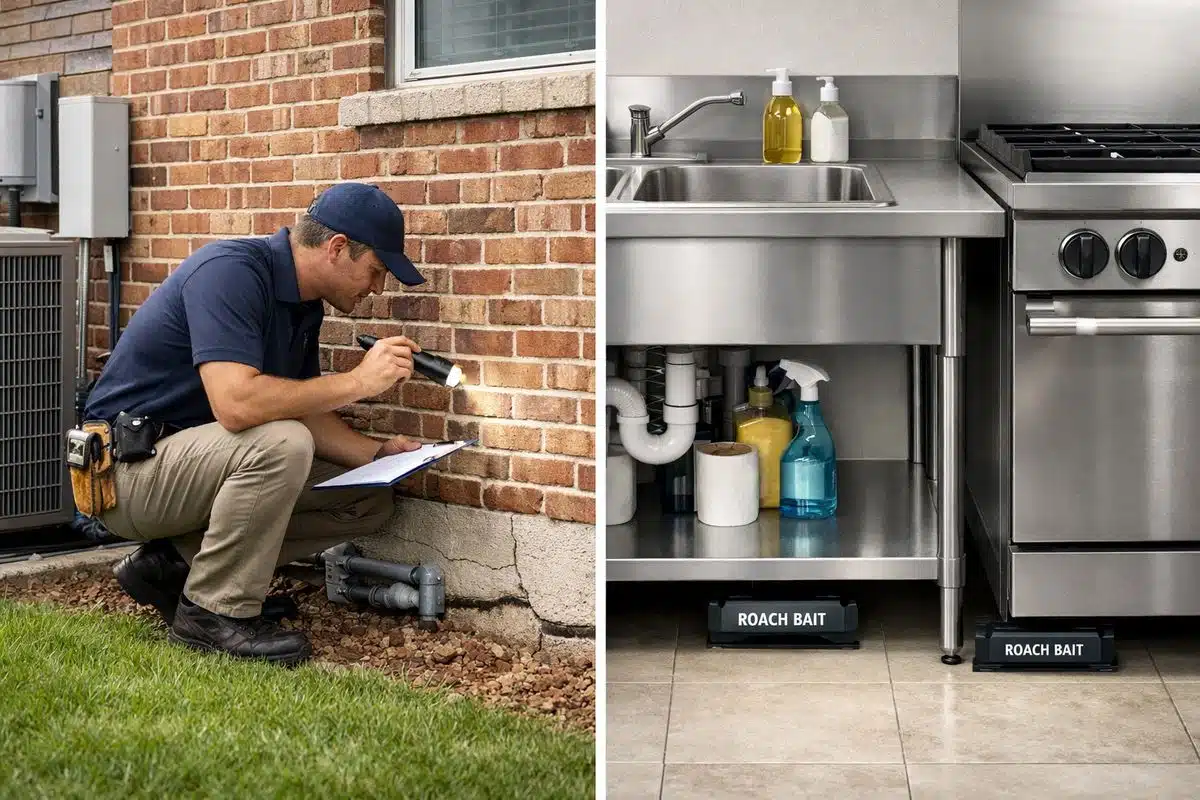
Typical Price Ranges for Roach Extermination in DFW
The fastest way to sanity-check a quote is to know the normal range first. In Dallas, $100 to $600 is a realistic range for roach extermination, with many straightforward jobs clustering in the middle of that span.
One-time treatment pricing
For a one-time visit, most residential jobs fall around $100 to $400, and a simple Dallas-area roach treatment often lands somewhere around $175 to $350. Small commercial spaces can overlap with that range, though kitchens, food handling areas, and after-hours service often push the number higher.
That lower end usually applies when the issue is light, access is easy, and the work is focused. Think larger outdoor roaches showing up in a bathroom or garage, not an established kitchen infestation breeding behind appliances. Once the quote starts getting into the $300 to $550 range, the service should reflect that with a fuller inspection, more targeted materials, and at least a plan for follow-up if activity continues.
A one-time quote can be fair. It just has to match the problem. If you are dealing with repeated sightings, egg cases, droppings, or roaches in multiple rooms, a one-and-done approach is often too optimistic. That is where comparing a single cleanout versus an ongoing plan gets useful.
Ongoing service plan pricing
Recurring service is common in DFW because roach pressure is not just seasonal theater around here. Warm weather lasts a long time, indoor activity never fully shuts off, and shared-wall properties or food-service spaces often need repeat attention.
Monthly plans often run about $50 to $100. Quarterly pricing can land in a similar range per scheduled service for some general plans, though many local recurring programs for full exterior and interior pest management run higher depending on scope. Annual totals can range widely, from about $200 up to $1,000 or more.
Recurring service is worth it when the property has repeat pressure, not just because a salesperson says subscriptions are easier. Apartments, condos, restaurants, and older homes with ongoing entry issues often benefit from it. A clean single-family home with one isolated issue may not.
When prices move into the high hundreds or thousands
Once a quote moves into the high hundreds or crosses into four figures, something more involved should be true. Severe infestation is the obvious one. So is fumigation, tenting, large multi-unit coordination, major sanitation failure, or repeated failed treatment history.
Nationally, fumigation costs $1,000 to $3,000, and tenting can go much higher. Those are not standard roach jobs. Those are specialty responses for serious conditions. If somebody is quoting that level of price for a typical home with a few sightings and no evidence of widespread nesting, the number needs a very good explanation.
What Actually Changes the Price
Most of the pricing spread comes from a handful of real factors. If you know these, it gets much easier to tell the difference between a thoughtful quote and a padded one.
Infestation level: a few sightings vs. a real problem
Severity drives cost more than almost anything else. One large roach in the garage after heavy rain is one thing. Roach droppings in drawers, egg cases under the sink, and activity in the kitchen, laundry room, and bathrooms is something else entirely.
Visible activity is usually only part of the story. Angi advises calling a pro when you see two or more roaches, because the visible ones are often the tip of the iceberg. More severe infestations need more labor, more materials, and more follow-up. That means higher cost, and honestly, that part is fair.
Property size, layout, and access
Square footage matters, but layout matters almost as much. A tidy 1,400-square-foot house with open access is easier to treat than a 1,400-square-foot property with packed cabinets, attached garage clutter, multiple utility chases, and limited access behind appliances.
Attics, crawl spaces, garages, laundry areas, and wall voids can add time quickly. So can multi-unit coordination. If a quote is higher because the technician needs to inspect utility penetrations, foundation lines, and difficult access points, that is not fluff. That is labor.
Roach type matters more than most people expect
Not all roaches create the same job. In DFW, the biggest pricing split is often between larger occasional invaders and small German roaches.
American and smokybrown roaches are the larger ones you may spot coming in from outside, especially after rain or around garages, drains, landscaping, and foundation gaps. Those jobs often focus on exterior pressure, entry points, moisture, and perimeter treatment.
German roaches are the small tan ones that settle deep into kitchens, bathrooms, break rooms, appliances, and wall voids. Those infestations are harder and usually more expensive because they reproduce fast and need a tighter plan. If you want a deeper look at that difference, this guide on why small kitchen roaches need a different approach breaks it down clearly.
Treatment method and number of visits
A quick perimeter spray is not the same service as a detailed interior roach treatment. Spray means liquid product applied to surfaces or exterior zones. Gel bait is a targeted food-based material placed where roaches feed. Dust is a dry product used in cracks, voids, and hidden spaces. Glue boards are monitors that help track where activity is still happening. An insect growth regulator, often called an IGR, interrupts the roach life cycle.
That mix matters because it changes both labor and effectiveness. In Dallas, interior gel bait for cockroaches is often benchmarked around $125 to $300 as one treatment component, not necessarily the whole job. If the quote includes interior baiting, dusting, monitors, and follow-up, it should cost more than a spray-only visit.
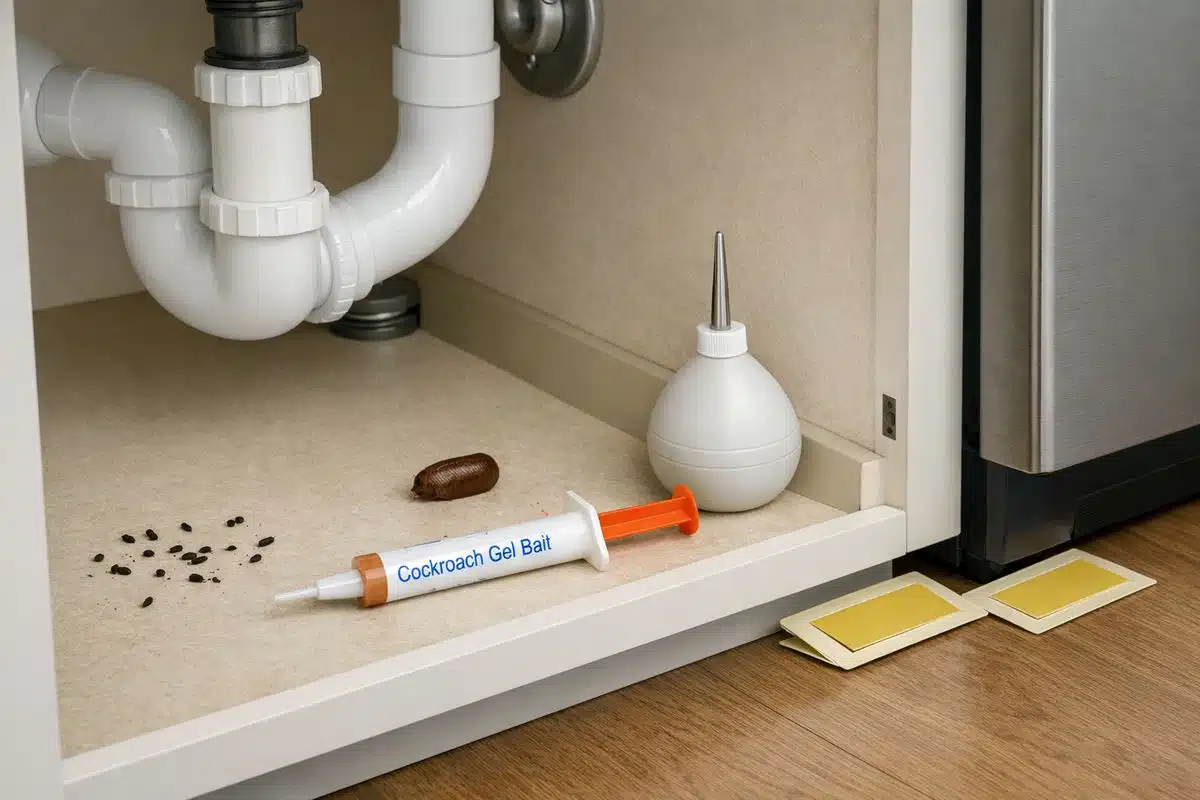
What Should Be Included in a Fair Quote
This is where cheap and complete start to separate.
Inspection and identification
A fair quote usually starts with inspection. Not just a price tossed out over the phone after hearing “roaches in the kitchen.” The company should ask where activity happens, what time of day you see it, whether there are droppings or egg cases, whether nearby units are affected, and what treatment history already exists.
Species identification matters because treatment changes with species. So does source identification. A good quote should reflect where the issue begins, not just where you happened to see one run across the floor. A closer look at what a proper pre-treatment check should include makes that easier to evaluate.
Interior and exterior treatment scope
The scope should be specific. Kitchens and bathrooms should not be assumed, they should be listed. So should garages, foundation lines, attic access if relevant, utility penetrations, weep holes in brick homes, and exterior harborage zones if the infestation has an outdoor source.
If a quote just says “roach treatment” with no detail, you do not actually know what you are buying. Fair pricing is clear pricing. You should be able to picture the work before it starts.
Follow-up visits and monitoring
Serious roach jobs often need more than one visit. That is especially true with German roaches, multi-unit properties, and commercial kitchens. Follow-up may include checking monitors, refreshing bait, treating newly active areas, and verifying that activity is dropping instead of shifting rooms.
The catch is that some low first-visit quotes leave all of that out. Hidden follow-up pricing is common. In Dallas, some German roach jobs may need two to three extra visits at $75 to $150 each. A quote that looks cheap upfront can end up costing more than a fuller proposal that included follow-up from the start.
Warranty or service guarantee
A reasonable guarantee usually means retreatment if needed within a stated window, assuming you completed prep and the property conditions were normal. That is useful. A guarantee full of exclusions is not.
Read the wording. “Guaranteed satisfaction” sounds nice, but “retreatment only for exterior perimeter pests, excludes sanitation-related conditions, moisture issues, neighboring units, and inaccessible areas” tells a very different story. The guarantee should match the service scope, not hide behind it.
A fair quote should reflect the cockroach species, severity of activity, size of the property, treatment areas, preparation requirements, and follow-up visits needed. For help with an active infestation, explore professional cockroach control in Plano, TX.
Why DFW Homes and Buildings Often Need More Than a Quick Spray
DFW gives roaches plenty of chances. Heat keeps pest activity going, humidity supports survival, and heavy rains push outdoor roaches indoors fast. Add slab foundations, aging seals around plumbing lines, brick weep holes, and older construction, and the pressure becomes pretty constant.
That does not mean every job should be expensive. It does mean a bare-minimum spray often fails because it treats the symptom, not the path roaches are using. Exterior pressure, foundation cracks, drainage problems, cluttered sink cabinets, and unsealed entry points all matter here.
Dallas prices also reflect year-round pest activity, which is one reason recurring prevention comes up so often in local quotes. In a market like this, “good enough for now” can get expensive later.
Residential vs. Commercial Roach Exterminator Costs
Property type changes both the price and the standard you should expect.
Single-family homes and townhomes
For most houses and townhomes, pricing tends to be more predictable. A one-time job may be realistic if the problem is limited, the species is easier to control, and the structure does not have major access issues. But if activity is inside the kitchen, baths, laundry, and garage, a short treatment series often makes more sense than pretending one visit will finish it.
Homeowners should expect the quote to account for interior hot spots and exterior pressure together. If it only addresses one side of the problem, it is incomplete.
Apartments, condos, and multi-unit properties
Shared walls change everything. One untreated unit can keep pressure alive, even when your unit was treated correctly. Access coordination also adds labor, and some jobs are priced per unit, some per building, and some in phases based on confirmed activity.
This is why a cheap per-unit number can be misleading. If adjacent units are not inspected or treated when needed, the infestation can boomerang right back. That is not a bargain. It is a delay.
Restaurants, offices, and other commercial spaces
Commercial pricing rises because the stakes and complexity rise. Restaurants deal with drains, grease, food storage, dish areas, receiving zones, and health inspection pressure. Offices may have break rooms, janitorial closets, shared walls, and after-hours access limits.
For food businesses in particular, recurring service is often the right call, not the upsell. Preventive pest programs usually cost less than reactive cleanup, and cutting corners here is expensive in all the wrong ways. If you are evaluating vendors for a food-service property, this breakdown of what to ask a commercial roach provider is worth keeping nearby.
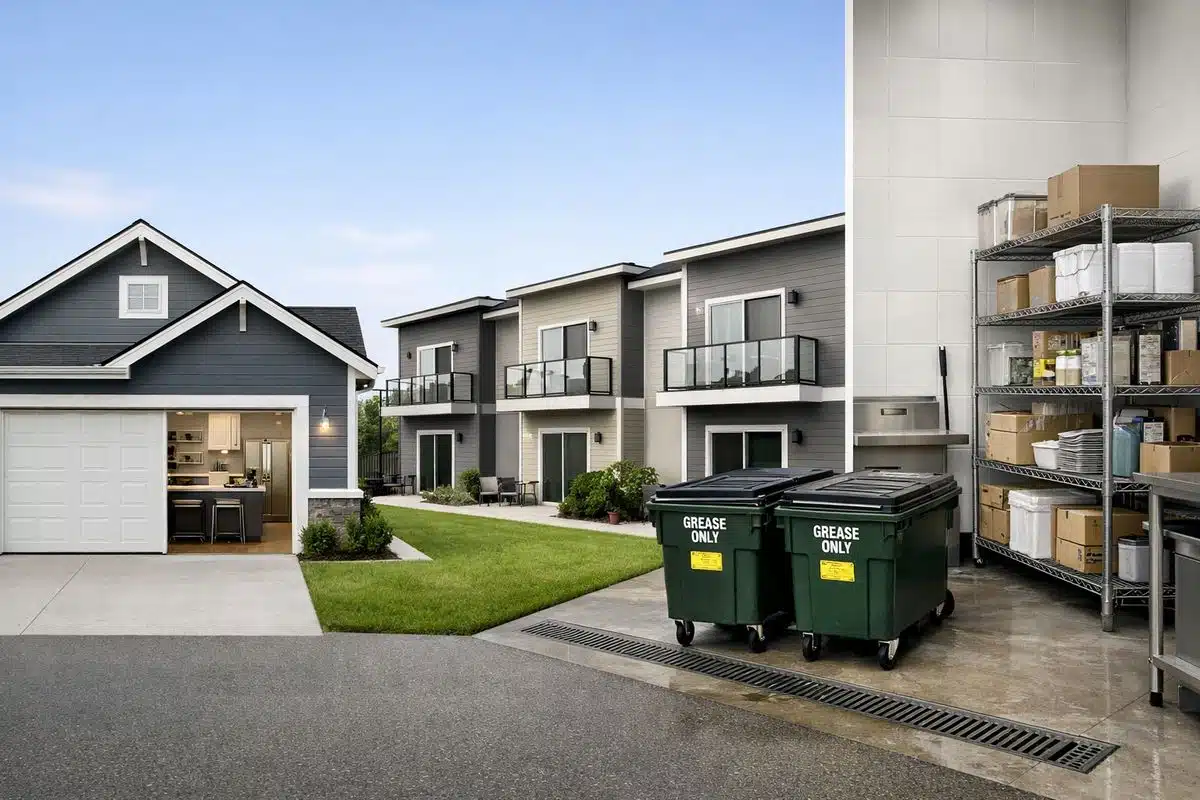
Cheap Quote or Fair Quote? How to Tell the Difference
A good quote feels specific. A bad one feels easy.
Signs a quote is suspiciously low
Low quotes are suspicious when there is no inspection, no species discussion, no written scope, and no mention of follow-up. Another giveaway is “general pest control” sold as if it automatically solves an indoor roach infestation. It often does not.
Watch for promises that sound effortless. “One spray and they’re gone” is not how established roach work usually goes. Neither is “no prep needed” on a heavy kitchen infestation. Cheap numbers often skip the messy parts, which are usually the parts that matter.
Signs a quote may be overpriced
High quotes need evidence. If there is no sign of severe infestation, no explanation for premium methods, and no reason given for multiple high-cost visits, the price may be inflated.
Be especially cautious when fumigation is pushed too early. That is a real service, but it is not the default answer for every property. Fear-based selling is the oldest trick in the book.
Questions worth asking before you book
Ask what species was identified. Ask where the source activity appears to be. Ask exactly what materials or treatment types will be used, how many visits are included, what prep is required from you, and what happens if roaches return in two weeks.
For apartments and condos, ask whether adjacent units should be inspected. For restaurants, ask how drains, storage, and grease zones will be handled. If the answers stay vague, the quote deserves skepticism.
Common Pricing Models You’ll See from DFW Pest Companies
This is where apples-to-apples comparison gets messy.
Flat-rate treatment
Flat-rate pricing is common and often fine. In fact, some Dallas companies note that local pest work is often sold this way rather than hourly. The price can still be fair, but the scope needs to be spelled out clearly.
A flat rate should tell you what areas are covered, what treatment method is included, whether follow-up is built in, and what would trigger extra charges. One clean number is nice. One mystery number is not.
Per-visit plus follow-up charges
This model can look affordable at first. The first visit may be attractively priced, but every callback, monitor check, or bait refresh adds another fee. For simple jobs, that can be reasonable. For established infestations, it can turn into death by invoice.
If you are comparing quotes, calculate the likely full treatment cycle, not just the first stop at your property.
Subscription-style pest plans
General pest subscriptions can be a good value when the service really includes roach control, reasonable retreatment, and preventive work. Some local providers even advertise most treatments at $125 to $350 while also offering lower monthly plans for ongoing coverage.
The trick is reading the limits. Severe indoor infestations often cost extra even when the property is on a standard maintenance plan. Also check contract length, cancellation rules, and whether recurring service includes interior work only on request or by default.
Common Mistakes That End Up Costing You More
Most wasted money in roach control comes from buying the wrong scope, not just paying the wrong price.
Shopping only by the lowest number
The cheapest quote often leaves out follow-up, hard-to-reach treatment areas, or species-specific methods. That can leave you paying twice, first for the cheap miss, then for the real fix.
A fair quote is not the lowest number on the page. It is the one most likely to solve the actual problem.
Treating visible roaches instead of the source
If you are seeing two or more, there are usually more hiding nearby. Roaches stay close to moisture, food, warmth, and protected harborages. That means sinks, appliance voids, wall gaps, drains, utility penetrations, and cluttered storage zones.
Killing the visible ones without dealing with eggs, nesting areas, and entry points is like mopping up water while the pipe is still leaking.
Skipping prep or prevention steps
Prep matters. Fix leaks under sinks. Reduce clutter in cabinets and utility spaces. Seal gaps around pipes and baseboards where practical. Screen brick weep holes when appropriate. Trim vegetation away from exterior walls and improve drainage if water collects near the foundation.
Those steps do not replace treatment, but they make treatment work better and last longer.
How to Choose the Right Roach Exterminator in DFW
Once you understand the pricing, the decision gets simpler.
Look for clear scope, not just a good sales pitch
Compare written treatment plans line by line. What areas are included? What type of treatment is planned? How many visits are included? What timeline should you expect before activity drops?
A confident pitch is easy. A clear scope is harder, and much more useful.
Match the company to the property type
A company that does fine on suburban homes may not be the right fit for a restaurant, warehouse, or multi-family property. The methods, reporting, scheduling, and follow-up expectations are different.
Match experience to the job in front of you, not just the logo on the truck.
Use this week to compare 2, 3 quotes the smart way
Pull out the quotes you already have and compare four things: inspection quality, treatment method, included follow-up, and guarantee. That simple side-by-side view will usually make the cheapest weak quote obvious in about five minutes.
Do that this week before choosing by price alone.
Frequently Asked Questions
How much should a roach exterminator cost in DFW?
For most standard jobs in Dallas-Fort Worth, fair pricing usually falls in the low hundreds. A typical one-time treatment often lands between $100 and $600, with many straightforward residential jobs falling closer to the middle of that range.
Why are some roach quotes so much cheaper than others?
Cheap quotes often leave out inspection, species identification, follow-up visits, or interior baiting and monitoring. A low number is not automatically bad, but if the scope is vague, the quote may only cover a quick spray instead of full roach control.
Is one visit enough to get rid of roaches?
Sometimes, yes, but usually only for light or occasional activity. German roaches, multi-room infestations, shared-wall properties, and commercial kitchens often need more than one visit to break the breeding cycle and confirm the problem is actually dropping.
Do larger homes always cost more?
Usually, but not just because of square footage. Layout, access, clutter, garages, attics, crawl spaces, and the number of active areas can matter just as much as size. A smaller but harder-to-access property can cost more than a larger, simpler one.
Are monthly or quarterly plans worth it for roaches?
They can be, especially for apartments, restaurants, older homes, and properties with repeat pressure. If your issue is isolated and clearly fixable, a one-time or short treatment series may be enough. If pressure keeps coming back, recurring service can cost less than repeated emergency visits.
What should you compare before hiring a company?
Compare the inspection, the identified roach type, the treatment method, the areas included, the number of visits, and the guarantee. If two quotes are far apart in price, the missing piece is usually in one of those categories, not magic savings.
