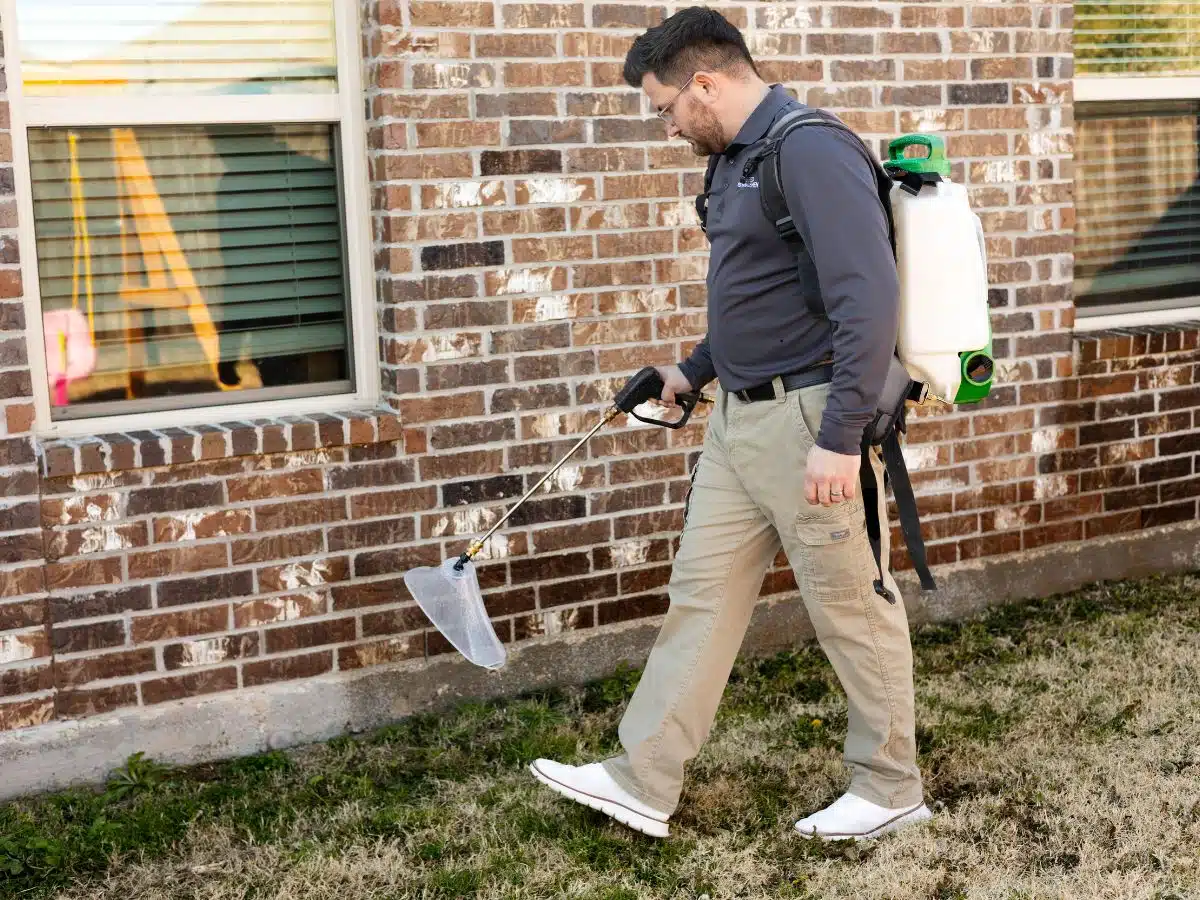
If you have been a customer with us for any length of time, you have probably seen myself or one of our technicians pull up, treat the exterior, maybe service the interior when needed, and head off to the next home. From the outside, it can look pretty straightforward.
But the truth is, every routine pest control visit involves far more inspection, decision making, and prevention work than most homeowners ever see.
I wanted to pull back the curtain and walk you through exactly how we approach general pest control, what our technicians are trained to look for, and how this process protects your home long term, not just for today.
This is the same mindset we use whether we are servicing a long-time customer or evaluating a brand-new home.
General Pest Control Is About Prevention First
A lot of pest control companies focus almost entirely on spraying product. While spray treatments absolutely matter, product alone does not solve pest problems long term.
Our general pest control service is built around one core principle: stop pests before they become a problem.
That means our technicians are constantly inspecting, evaluating, and adjusting based on what they see at your home, the season, and pest pressure in your area.
Every visit is a moving target, not a one-size-fits-all routine.
Watching for Early Ant Activity (as Well as Other General Pests)
One of the most common things our technicians monitor is ant activity, especially ant trails.
Ants communicate using chemical trails that lead others straight to food and water sources. Once a trail is established, it can quickly turn into dozens or hundreds of ants entering your home.
During routine service, we look for:
- Active ant trails along foundations, sidewalks, and landscaping
- Entry points where ants are gaining access inside
- Early scouting activity that often appears before a full infestation
Catching ants at this stage allows us to break the trail and prevent the problem from ever reaching your kitchen or bathrooms.
If ants are a recurring concern for you, you can learn more on our dedicated ant control service page, which explains treatment options and prevention in more detail.
Inspecting for Wasps, Mud Daubers, and Spider Activity
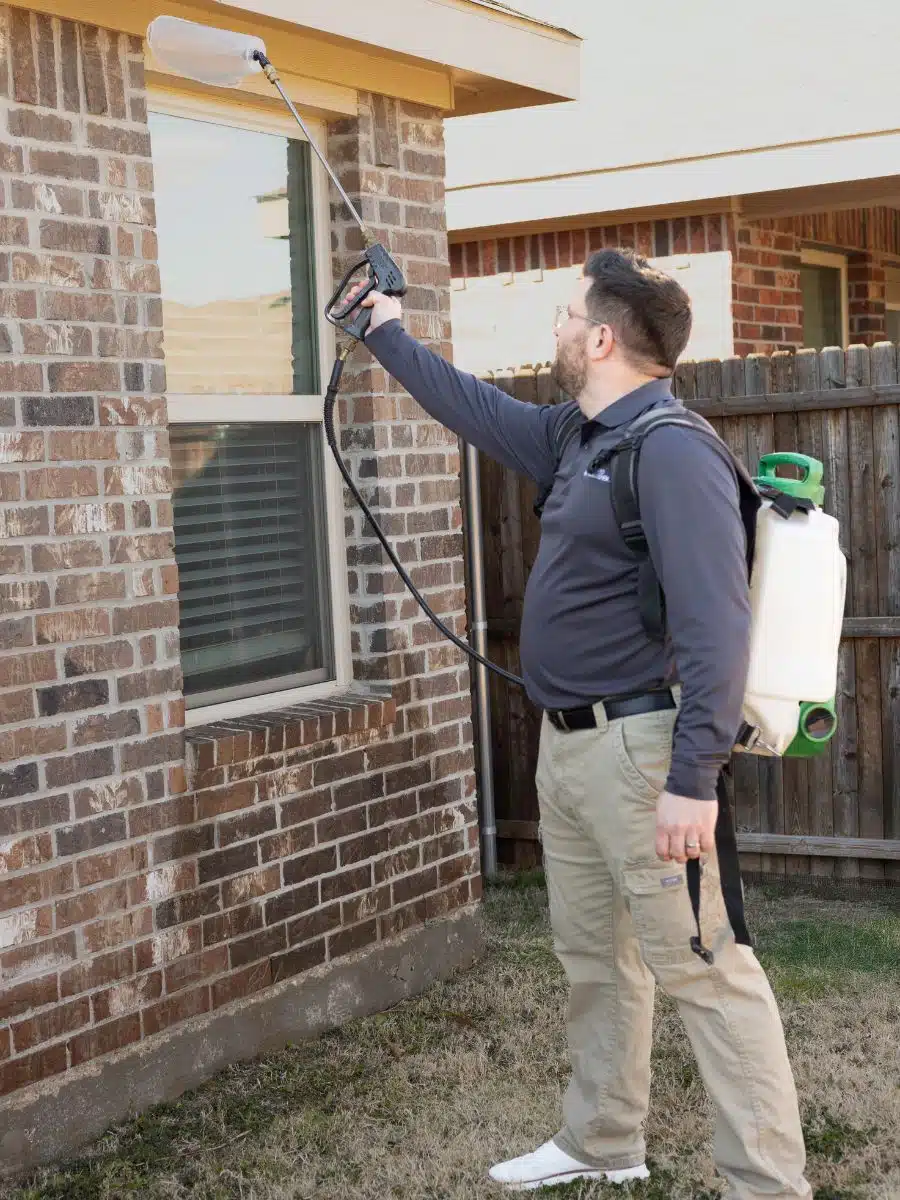
Another key part of every visit is inspecting the exterior for signs that pests are getting comfortable around your home.
We routinely check:
- Eaves and soffits
- Door frames and window trim
- Corners where spider webbing forms
- Garage exteriors and overhangs
Wasps and mud daubers often start with small, easy-to-miss nests. Spiders tend to build where insects are already active, making webbing an early warning sign of broader pest pressure.
Removing nests early and reducing insect populations around entry points dramatically lowers the chance of stings, infestations, or pests moving indoors.
If stinging insects are a frequent issue, our wasp and hornet control service goes deeper into species-specific behavior and solutions.
Constant Awareness for Termite Activity

Termites are one of the most destructive pests in North Texas, and they often go unnoticed until serious damage has already occurred.
Our technicians are trained to look for subtle signs most homeowners would never catch, including:
- Mud tubes along foundations or plumbing penetrations
- Changes in soil or foundation edges
- Conditions that favor termite activity, such as excess moisture
While general pest control does not replace a full termite treatment, early detection is critical. Spotting activity early can mean the difference between a manageable treatment and costly structural repairs.
If you want a deeper explanation of termite risks and treatment options, our termite treatment page walks through everything homeowners should know.
Identifying Conducive Conditions That Attract Pests
Pests do not show up randomly. They are drawn to environments that support food, water, and shelter.
During every service, we evaluate conditions around your home that make pest activity more likely, including:
- Standing water or drainage issues
- Overgrown landscaping touching the structure
- Cluttered storage areas
- Mulch or debris against the foundation
- Moisture issues around AC units or plumbing
These conditions often drive seasonal pest problems like ants, mosquitoes, rodents, termites, and cockroaches.
Addressing these issues early, even with small adjustments, can drastically reduce pest pressure over time.
For example, if standing water is present, we may recommend learning more about mosquito control options, especially during warmer months when mosquito populations explode.
Checking Entry Points Pests Use to Get Inside
One of the most important parts of our general pest control service happens before any product is applied.
Our technicians are trained to look for the small gaps and weaknesses pests use to enter your home, such as:
- Worn window seals
- Gaps under garage doors
- Door thresholds that no longer seal properly
- Utility line penetrations
- Cracks in siding or brick joints
Most pests do not need much space to get inside. Sealing these entry points is one of the most effective long-term pest prevention strategies available.
When we identify these areas, we document them and recommend practical fixes that help keep pests out permanently.
How Treatments Are Applied Strategically
Once inspection and evaluation are complete, treatments are applied strategically based on what is actually happening at your home.
This includes:
- Exterior barrier treatments where pests are active
- Targeted applications around entry points
- Interior treatments only when needed
- Adjustments for weather, season, and pest behavior
The goal is not to apply as much product as possible. The goal is to apply the right product, in the right place, at the right time.
This approach is safer, more effective, and far more sustainable over the long term.
Why Routine Service Matters Even When You Do Not See Pests
One of the most common questions we hear is, “If I am not seeing bugs, do I still need service?”
The honest answer is yes.
Most successful pest control happens before pests become visible. By the time pests are obvious, they are already established.
Routine service allows us to:
- Monitor changing conditions
- Adjust treatments proactively
- Catch issues early
- Maintain protective barriers around your home
This is how we help customers avoid emergencies rather than react to them.
When General Pest Control Leads to Additional Services
During routine visits, we sometimes identify issues that fall outside general pest control.
This might include:
- Active termite concerns
- Heavy mosquito pressure
- Rodent activity in attics or garages
- Wildlife entry points
- Flea or tick issues tied to pets or wildlife
When that happens, our job is to educate you, not pressure you. We explain what we see, why it matters, and what options are available if you want to take action.
You can always explore these services on your own, including:
Our Goal Is Long-Term Protection, Not Short-Term Fixes
Everything we do during a general pest control visit is designed to protect your home long term.
We are not just treating what is visible today. We are:
- Preventing future infestations
- Reducing conditions that attract pests
- Helping you avoid costly damage
- Creating a healthier home environment
If you ever have questions about a technician note, recommendation, or service option, we want you to ask. An informed homeowner is a protected homeowner.
Frequently Asked Pest Control Questions
What pests are covered under your general pest control service?
Our general pest control service focuses on the most common household pests, including ants, spiders, roaches, earwigs, silverfish, and other occasional invaders. Each visit is customized based on what we are seeing at your home and what pests are active during that season.
Some pests, like termites, rodents, mosquitoes, and wildlife, require specialized treatment plans and are handled as separate services if needed.
Do you treat the inside of my home every visit?
Not always, and that is intentional.
Our primary focus is preventing pests from getting inside in the first place. Exterior treatments, entry point protection, and habitat reduction do most of the heavy lifting.
Interior treatments are performed when:
You report activity inside
We identify a specific issue during inspection
A targeted interior application is needed for control
This approach minimizes disruption while maximizing long-term results.
Is your pest control safe for kids and pets?
Yes. All treatments are applied by trained technicians following label guidelines and industry best practices.
We also focus heavily on placement and timing, applying products where pests travel and harbor, not where people and pets live their daily lives. If you ever have specific concerns, our technicians are happy to explain what is being used and why.
What happens if you find termites during a routine visit?
If we notice signs of termite activity or conditions that favor termites, we will document what we see and notify you right away.
General pest control does not replace a full termite treatment, but early detection is critical. From there, we can walk you through your options and explain how our termite treatment service works so you can make an informed decision.
What if mosquitoes are still bad around my yard?
General pest control helps reduce insects around the structure, but mosquitoes usually require a dedicated approach.
If mosquitoes are a concern, especially during warmer months, we may recommend learning more about our mosquito control service, which focuses on breeding areas, resting sites, and ongoing population control around your yard.
Have Other Questions About Your Service?
If something catches your attention on a service report, or if you are curious about an additional service, reach out anytime. We are always happy to explain what we are seeing, why it matters, and what makes the most sense for your home.
Your trust matters to us, and transparency is a big part of how we earn it.
