
Weep Holes Explained: Why They're Important and How Pests Use Them
Understanding Weep Holes on Brick Homes
If your home has a brick exterior, you’ve probably noticed small openings near the bottom of the brick wall. These openings are called weep holes, and they’re an intentional part of your home’s construction.
Many homeowners assume these openings are defects or places that should be sealed. In reality, weep holes serve an important purpose by allowing moisture that collects behind the brick veneer to drain and helping air circulate inside the wall system.
While they help protect your home from water damage, weep holes can also become convenient entry points for insects and other pests if conditions around your home encourage pest activity.
What Are Weep Holes?
Brick veneer homes are built with a small air space between the brick and the structural wall behind it. Rainwater that passes through the brick needs a way to escape, and weep holes provide that drainage.
Without them, moisture could become trapped inside the wall, increasing the risk of mold, wood deterioration, and other moisture-related problems.
Most weep holes are located:
- Along the bottom row of brick.
- Above windows and doors.
- Above garage doors.
- Above foundation ledges.
- Along retaining walls constructed with brick.
Because they are open to the outside, they also create opportunities for certain pests to explore the wall cavity.
Why Pests Are Attracted to Weep Holes
Weep holes themselves don’t cause pest problems.
Instead, they provide access when nearby conditions attract insects or rodents.
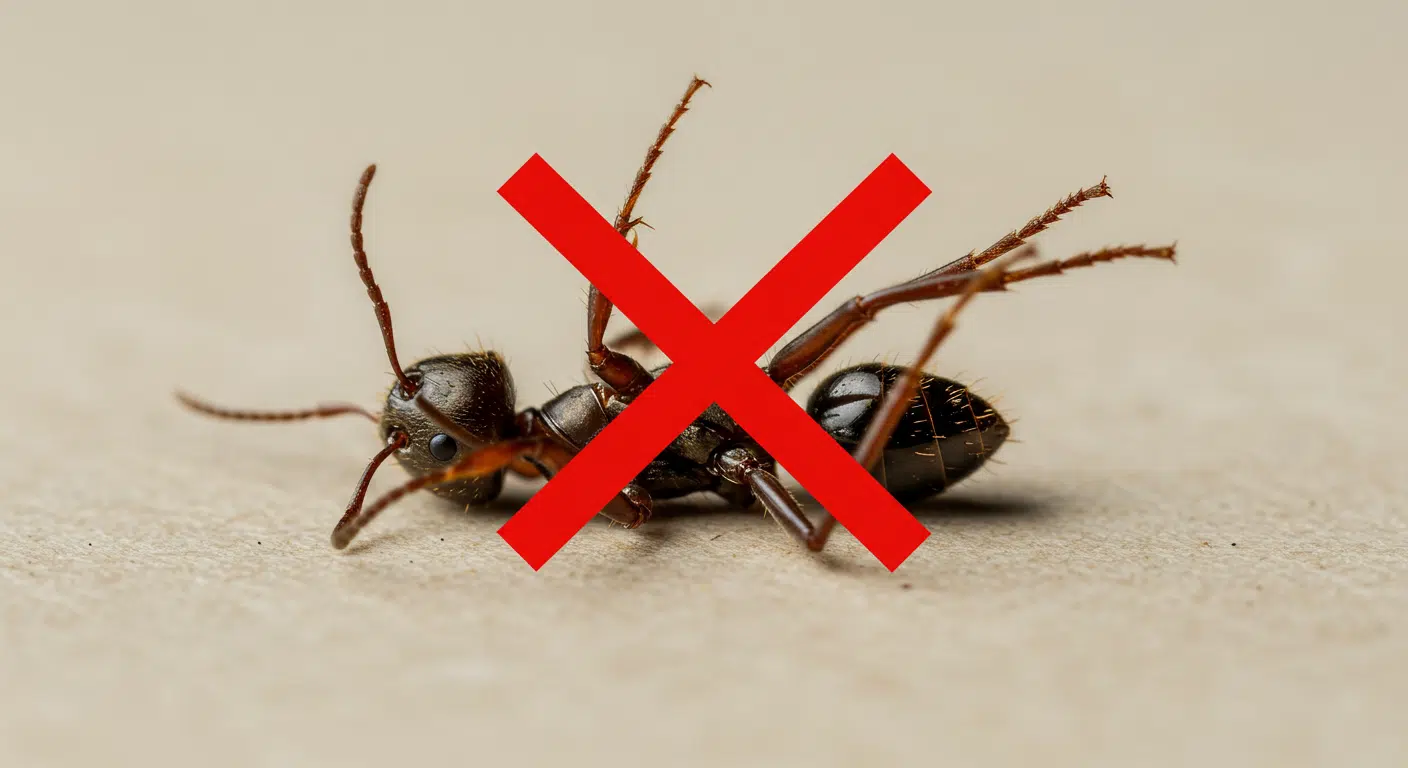
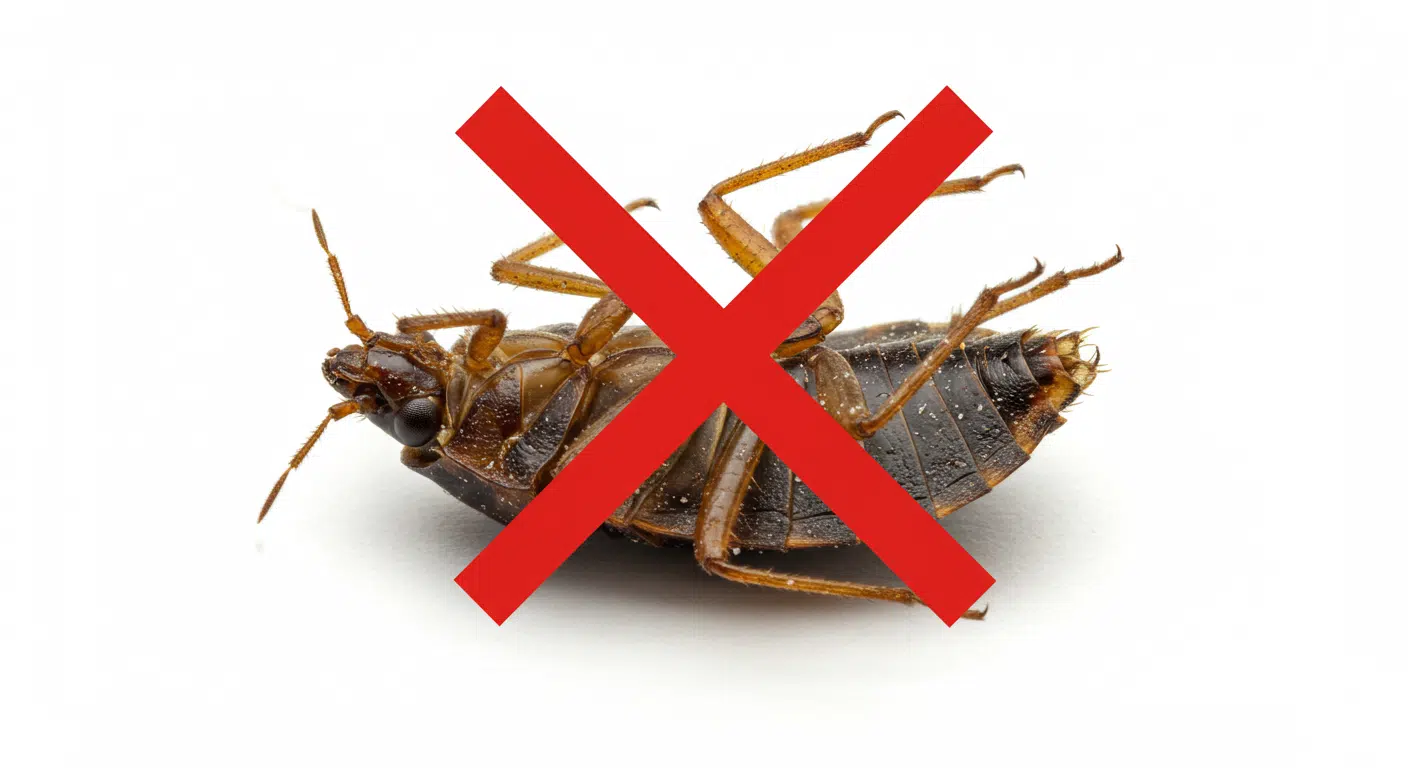
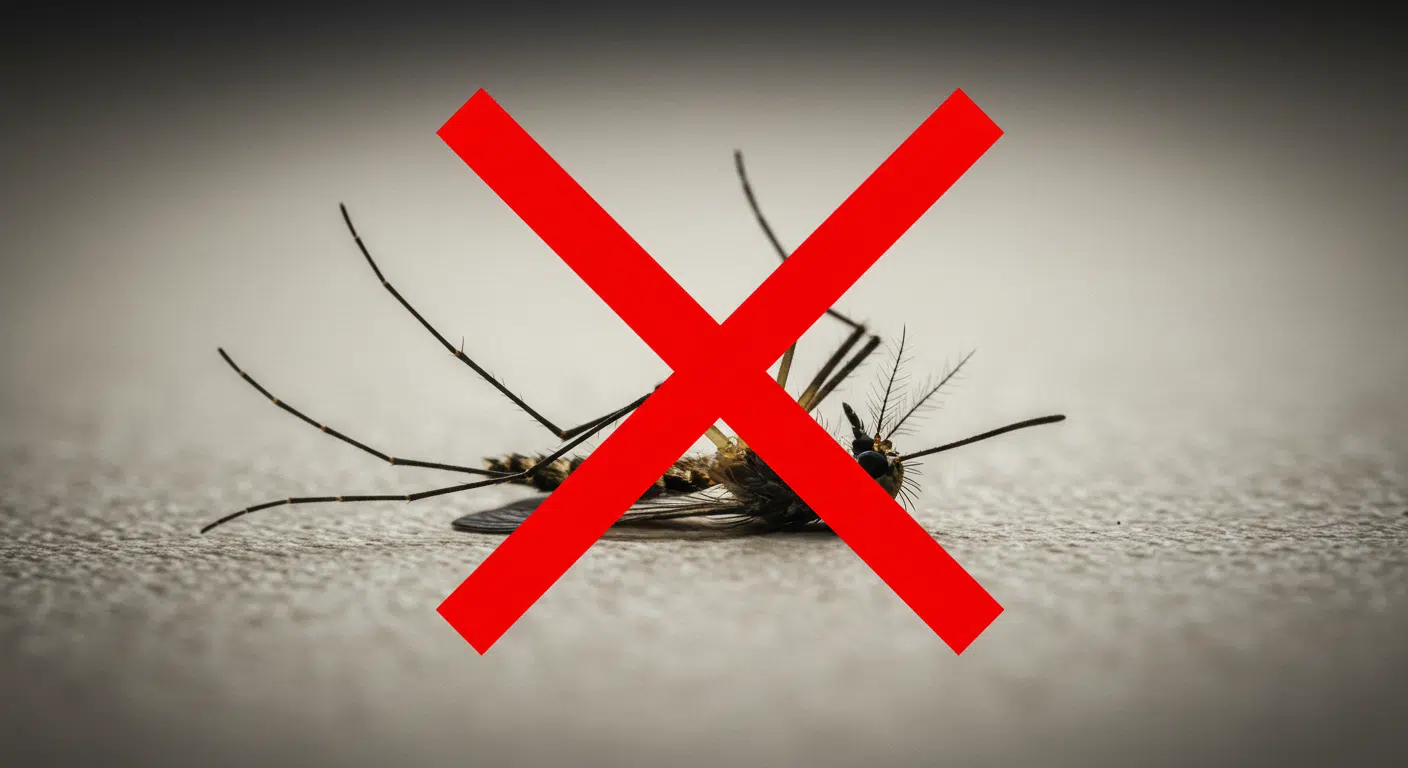
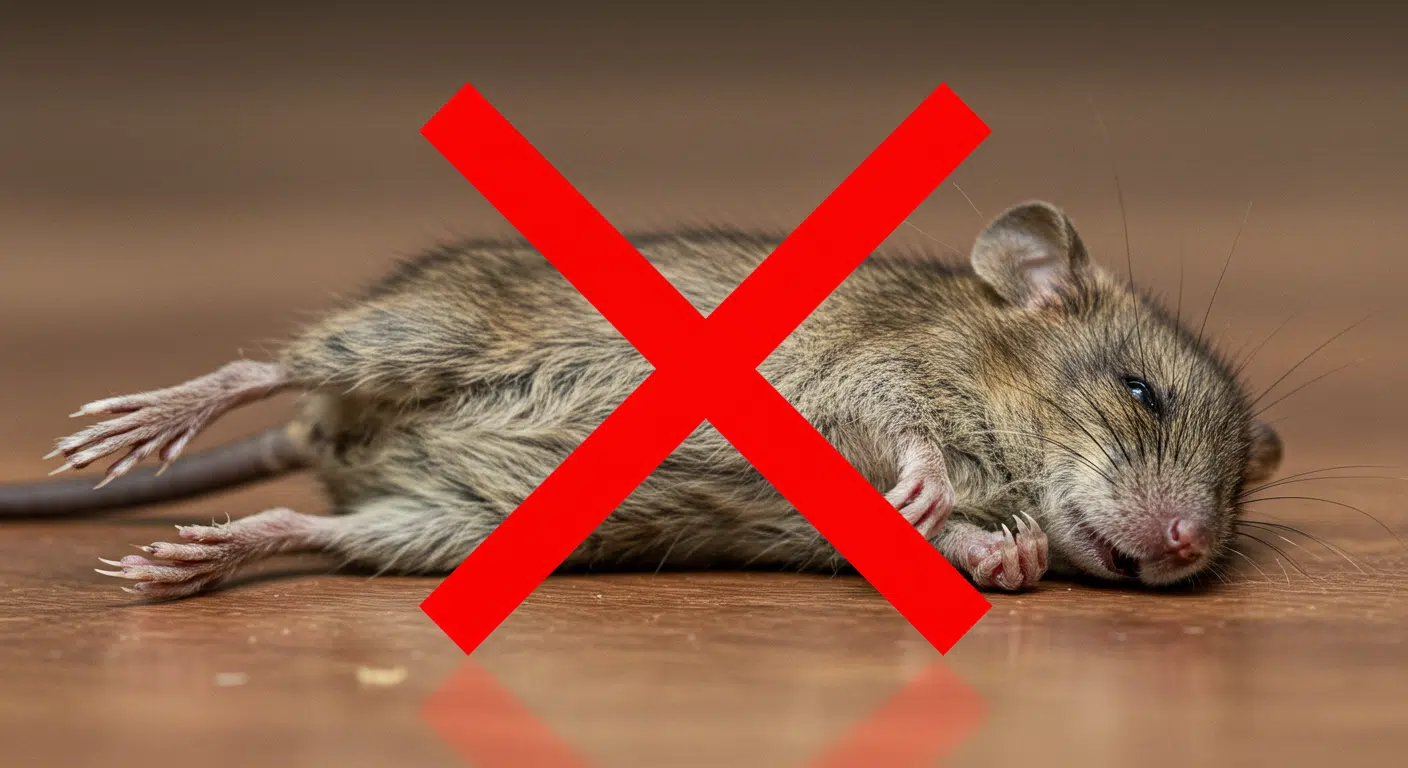
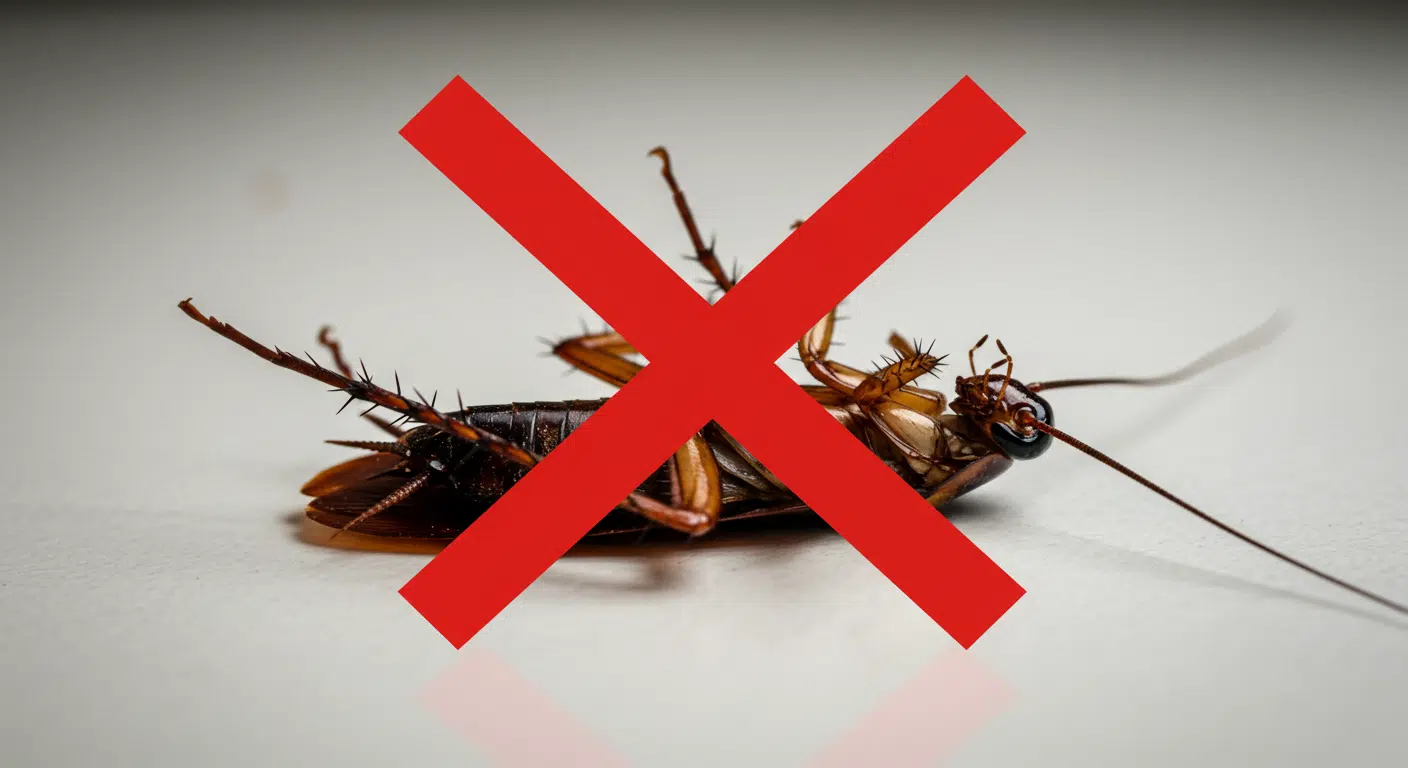
Some of the most common pests found entering through or around weep holes include:
- Ants
- Cockroaches
- Spiders
- Earwigs
- Crickets
- Occasional rodents
Homes with heavy mulch, dense landscaping, excessive moisture, or leaf debris around the foundation often experience greater pest pressure.
Common Conditions That Increase Pest Activity

Mulch Against the Foundation
Thick mulch helps retain moisture and creates a cool, protected environment for insects. When mulch covers or sits directly below weep holes, pests have easy access to the wall cavity.

Dense Shrubs and Ground Cover
Bushes and ornamental plants growing against exterior walls provide shelter while allowing insects to move unnoticed along the foundation.
Keeping vegetation trimmed away from the home improves airflow and makes pest activity easier to spot.

Standing Water
As temperatures begin to cool, many pests start looking for protected places to spend the winter. This often leads directly into homes.

Leaf Litter
Leaves, pine needles, and other organic debris trap moisture while providing shelter for insects.
Regular cleanup around the home’s perimeter helps reduce hiding places.
Should You Seal Weep Holes?
In most situations, no.
Blocking weep holes can prevent moisture from draining properly and may create more serious problems than the pests you’re trying to keep out.
Instead of sealing them completely, homeowners should focus on reducing conditions that attract pests around the home’s foundation.
If additional protection is desired, specially designed stainless steel or plastic weep hole covers can help discourage insects while still allowing water to drain. These products should be installed carefully so they don’t interfere with the intended function of the weep hole.
How to Reduce Pest Activity Around Weep Holes
Simple maintenance can make a significant difference.
- Keep mulch several inches away from the foundation.
- Trim shrubs and plants away from exterior walls.
- Remove leaf litter regularly.
- Repair leaking faucets and irrigation systems.
- Keep gutters and downspouts draining properly.
- Eliminate standing water whenever possible.
- Inspect the exterior of your home several times each year.
These steps help reduce the conditions that attract pests before they begin looking for entry points.
What Happens During a Professional Inspection?
During an exterior inspection, a pest professional typically looks for conditions that may increase pest activity around the home.
This may include checking:
- Weep holes
- Expansion joints
- Utility penetrations
- Garage door seals
- Foundation cracks
- Window and door gaps
- Landscaping against the home
- Moisture issues
- Evidence of insect or rodent activity
The goal isn’t simply to identify pests, but to locate the conditions that allow them to become a recurring problem
Signs That Pests May Be Using Weep Holes
While it’s not always obvious where pests are entering, homeowners should watch for:
- Ant trails along brick walls.
- Cockroach activity near the foundation.
- Spider webs concentrated around brick openings.
- Small piles of insect debris.
- Rodent droppings near exterior walls.
- Increased insect activity after heavy rain.
If these signs continue despite routine maintenance, a professional inspection may help identify hidden entry points.
Don't Take Our Word For It. Read What Over 140 Happy Customers Say About Our Service
EXCELLENT
Weep Holes and New Construction
Even newly built homes have weep holes, and that’s a good thing.
New construction is not immune to pest activity. Landscaping is still maturing, soil continues to settle, and nearby construction can disturb insect colonies and rodent habitats.
Routine inspections during the first few years of homeownership can help identify developing issues before they become larger problems.
Frequently Asked Questions
Can insects fit through weep holes?
Yes. Many common insects are small enough to enter wall cavities through weep holes if conditions around the home attract them.
Should I fill weep holes with caulk or foam?
No. Weep holes are designed to allow moisture to drain. Blocking them can interfere with the way your brick veneer system functions.
Do all brick homes have weep holes?
Most modern brick veneer homes include weep holes as part of the drainage system, although their appearance and spacing may vary.
Will weep hole covers stop all pests?
No. They may discourage some insects while allowing drainage to continue, but they should be considered only one part of an overall pest prevention strategy.
What is the best way to prevent pests around weep holes?
Good drainage, proper landscaping, moisture control, and routine pest inspections are generally more effective than attempting to block the openings themselves.
Protect Your Home Year-Round
Weep holes are an important part of your home’s design and should remain open to perform their intended function. Rather than sealing them, the best approach is to reduce the conditions that attract pests around your home’s exterior.
Preferred Pest Management helps homeowners throughout Plano, Murphy, Richardson, Sachse, and Rowlett identify pest entry points, reduce conducive conditions, and develop practical, long-term pest prevention strategies that protect homes throughout every season.