Rodent Control Dallas, TX
Dallas is a city of distinct neighborhoods, older homes, new builds, and everything in between. That variety is great for homeowners, but it also creates plenty of opportunities for rodents to find shelter.
If you are hearing movement in the attic, noticing droppings in a garage, or dealing with repeat activity around entry points, you are not alone.
Preferred Pest Management provides residential rodent control in Dallas, TX focused on the root cause of the issue. We do not rely on quick fixes. Our approach emphasizes inspection, identification, exclusion, and prevention, because long-term protection is what matters.
If your first thought is “something is in my attic, what do I do,” you are in the right place. This page explains what to look for and how professional rodent control helps Dallas homeowners get their homes back.
Schedule Your Rodent Control Service
Why Rodent Problems Are Common in Dallas Homes
Dallas has many factors that increase rodent pressure.
- Neighborhood density means food sources are always nearby.
- Older rooflines and utility penetrations can create small access points.
- Mature trees and fence lines provide climbing routes to roof edges.
- Detached garages, alley access, and crawl spaces vary widely across the city.
From Lake Highlands and East Dallas to areas near Love Field, Preston Hollow, Oak Cliff, and North Dallas subdivisions, rodent issues can show up in different ways. Some homeowners notice attic noise. Others notice activity near garages, sheds, or pantry areas.
Rodent control in Dallas requires a plan that matches the structure, the access points, and the type of activity present.
Rodents We Commonly Identify During Dallas Inspections
Correct identification keeps the plan efficient. This page stays high-level so we do not overlap with your dedicated services.
Rats
Rats are a common source of attic and garage activity in Dallas. Homeowners often report nighttime movement, droppings in storage areas, or disturbed insulation.
If you already know rats are the issue, your dedicated Dallas rat removal page is here.
Mice
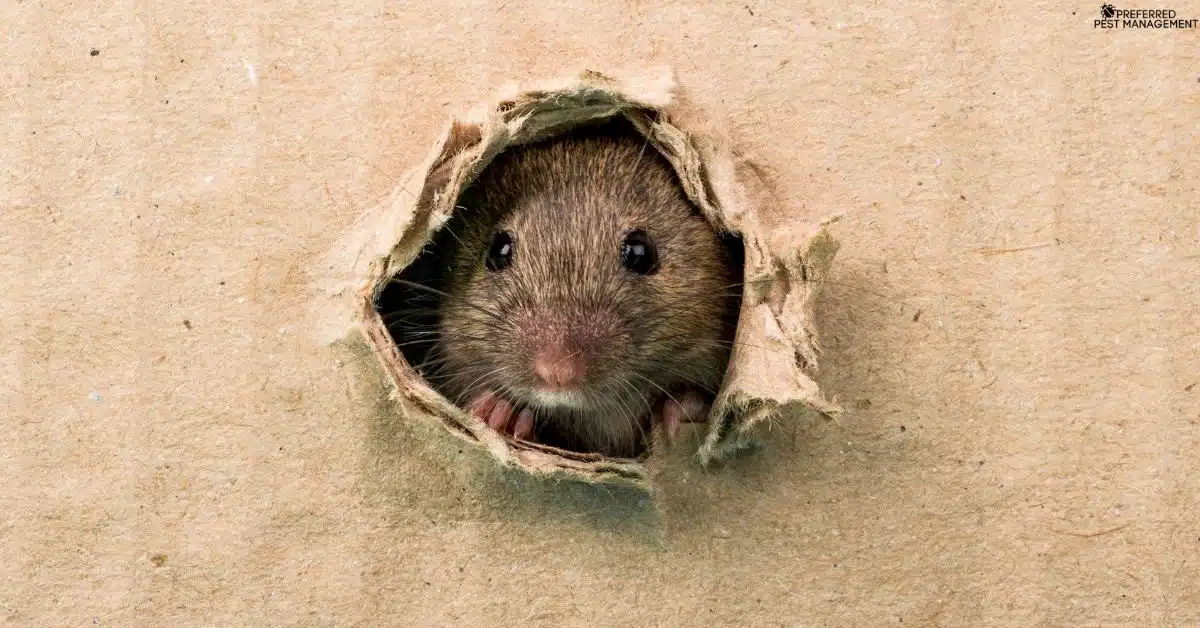
Mice can enter through very small gaps around doors, siding transitions, and utility penetrations. Their activity can spread quickly, which is why early identification and exclusion are important.
Squirrels
Squirrels can create loud daytime attic movement and often enter gaps or damaged vent areas.
If the issue appears to be squirrels, your dedicated Dallas squirrel removal page is here.
Signs You May Have a Rodent Problem in Dallas
Many homeowners are not sure what the animal is at first. These signs can help you decide when to schedule an inspection.
- Scratching or scurrying sounds in the attic or walls
- Droppings in garages, kitchens, pantries, or attic spaces
- Chewing damage on stored items or insulation
- Odors from enclosed spaces
- Pets staring at ceilings or attic access points
- Repeated activity near roofline edges, vents, or soffits
If you have noticed any of these, the best next step is a professional inspection.
What to Do If You Suspect Rodents in the Attic
Homeowners often want practical guidance.
- Do not disturb the attic. Moving items can spread activity.
- Note the timing of noises. Daytime versus nighttime can provide clues.
- Look for exterior gaps around vents and soffits from the ground.
- Schedule an inspection so entry points and activity zones can be confirmed.
Long-term rodent control depends on identification and exclusion.
Our Rodent Control Process for Dallas Homes
We treat rodent control as a system, not a one-time event.
Step 1: Detailed Inspection
We inspect attic spaces, roofline transitions, exterior penetrations, garage edges, and common access zones. This identifies how rodents are entering and where activity is concentrated.
Step 2: Identification
Identification ensures the right strategy. The plan depends on whether the issue is rats, mice, squirrels, or a combination.
Step 3: Targeted Removal Plan
Once we confirm the situation, we implement a removal plan designed for your home. We also explain what you should expect over the next days and weeks.
Step 4: Exclusion and Sealing
Exclusion is the most important part of long-term rodent control. We locate and seal the entry points that allow rodents inside. Without sealing, activity often returns.
Step 5: Prevention and Follow-Up
We provide prevention guidance tailored to your structure and neighborhood. Follow-up may be recommended depending on the severity of the issue.
Common Rodent Entry Points We See in Dallas
Dallas homes vary widely, but these are frequent problem areas.
- Roof vents and attic penetrations
- Soffit gaps and fascia transitions
- Utility lines and HVAC penetrations
- Garage door corners and weather stripping failures
- Tree limbs creating roofline access
- Detached garages or sheds with open gaps
A rodent can use a surprisingly small opening, which is why exclusion matters.
Why DIY Rodent Control Often Falls Short
DIY attempts usually focus on visible symptoms. Catching one animal does not stop the flow if entry points are still open.
DIY approaches commonly fail when:
- The wrong animal is assumed
- Nesting areas are missed
- Access points are not sealed
- Activity returns through the same roofline gaps
Professional rodent control is designed to solve the full issue.
Risks of Leaving Rodent Activity Untreated
Rodent issues typically grow rather than resolve.
Property Damage
Rodents chew to maintain teeth, which can damage insulation, wood, stored items, and wiring.
Safety Concerns
Chewed wiring can create electrical issues. Nesting and contamination in attics can also affect comfort and indoor air quality.
Higher Repair Costs
Early inspections and exclusion often cost less than repairing extensive attic or wiring damage later.
Rodent Control vs Rat Removal vs Squirrel Removal in Dallas
Rodent control is the best option when you are not sure what animal is present or when there may be more than one issue. It emphasizes inspection, identification, exclusion, and prevention.
Rat removal is a focused service when rats are clearly identified.
Squirrel removal is appropriate when loud daytime attic activity points to squirrels and exclusion is needed at roofline entry points.
Frequently Asked Questions About Rodent Control in Dallas, TX
How much does rodent control cost in Dallas?
Pricing depends on the type of activity, the extent of the issue, and how much exclusion work is required. A free inspection helps confirm the best plan and provides a clear quote.
What rodents are most common in Dallas?
mice, and squirrels are commonly identified during Dallas inspections. Identification helps match the service to the problem.
Do you seal entry points during rodent control?
Yes. Exclusion and sealing are key parts of long-term rodent control and help prevent rodents from returning.
When is rodent season worst in Dallas?
Rodent activity often increases in fall and winter as animals seek warmer shelter indoors, but issues can occur year-round.
Why Choose Preferred Pest Management for Rodent Control in Dallas
Dallas homeowners choose Preferred Pest Management because we focus on long-term solutions. We start with inspection, confirm the issue, and emphasize exclusion and prevention.
We also keep the process clear and straightforward. You will know what we found, what the plan is, and how we will help reduce the risk of return.
For full service options in the city, visit our Dallas home page.
Schedule a Free Rodent Inspection in Dallas Today
If you suspect rodent activity in your attic or home, do not wait for the problem to escalate. Early action helps reduce damage and restore peace of mind.
Call Preferred Pest Management today to schedule a free rodent inspection in Dallas, TX. We will identify what is going on, explain the best next steps, and help secure your home with our exclusion service.