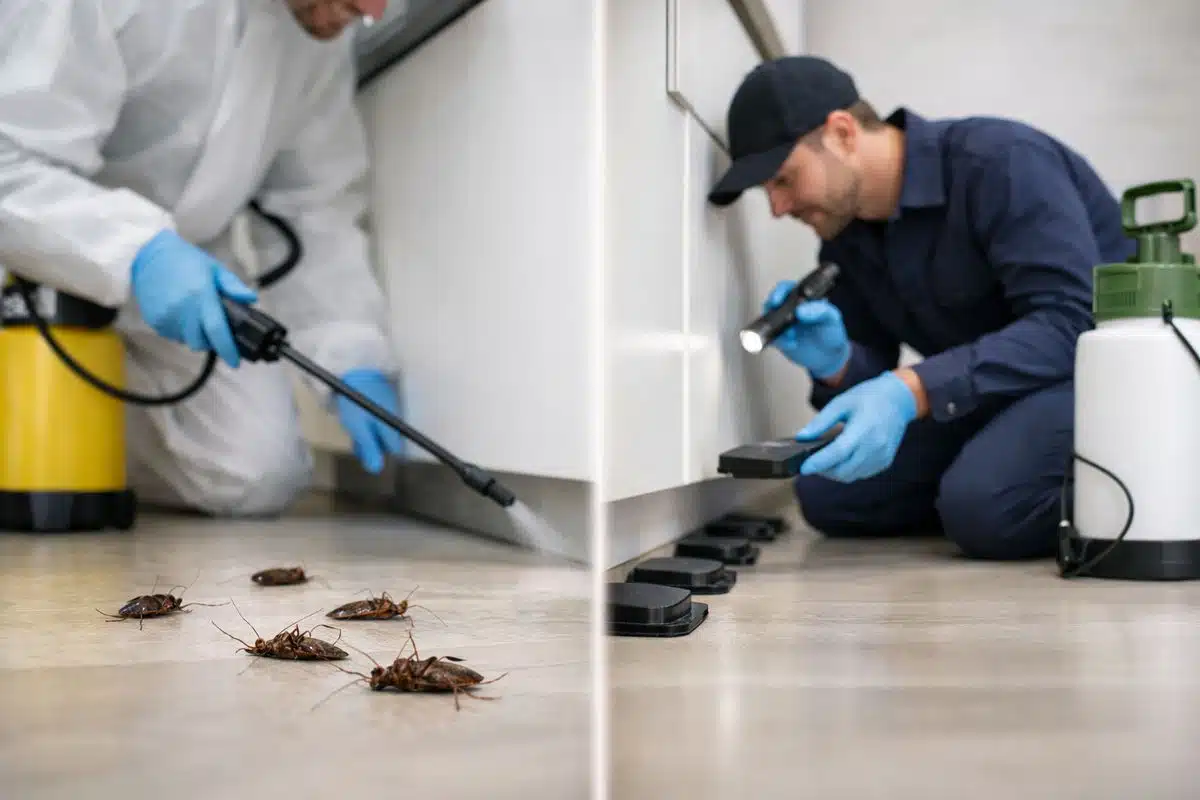
If you’re comparing a one time roach treatment with an ongoing plan, you’re already past the easy part. The real question is not which option sounds cheaper today, but which one actually gets roaches out of your kitchen, break room, unit, or dining area and keeps them out long enough to matter.
Quick Answer: Which One Wins for Your Situation?
Here’s the short version: a one time roach treatment can work if the problem is truly small, recently noticed, and limited to one area. Ongoing service wins most of the time once German roaches enter the picture, sightings keep happening, activity shows up in daylight, or your property has shared walls, steady moisture, or higher stakes.
That’s the part a lot of quotes dance around.
If you’ve got a detached home, saw a couple of roaches near one sink, and moved fast, one visit may be enough. If you manage apartments, run a restaurant in DFW, or keep seeing roaches after sprays and cleanups, recurring service is usually the safer call and often the cheaper one in the long run.
The deciding factors are pretty simple: species, infestation size, layout, and what happens after the first visit. Roach control is not like fixing a squeaky hinge. If the colony is tucked behind a fridge wall or moving through pipe gaps from the next unit over, one appointment can look successful for a week and then fall apart.
What “One-Time Roach Treatment” and “Ongoing Service” Actually Mean
A lot of confusion starts with the names. “One-time” sounds like complete elimination in one shot. Sometimes that happens. Often, it just means one scheduled visit, one invoice, and limited follow-up unless you pay again.
“Ongoing service” does not have to mean endless monthly spraying. In a good plan, it means inspection, treatment, monitoring, and follow-up based on actual activity. That difference matters.
What a one-time roach treatment usually includes
A one time roach treatment usually starts with an inspection, then a targeted treatment in the areas where activity is found. That may include bait placements, crack-and-crevice applications, dust in wall voids, and maybe an insect growth regulator, which is a product that interferes with reproduction and development.
You’ll often get basic prep or cleanup advice too, such as fixing leaks, storing food in sealed containers, and reducing clutter under sinks or behind appliances.
The catch is follow-up. A lot of one-time services either do not include it at all or offer a short warranty window. Some light German roach jobs fall into a $100 to $600 range depending on severity, but that price may only cover the initial work and maybe a brief callback period.
What ongoing roach service usually includes
Ongoing service is built differently because it assumes the first visit may not be the last move. You get the initial inspection and treatment, but also rechecks, trap monitoring, bait refreshes, retreatments where activity continues, and prevention work over time.
That matters because roaches do not all come out on command. Eggs hatch later. Hidden harborages get missed. Activity shifts from one cabinet bank to another. In a recurring plan, those changes get tracked instead of ignored.
For the right property, that turns roach control from a stressful fire drill into a managed process.
Inspection and Diagnosis
The inspection is where cheap service often reveals itself. If the visit starts and ends with a quick spray around the baseboards, you’re not really getting roach control. You’re getting motion.
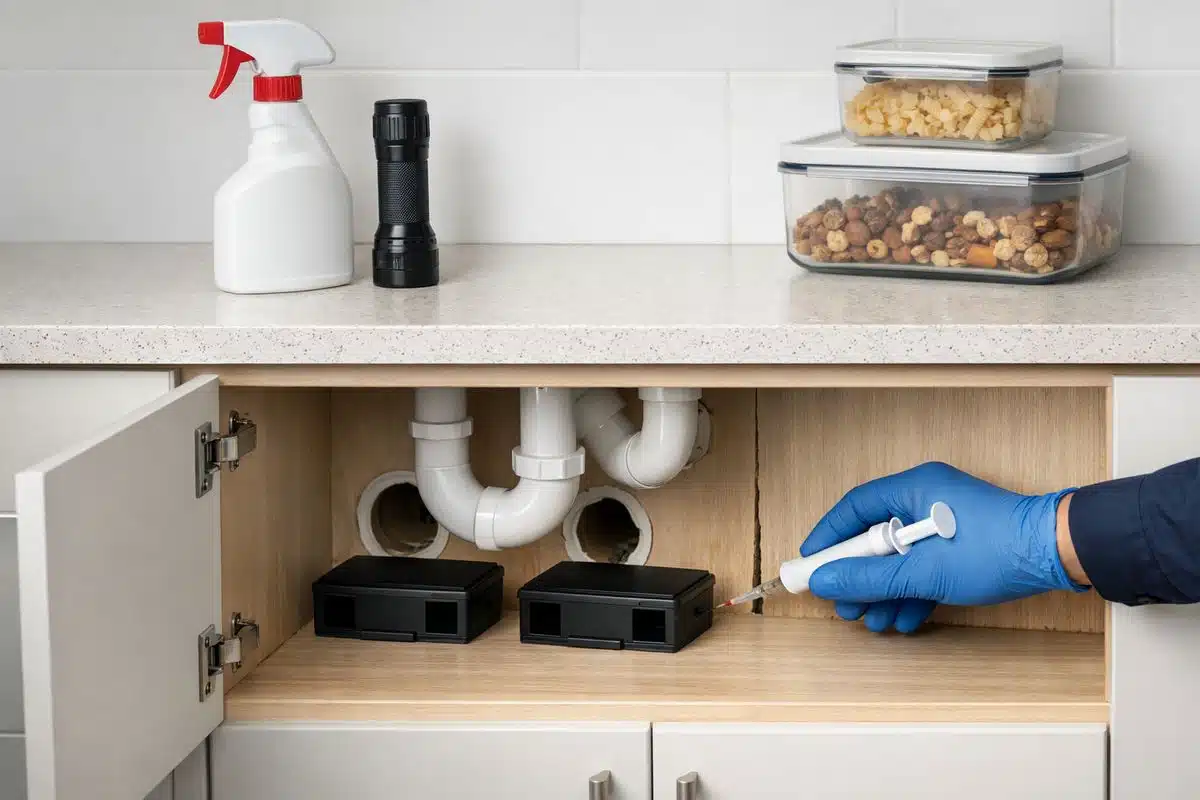
A useful treatment starts with figuring out which roach you have, where the activity is centered, how heavy it is, and what conditions are helping it stick around. That’s why a proper look at treatment prep and inspection points matters before anyone talks price.
Why species matters more than most people expect
Not all roaches behave the same way. American roaches are bigger, often tied to drains, sewer lines, garages, crawl spaces, and outdoor movement. Smoky brown roaches commonly come in from outside, especially around moisture, mulch, leaf litter, or attic access points. German roaches are the real troublemaker indoors.
German roaches live close to food, heat, and moisture. Think behind the microwave, under the dishwasher, around the coffee station, inside motor housings, and along cabinet hinges. One female can produce 240 to 320 offspring in a lifetime, and one egg case can hold 30 to 40 nymphs. That’s why the species question changes the answer so fast.
If your quote doesn’t mention species, that’s a problem.
What a solid inspection should look like
A real inspection checks behind and under appliances, under sinks, around pipe penetrations, inside lower and upper cabinets, behind kick plates, around water heaters, inside utility chases, and in warm, damp hiding areas. In commercial spaces, that also means equipment lines, floor drains, grease zones, storage racks, and dish areas.
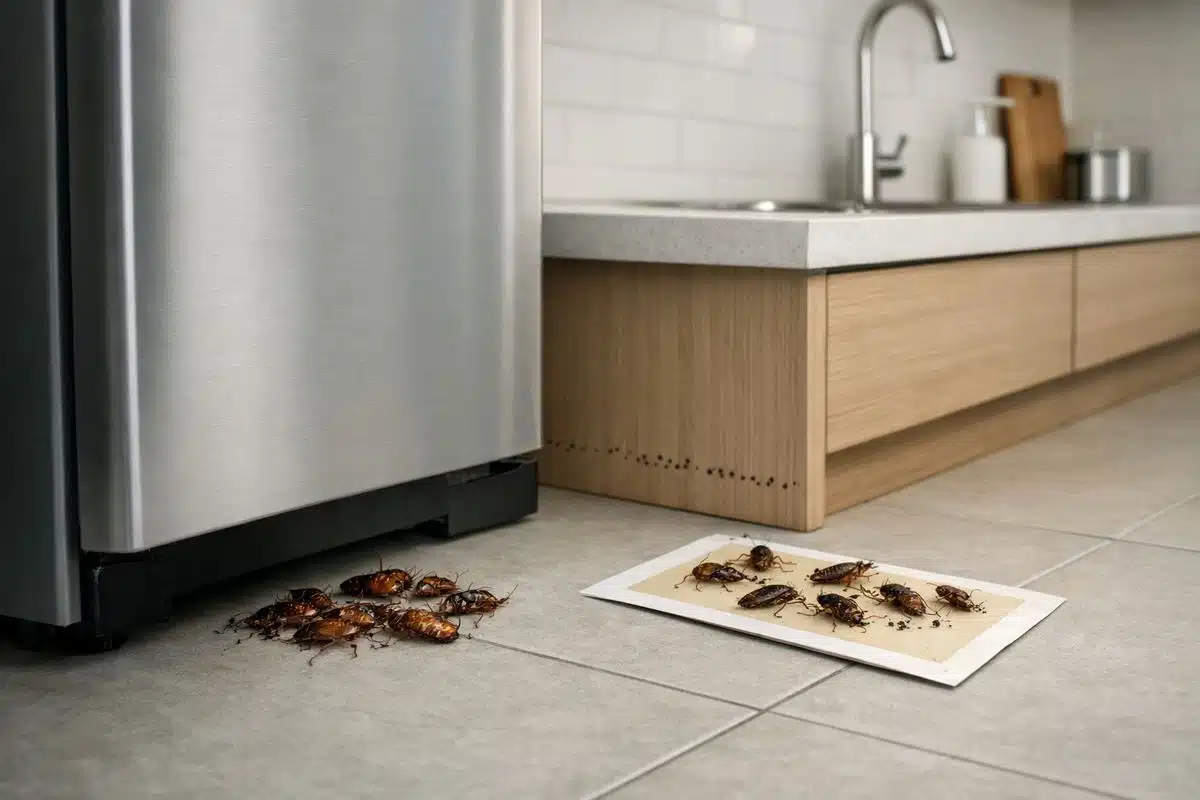
You want somebody looking for droppings, egg cases, staining, odor, moisture, and movement patterns, not just live insects. Sticky monitors help too, because they show where activity is strongest over time instead of relying on whatever happens to be visible during a 20-minute visit.
This is the step that separates a treatment plan from a guess.
Treatment Methods and How Deep the Fix Goes
The real comparison is not one visit versus multiple visits. It’s shallow treatment versus deep treatment.
A one-time service can absolutely be done well. But if the method is weak, the visit count almost doesn’t matter.
Baits, insect growth regulators, and crack-and-crevice work
The best roach work usually leans on bait, insect growth regulators, and targeted applications into hiding zones. Bait is the big one. Roaches eat it, go back to their harborages, and die there. With the right products, the effect can spread through the colony. That’s why bait gel is so often the backbone of serious roach treatment.
IGRs are less flashy but very useful. They disrupt the life cycle so young roaches do not mature normally and egg development gets thrown off. Used with bait, they help turn a quick reduction into a real collapse over the next few weeks.
Crack-and-crevice treatment means putting product where roaches actually live, not where humans happen to look. Public health guidance also points toward targeted cracks and crevices instead of broad routine spraying.
Why “just spraying” is usually not enough
A fast surface spray can kill exposed roaches. That sounds good, and for a day or two it often feels good. But exposed roaches are rarely the whole problem, especially with German roaches.
Spray-only treatments often miss the colony, miss the egg cycle, and miss the deep hiding spots behind equipment and wall voids. Some low-cost spray-only treatments are cheap for a reason. They may knock back what you see without solving what you don’t.
If somebody promises to fix every roach problem with one spray, that’s the kind of confidence you should run from.
Speed of Relief
Everybody wants the same thing after treatment: fewer roaches fast. That’s reasonable. But speed and staying power are not the same thing.
One-time services can deliver fast relief. Ongoing service usually does better at making the relief stick.
What you may notice in the first 24 to 72 hours
In the first day or two, you may see increased activity. That sounds backward, but it happens because treatment disrupts hiding places and sends roaches moving. Baits also draw them out. Some customers notice fewer roaches within days, and many treatments start showing visible results in 24 to 48 hours.
You may also find dead or dying roaches in odd places, especially around base cabinets, behind toilets, near appliances, or under sinks. That part is normal.
What matters is the trend, not one ugly afternoon in the kitchen.
What happens over the next few weeks
This is where one-time treatments either prove themselves or start slipping. After a week or two, visible activity may drop sharply. Then eggs hatch. A missed harborage stays active. Roaches from the next unit migrate in. Suddenly the problem feels “back,” when really it was never fully gone.
Good bait programs often produce strong reduction within a few weeks, but established infestations can need 4 to 6 weeks and more than one service cycle. Some guides note that German roach treatment often takes two to three visits over several weeks. That is not overkill. That is what the biology often demands.
Long-Term Effectiveness and Risk of Reinfestation
This is where ongoing service usually pulls ahead. It is built for what happens next.
One-time treatment is a snapshot. Ongoing service is a system.
When one-time treatment can be enough
A single visit can be enough when activity is light, isolated, and caught early. Maybe you saw a few large roaches near a laundry room exterior wall after heavy rain. Maybe a vacant detached home had minor activity under one sink. Maybe there are no shared walls, no active leaks, no recurring sightings, and you’re ready to clean, seal, and monitor right away.
In those cases, one visit can make sense. Some pest issues really can be handled with a single service, especially when nonchemical fixes are also part of the plan.
But the best-case scenario has to be real, not wishful thinking.
When ongoing service is the safer bet
Recurring service is usually the smarter choice if you’ve had repeat sightings, daytime sightings, multiple rooms involved, neighboring units, staff kitchens, tenant turnover, or a property where a failed treatment turns into complaints, bad reviews, or health concerns.
That includes many condos, apartments, restaurants, assisted living spaces, and commercial kitchens. It also includes homes where past “one-and-done” treatments kept turning into another appointment three weeks later.
If you’re dealing with repeated kitchen sightings or want a provider that treats homes and businesses in Dallas using monitoring and follow-up, this local roach service example shows the kind of treatment structure worth comparing against.
German Roaches: The Make-or-Break Factor
If you learn one thing from this comparison, let it be this: German roaches change the answer.
A mild outdoor roach issue and an indoor German roach infestation are not cousins. They’re barely in the same conversation.
Why German roaches are harder to eliminate
German roaches reproduce fast, hide deep, and stay close to the resources you can’t fully remove, heat, moisture, and food residue. Coffee makers, dishwashers, refrigerators, wall voids, prep lines, electrical outlets, cabinet seams, and break room microwaves all become shelter.
Daytime sightings are a big warning sign. University guidance says daytime activity usually means the population is already large. On top of that, German roaches are linked to asthma and allergy issues and produce a surprising amount of contamination for their size.
This is why recurring, species-specific service usually wins. If you want a deeper look at why this pest needs a different playbook, read about why this species needs a separate plan.
Signs your “small problem” may not be small
A “small problem” stops looking small when roaches show up in more than one room, come out during the day, turn up inside appliances, or keep appearing after DIY gel, traps, or prior professional work.
Egg cases in multiple spots are another bad sign. So is that stale, oily smell in a tight kitchen cabinet bank. In a restaurant, spotting activity around the soda station at 6 a.m. is enough to stop pretending it’s minor.
If you’re already negotiating with the issue instead of surprising it, ongoing service is usually the right move.
Cost Up Front vs Cost Over Time
One-time treatment usually wins the first-invoice contest. That does not mean it wins the value contest.
For roaches, the real cost question is how many times you pay before the problem actually settles down.
Typical one-time treatment pricing
Nationally, a one-time pest control visit often falls around $100 to $300, with cockroach-focused work averaging higher. One pricing guide puts cockroach treatment around $275 on average, with a broad range up to $600 depending on severity.
Size matters too. Smaller homes can land under $150. Larger homes and heavier infestations can move into the $250 to $400 range quickly. German roach work usually costs more than a general pest spray because it takes more labor, more product placement, and often more follow-up.
In DFW, a realistic quote for light to moderate work may feel fair at first glance, then turn less appealing if callbacks are extra. For a closer local pricing breakdown, it helps to compare what fair DFW rates usually look like.
Typical recurring service pricing
Recurring plans are often priced monthly or quarterly. Monthly service commonly lands around $40 to $70 nationally for lighter pest work, with roach-focused recurring plans often closer to $45 to $80 a month. Quarterly plans often run around $100 to $175 per quarter.
What you’re paying for is not just more product. You’re paying for monitoring, reinspection, trap checks, bait refreshes, treatment adjustments, and fewer surprise invoices if activity resurfaces during the service period.
That can feel less exciting than a cheap one-time offer. It’s also usually more honest.
Which option is the better value
If your infestation is light and isolated, one visit can be the better value. No argument there.
But once you get into German roaches, multi-room activity, shared walls, or commercial use, failed one-time visits get expensive fast. One initial spray, one callback, one second company, one tenant complaint, one food-safety issue, one lost customer. Suddenly the “cheaper” option costs more than a plan would have.
The better value is the one that reaches control in the fewest total disruptions, not the one with the smallest first number.
Guarantees, Retreatments, and Accountability
Guarantees sound comforting. What matters is what they actually mean.
A strong guarantee with a weak treatment plan is still weak.
Questions to ask about callbacks
Ask how long the guarantee lasts. Ask what counts as a free retreat. Ask whether German roaches are excluded, treated differently, or covered only under a recurring plan. Ask if the callback includes a full reinspection or just another quick spray.
Also ask whether follow-up visits are already built into the quote. Some companies price one visit low and make the second and third visit your problem.
If the answers are vague, assume the guarantee is vague too.
Why follow-up matters more than promises
A callback promise is useful only if somebody already expects to monitor results and adjust the treatment. Roach control works best as an inspection-led process, not a slogan. In fact, guidance from Illinois public health pushes inspection-based control over routine spraying for exactly this reason.
The best providers talk about what happens after the first visit. The weaker ones talk mostly about how fast they can get someone out there.
Disruption, Convenience, and Day-to-Day Hassle
Roach treatment always affects your routine a little. The question is whether you want one bigger burst of responsibility now, or a lighter managed routine over time.
That answer changes by property type.
What one visit asks from you
One-time service often puts more responsibility on you after the technician leaves. You may need to prep counters, empty some cabinets, move items away from walls, vacuum, fix leaks, reduce clutter, and follow sanitation steps closely. Then you have to watch for new activity and decide whether the treatment worked.
That’s doable in a detached home with a mild issue. It’s a lot harder when tenants vary in housekeeping, staff change shifts, or several units share plumbing lines.
In short, one-time treatment often works best when you’re organized and ready to handle the prevention side quickly.
What recurring service changes
Recurring service lowers the mental load. Instead of staring under the sink every night and wondering if that one roach means failure, you have a process: check, monitor, adjust, retreat if needed.
For property managers and business owners, that’s a big deal. A managed routine is less disruptive than repeated flare-ups. It also gives you records, which can matter for tenant communication, food-service standards, or internal maintenance accountability.
Sometimes convenience is not a luxury. It’s the only practical way to stay ahead.
Prevention and Why the Problem Comes Back
No treatment can outrun bad conditions forever. Roaches stay where water, food, shelter, and access stay available.
That’s why treatment and prevention have to work together.
The role of sanitation, sealing, and moisture control
Sanitation just means removing what feeds them. That includes crumbs, grease film, pet food left out overnight, cardboard clutter, trash residue, and food spills under appliances.
Sealing means closing off access and hiding spots. Gaps around pipes, baseboards, cabinet penetrations, door sweeps, utility openings, and wall cracks all matter. Moisture control means fixing leaks, drying out under-sink areas, managing condensation, and dealing with drain issues.
The EPA-backed advice to seal gaps and cracks is not some extra credit step. It’s one of the reasons one property stays clear while another keeps relapsing.
Sticky traps and monitoring as your “eyes”
Sticky traps are simple, but they’re useful because they show where activity is happening when nobody is looking. Under a dishwasher. Behind the break room fridge. Along a utility closet wall. Next to a tenant’s sink line.
That tracking gives recurring service a built-in advantage. You’re not guessing whether the problem moved. You’re checking.
And once monitors go quiet, ongoing service can become lighter and more targeted instead of staying aggressive forever.
Best Choice for Different Property Types
The property itself often decides the answer before the quote does.
Single-family homes
In a detached single-family home, one-time treatment can make real sense if the activity is light and the source is contained. A few American roaches around a plumbing entry point or a small early problem in one kitchen zone may not need months of service.
But if the home has recurring moisture issues, a history of German roaches, or sightings in several rooms, recurring care is still the smarter move. Detached does not always mean simple.
Apartments, condos, and multi-unit properties
Shared walls, shared plumbing, neighboring housekeeping issues, and unit turnover make one-time treatment much less reliable in multi-unit settings. You can get one unit under control and still have reinfestation pressure next week.
In these buildings, recurring monitoring and coordinated follow-up usually beat isolated one-off appointments. If the issue is German roaches, this becomes even more obvious. When comparing providers, it helps to know what competent species-specific service should look like.
Restaurants and food-service spaces
Restaurants have higher stakes and less margin for failure. Warm equipment, drains, crumbs, grease, cardboard, deliveries, and late-night quiet make excellent roach conditions. One bad flare-up can affect inspections, staff confidence, and customer perception.
That’s why ongoing monitoring and follow-up are usually the practical choice here, not the upsell choice. For food-service operations, it helps to review what to ask before hiring for a kitchen environment.
How to Tell if a Company Is Actually Qualified
A good quote should sound specific. A weak quote sounds generic.
If you hear the same script for ants, spiders, and roaches, that’s not a roach plan.
Signs you’re getting a real roach plan
A qualified company talks about species, inspection depth, bait placement, IGR use, crack-and-crevice work, monitoring, sanitation notes, and follow-up timing. You should hear where treatment will go and why.
You should also get written prep instructions if prep is needed. If German roaches are suspected, the company should explain that control may take more than one visit and why.
Plain language is a good sign too. Good providers do not need mystery to sound competent.
Red flags during quoting
Be careful with flat pricing given before any inspection, vague phrases like “general pest spray,” no mention of species, no questions about where roaches were seen, and promises that one visit solves every infestation.
Another red flag is a company that talks a lot about perimeter spraying and almost nothing about kitchens, moisture, appliances, or follow-up. Roaches are not lawn pests. They live where your building gives them what they need.
If the quote sounds too easy, it probably is.
When to Choose a One-Time Roach Treatment
A one time roach treatment is not a bad option. It’s just a narrow-fit option.
Best-fit scenarios
Choose one-time treatment when the infestation is light, isolated, and recently discovered. A detached property works best. No shared walls. No daily sightings. No signs of German roaches multiplying in hidden areas. No moisture issue that keeps feeding the problem.
It also fits best when you’re ready to do your part quickly: cleaning, sealing, fixing leaks, reducing clutter, and monitoring after the visit. In that setup, one service can be enough and can save money.
Cases where it’s probably a false economy
It’s probably a false economy when the issue has already repeated, when roaches are active in several rooms, when daytime sightings are happening, when appliances are involved, or when the property has shared walls or high consequences for failure.
It also becomes a bad bet when the “one-time” service is really just a cheap spray with no bait, no IGR, and no follow-up. That kind of appointment often buys hope for a week and frustration for a month.
Cheap and effective are not the same thing.
When to Choose Ongoing Service
If the problem is serious, recurring service is usually the right call. Not because more visits sound nice, but because the infestation has already shown you it needs more than one move.
Best-fit scenarios
Choose ongoing service for German roaches, repeat sightings, multi-room activity, apartment and condo layouts, restaurants, offices with shared kitchens, and properties where failure creates tenant complaints, health concerns, or business disruption.
This is also the better fit when you’ve already tried DIY, had prior treatment, or keep seeing roaches after a brief improvement. At that point, you don’t need another hopeful reset. You need a plan that can adjust.
Cases where the extra spend pays back
The extra spend usually pays back when it prevents repeat callbacks, protects reviews, reduces staff distraction, lowers tenant frustration, and keeps a manageable issue from turning into a severe one.
It pays back when you stop paying for the same problem three different ways.
That is especially true in food-service spaces, larger properties, and any building with German roaches tucked into equipment, cabinets, or neighboring units.
Verdict: One-Time Treatment or Ongoing Service?
Ongoing service is the better choice for most serious roach situations. It wins because roach problems usually fail on follow-up, not on first contact. One-time treatment only wins when the problem is truly small, contained, caught early, and backed by strong cleanup and sealing after the visit.
If you’re comparing companies this week, try one simple test: ask whether the plan includes bait, insect growth regulators, and follow-up for German roaches. The answer will tell you a lot faster than the price sheet will.
Frequently Asked Questions
Can a one time roach treatment really work?
Yes, but only in the right situation. It works best for light, isolated activity that was caught early, especially in a detached property with no shared walls and no ongoing moisture issue. Once activity is recurring, spread across rooms, or tied to German roaches, one visit is much less reliable.
How do you know if you need ongoing service instead?
You usually need ongoing service if you see roaches during the day, find activity in more than one room, keep seeing roaches after DIY or prior treatment, or manage a property where reinfestation pressure is high. Apartments, condos, restaurants, and buildings with shared plumbing are common examples.
What should be included in a good one-time roach treatment?
A good one-time service should include inspection, species identification, targeted treatment, and clear follow-up instructions. For roaches, that usually means bait, crack-and-crevice treatment, and often an IGR, not just a quick spray around the baseboards.
Why do roaches show up after treatment?
Seeing some activity after treatment does not always mean failure. Roaches may leave hiding spots after products are applied, and eggs may hatch later. The bigger concern is continued activity after a few weeks with no downward trend, especially if the original treatment had no monitoring or follow-up.
Is monthly service always necessary for roaches?
No. Some properties do fine with one well-done treatment and prevention work. Others need short-term monthly visits until activity is controlled, then less frequent monitoring. The right schedule should match confirmed activity, not a one-size-fits-all calendar.
What’s the biggest mistake when choosing a roach company?
The biggest mistake is buying the cheapest visit without asking how the company handles species, baiting, growth regulators, follow-up, and German roaches. A low quote for a surface spray can end up costing more than a stronger plan that actually solves the problem.
