
Garage Doors: One of the Most Overlooked Pest Entry Points
The garage door is the largest moving opening in most homes, yet it is often overlooked when homeowners think about pest prevention.
A garage door can appear completely closed while leaving small openings along the bottom corners, sides, tracks, or framing. To a mouse, cockroach, cricket, spider, or other pest looking for food and shelter, those openings can provide a convenient way inside.
This is especially important in North Texas, where garages often serve as the transition between outdoor conditions and climate-controlled living spaces. Once pests reach an attached garage, they may have additional opportunities to enter walls, attics, kitchens, laundry rooms, and other areas of the home.
Understanding where garage doors develop gaps and what attracts pests to garages can help homeowners prevent problems before they move farther inside.
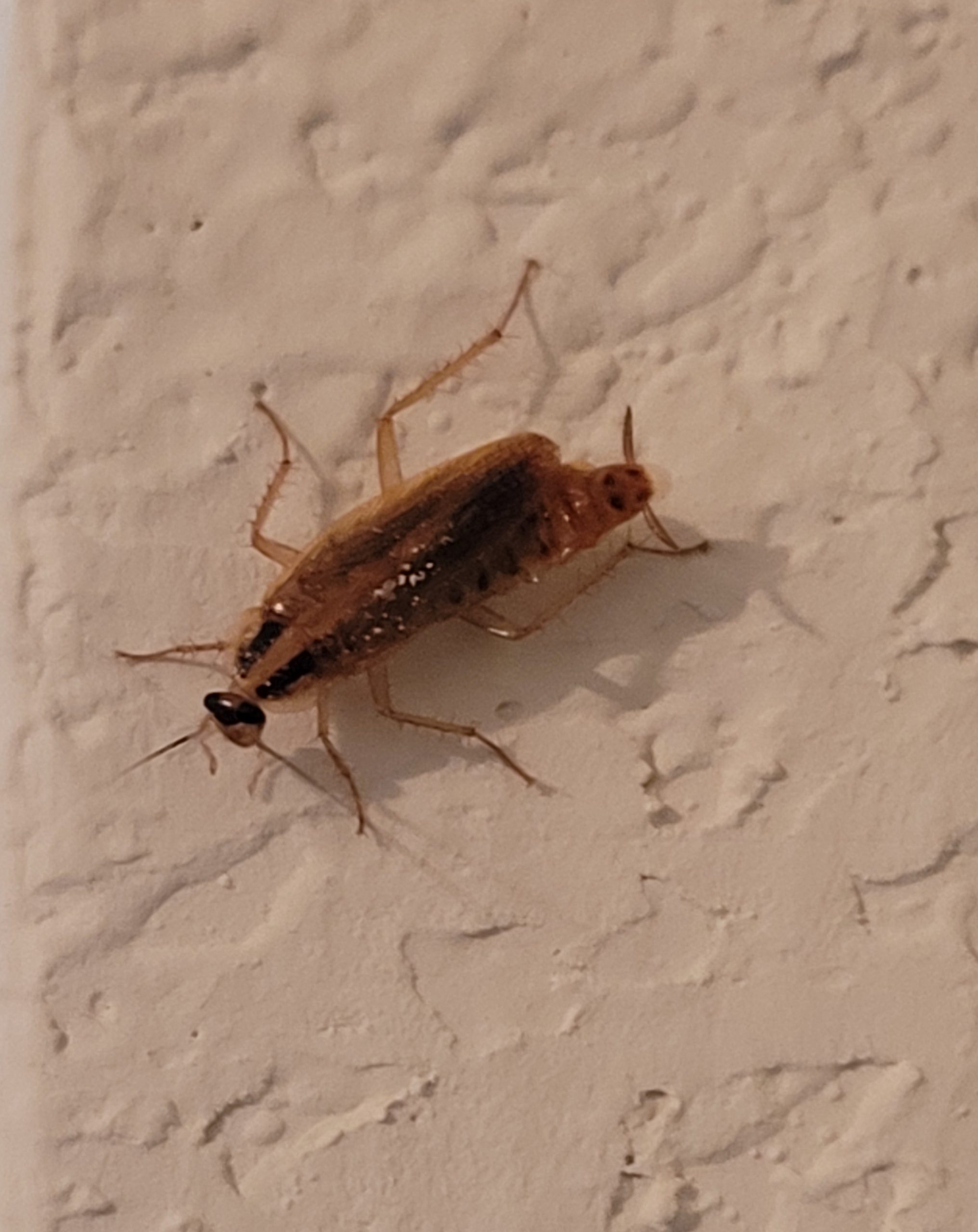
Why Garages Attract Pests
A garage provides many of the things pests need.
It offers protection from weather, relatively stable temperatures, hiding places, and sometimes food and water.
North Texas garages commonly contain:
- Cardboard boxes
- Pet food
- Birdseed
- Grass seed
- Garbage containers
- Recycling
- Stored household goods
- Gardening supplies
- Holiday decorations
- Workbenches
- Appliances
A garage doesn’t have to be dirty to attract pests. Even a well-maintained garage can provide excellent shelter if pests have a way inside.
The Bottom Garage Door Seal
The rubber or vinyl strip running along the bottom of a garage door is one of the first places homeowners should inspect.
When the door closes, this seal should make consistent contact with the floor.
Over time, however, bottom seals can:
- Crack
- Harden
- Tear
- Flatten
- Separate
- Become distorted
Even relatively small openings can allow insects inside.
Rodents require more space, but mice are capable of squeezing through surprisingly small openings.
If daylight is visible beneath a closed garage door, the seal deserves attention.
Pay Particular Attention to the Corners

Pay Particular Attention to the Corners
The bottom corners of garage doors are common trouble spots.
This is where several components meet:
- The bottom seal
- Vertical weather stripping
- Garage door track
- Door frame
- Concrete floor
Each component may look acceptable individually while still creating a small opening where everything comes together.
These corner gaps are easy for homeowners to overlook because they’re often difficult to see while standing inside the garage.
Inspecting the door from both inside and outside can reveal openings that aren’t obvious from only one direction.

Side and Top Weather Seals Matter Too
The bottom of the door receives most of the attention, but gaps can also develop along the sides and top.
Exterior weather stripping should make consistent contact with the garage door when it’s closed.
Age, heat, sunlight, repeated door movement, and physical damage can cause these seals to warp or pull away.
Gaps along the sides can provide entry for:
- Cockroaches
- Crickets
- Spiders
- Beetles
- Ants
- Other crawling insects
Replacing damaged weather stripping can improve both pest exclusion and weather protection.

Uneven Concrete Can Create Hidden Openings
Sometimes the garage door isn’t the problem.
The floor is.
Concrete can settle, crack, or become uneven over time. A perfectly good bottom seal may therefore contact most of the floor while leaving an opening in one location.
This can be particularly difficult to identify during daylight because shadows make small gaps less obvious.
One simple inspection method is to stand inside the garage with the lights off during daylight and look along the perimeter of the closed door.
Visible light often reveals openings worth investigating.

Garage Door Tracks Aren’t the Problem, But the Areas Around Them Can Be
Garage door tracks require clearance for the door to operate correctly.
Homeowners should never modify mechanical components simply to eliminate an insect opening.
Instead, inspect the surrounding framing.
Look for:
- Gaps between materials
- Missing weather stripping
- Cracks
- Open joints
- Damaged trim
- Deteriorated sealant
Any repairs should preserve the safe operation of the garage door.
Which Pests Commonly Enter Through Garages?
Different pests use garages for different reasons.
Mice and Rats
Rodents seek protected areas where they can find food and nesting material.
A garage can provide both.
Pet food, birdseed, grass seed, garbage, cardboard, and stored belongings can make an accessible garage especially attractive.
Once rodents enter, they may investigate wall openings or structural gaps that lead farther into the house.
Cockroaches
North Texas cockroaches commonly move through garages while searching for food, moisture, and shelter.
Garages containing water heaters, utility sinks, refrigerators, freezers, pet dishes, or plumbing may provide additional moisture sources.
Crickets
Crickets frequently gather around garages, patios, exterior doors, and other structures.
Exterior lighting can attract insects toward the building, placing them only a few feet from potential entry points.
Spiders
A spider in the garage often indicates that the garage provides something worth staying for.
Usually that’s food.
If flying and crawling insects are regularly entering the garage, spiders have a reliable food source.
Reducing insect activity can therefore help reduce spider activity as well.
Ants
Ants can enter around garage doors, cracks in concrete, expansion joints, and other small openings.
Their presence may become especially noticeable following heavy North Texas rainfall or prolonged dry conditions.
Exterior Lighting Can Increase Pest Pressure
The light beside your garage may be contributing to the problem.
Many flying insects are attracted to artificial light at night. Once they gather around garage doors, windows, and exterior walls, predators such as spiders also arrive.
This creates concentrated pest activity directly beside potential entry points.
Homeowners don’t necessarily need to eliminate exterior lighting, but placement, fixture design, and unnecessary overnight illumination are worth considering when pest activity around a garage is unusually high.
Landscaping Beside the Garage Matters
A beautifully landscaped garage entrance can also provide ideal pest habitat.
Dense shrubs, heavy mulch, ground cover, leaf debris, and irrigation can create cool, moist environments where insects thrive.
Problems become more likely when landscaping touches the structure or conceals the lower portions of exterior walls.
Consider:
- Trimming shrubs away from the structure
- Preventing mulch from covering structural openings
- Removing accumulated leaves
- Correcting irrigation overspray
- Avoiding persistent moisture beside the garage
The goal isn’t to eliminate landscaping. It’s to prevent landscaping from becoming a protected pathway directly to the building.
Cardboard Boxes Create Excellent Hiding Places
Garages often become long-term storage areas.
Cardboard boxes are inexpensive and convenient, but they also create dark, protected spaces that can harbor insects and provide nesting material for rodents.
Boxes stored directly against walls can also make pest activity difficult to detect.
For items being stored long term, sealed plastic containers can make inspection easier and provide better protection.
Don't Take Our Word For It. Read What Over 140 Happy Customers Say About Our Service
EXCELLENT
Pet Food Is Still Food
Large bags of dog or cat food are commonly stored in garages.
Rodents don’t care that the food wasn’t intended for them.
Neither do many insects.
Open bags, damaged packaging, and spilled kibble can provide a substantial food source.
Pet food stored in a garage should be kept in durable, tightly sealed containers, and spills should be cleaned promptly.
The same principle applies to birdseed and other animal feed.
Garbage and Recycling Can Attract Pests
Garbage containers provide odors and food residue that attract insects and rodents.
Recycling isn’t necessarily harmless either.
Beverage containers, food packaging, cans, and bottles can retain enough residue to attract pests.
Containers should remain closed whenever possible, and food residue should not be allowed to accumulate around the garage floor.
The Door Between the Garage and House Is Your Second Line of Defense
Stopping pests at the exterior garage door is ideal.
But attached garages usually have another important barrier: the door leading into the home.
Inspect it just as carefully.
Look for:
- Damaged weather stripping
- Worn door sweeps
- Gaps around framing
- Doors that don’t close completely
- Openings around nearby utilities
If an insect or rodent enters the garage, a properly sealed interior door provides another layer of protection.
Utility Penetrations Can Provide the Next Step Inside
Garages frequently contain electrical wiring, plumbing, HVAC lines, water heaters, laundry connections, and other utilities.
Where these systems pass through walls, gaps may remain around pipes, cables, and conduits.
A pest that reaches the garage may use these openings to access wall voids or adjoining rooms.
This is one reason a garage pest problem shouldn’t automatically be viewed as separate from pest activity elsewhere in the house.
What About Attached Attics?
Many North Texas homes have attic space extending above the garage.
That makes the garage particularly important when dealing with rodents.
Rodents entering around garage framing or nearby structural openings may eventually find pathways into attic areas.
Once established overhead, they can be difficult for homeowners to detect until scratching sounds, droppings, odors, or damaged materials become noticeable.
Rodent problems therefore require more than simply placing traps in the garage. Finding and correcting entry points is an important part of long-term control.
A Five-Minute Garage Door Pest Inspection
Homeowners can perform a basic inspection without special equipment.
Step 1: Close the Garage Door
Make sure it closes completely and normally.
Step 2: Look for Daylight
With the garage relatively dark, inspect the bottom, sides, and corners.
Visible daylight deserves investigation.
Step 3: Inspect the Bottom Seal
Look for cracks, tears, flattening, or missing sections.
Step 4: Inspect the Corners
Pay close attention to where the bottom and side seals meet.
Step 5: Check Exterior Weather Stripping
Look for warped or separated material.
Step 6: Examine the Garage Interior
Look for droppings, dead insects, spider webs, gnawing, food debris, and damaged packaging.
Step 7: Check Stored Food
Make sure pet food, birdseed, and similar products are properly sealed.
Step 8: Look Around Utility Openings
Inspect visible areas around plumbing, wiring, and other penetrations.
This simple inspection can reveal problems long before they develop into an obvious infestation.
Don’t Sacrifice Garage Door Safety for Pest Exclusion
Pest prevention should never interfere with the safe operation of a garage door.
Tracks, sensors, springs, cables, rollers, and other mechanical components should not be modified simply to close a suspected pest opening.
When repairs involve the operation of the door itself, a qualified garage door professional may be the appropriate person to handle them.
Pest exclusion should complement the structure rather than create another problem.
Pest Control and Exclusion Work Together
Treating pests already inside the garage addresses only part of the issue.
If the opening that allowed them inside remains unchanged, new pests can continue entering.
Effective long-term pest management may involve:
- Identifying the pest
- Treating an existing population
- Finding likely entry points
- Correcting conducive conditions
- Improving sanitation
- Reducing moisture
- Sealing appropriate structural openings
- Monitoring for new activity
That combination is considerably more effective than repeatedly treating whatever happens to appear.
Garage Pest Prevention Checklist
Periodically check the following:
- Bottom garage door seal
- Bottom corners
- Side weather stripping
- Top weather stripping
- Concrete beneath the door
- Door leading into the house
- Utility penetrations
- Exterior lighting
- Landscaping
- Cardboard storage
- Pet food
- Birdseed
- Garbage
- Recycling
- Moisture sources
- Signs of rodents
- Spider webs
- Dead insects
A few minutes of inspection can reveal conditions that might otherwise remain unnoticed for months.
Frequently Asked Questions
Can mice really get underneath a garage door?
Yes. Mice can use surprisingly small openings. Worn bottom seals and gaps at garage door corners are particularly important areas to inspect.
Why are there always spiders in my garage?
Garages frequently provide spiders with shelter and access to insects. Reducing the insects entering the garage can make the environment less attractive to spiders.
Why do I find dead bugs near my garage door?
Insects may be entering beneath or around the door, particularly when outdoor conditions or lighting attract them toward the garage.
Should a garage door be completely airtight?
No. A garage isn’t designed to function like a sealed living space. The objective is to correct unnecessary gaps without interfering with ventilation or safe garage door operation.
Can I just spray around the garage door?
Treatment may help control certain pests, but it doesn’t repair damaged seals, remove food sources, correct moisture problems, or close structural openings.
Why do crickets keep getting into my garage?
Crickets commonly gather around structures and exterior lighting. Small gaps beneath garage doors and around weather stripping can provide easy entry.
Should I store pet food in the garage?
Pet food can be stored in a garage, but it should be kept in a durable container with a tightly fitting lid rather than an open or loosely folded bag.
Does seeing a mouse in the garage mean it’s inside my house?
Not necessarily. However, an attached garage provides potential pathways into other parts of the structure, so rodent activity there deserves attention.
Protect Your Home Year-Round
Garage Pest Problems in North Texas
Garages in Plano, Murphy, Richardson, Sachse, Rowlett, and surrounding North Texas communities face pest pressure throughout the year.
Hot summers can push insects toward cooler protected spaces. Heavy rainfall can change ant and cockroach activity. Falling temperatures can increase rodent movement. Landscaping, exterior lighting, stored materials, and small structural gaps can further increase the likelihood of pests entering.
The garage door is only one part of the home’s exterior, but because of its size and constant movement, it’s one of the most important areas to inspect.
Preferred Pest Management helps North Texas homeowners identify pest activity, investigate potential entry points, and address the conditions that allow recurring pest problems to develop.