
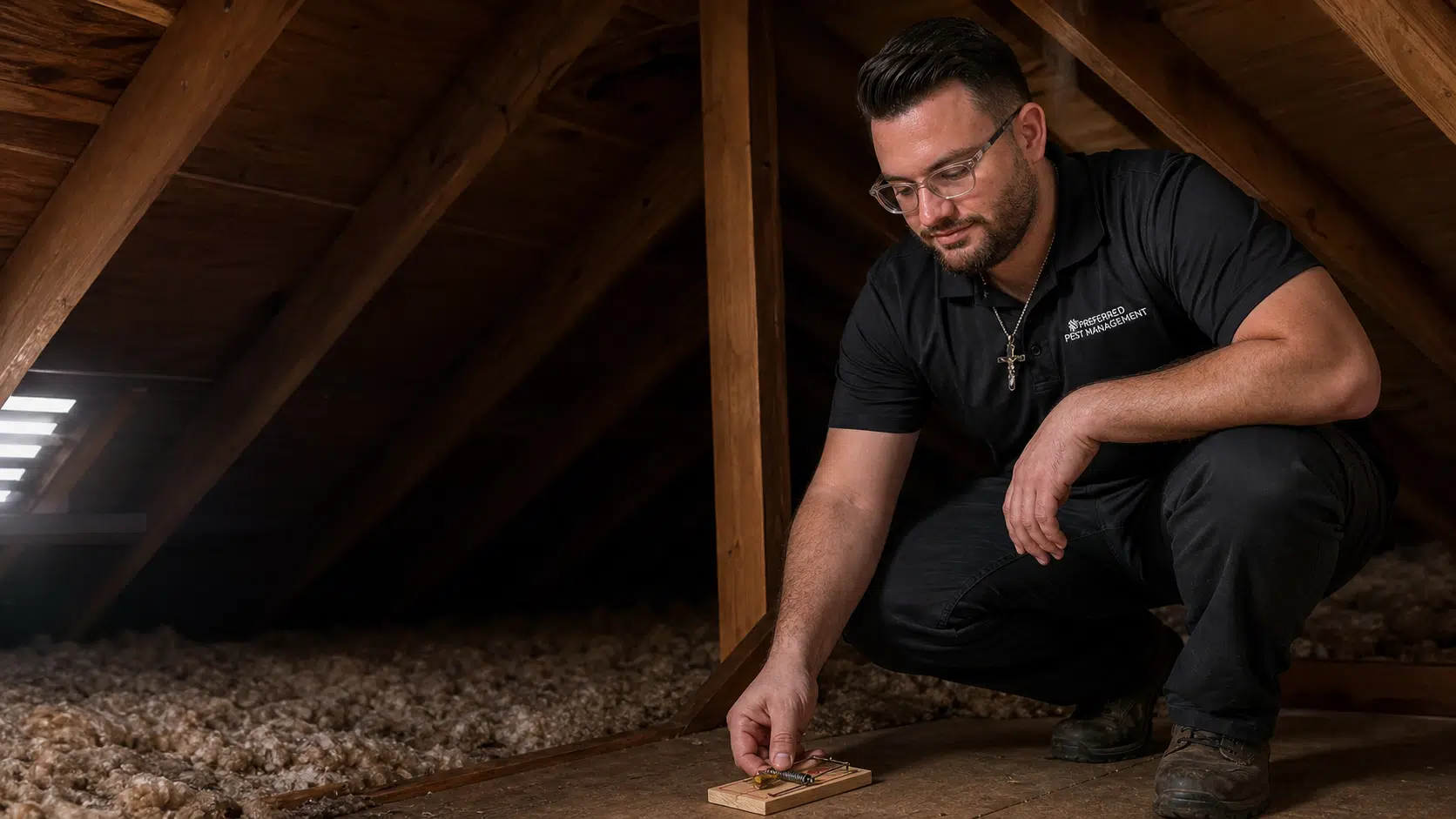
Rodent infestations can wreak havoc on your household, posing risks to both your comfort and your health. By prioritizing rodent proofing your house, you protect against costly damage, reduce exposure to disease, and ensure that your living environment remains comfortable for everyone. Whether you’re tackling mice, rats, or other invasive rodents, a well-planned approach can make all the difference. With the right combination of sealing techniques, preventive measures, and proactive maintenance, you can keep these unwanted guests out for good.
At the heart of successful rodent-proofing is understanding what attracts these critters and how they gain entry. From there, you can systematically close off any openings, eliminate what draws them inside, and steer clear of the mistakes that lead to repeated infestations. Below, you’ll discover the most effective strategies for a rodent-free home, along with the most frequent missteps to avoid. By the end, you’ll have a comprehensive plan you can put into action immediately.
Recognize rodent threats
To secure your living space, it’s helpful to know exactly how mice and rats behave. Rodents typically seek out warmth, shelter, and easily accessible food sources. Thanks to their ability to squeeze through holes as small as 1/4 inch (around the width of a pencil), they can infiltrate even well-maintained homes if certain spots remain unprotected. According to the CDC, gaps of this size or larger are effectively an open door for rodents. [1]
Rodents also multiply quickly, so a minor issue can escalate into a significant infestation in no time. Mice have been known to reproduce year-round, and rats can have multiple litters annually. Their droppings contaminate surfaces and food, and some varieties, as noted by Mitchell Pest Services—carry dangerous diseases like Salmonella. Additionally, rodents can chew through wires, potentially contributing to electrical fires if left unchecked. Recognizing these threats is the first step in forming a solid prevention plan.
Beyond structural concerns, rodents also pose a clear personal-health risk. The presence of droppings and urine in hidden corners of your home can compromise air quality and cause allergies or respiratory problems. By understanding these challenges, you can address them before they escalate. Knowledge of rodent vulnerabilities is your greatest ally—once you know what draws them in, you can systematically remove each temptation.
Conduct a thorough inspection
An inspection is the cornerstone of any effective rodent-proofing strategy. Before you seal even the smallest gap, it’s essential to pinpoint exactly where rodents might be sneaking in. Begin outdoors, methodically circling your house to check for cracks in the foundation, spaces under doors, and small holes around utility lines. Preferred Pest also emphasizes the importance of looking around vents and siding where minor flaws can create entryways.
Next, move inside. Carefully examine kitchens, bathrooms, utility rooms, and garages. Shine a flashlight under sinks to spot holes near pipes, look behind large appliances, and identify gaps around wiring. If you catch sight of gnaw marks, droppings, or shredded materials, those are signs that rodents have already discovered that area. Incorporate a plan for regular follow-up inspections—this can be as simple as a monthly sweep along baseboards and behind furniture. The goal is to catch early indications of a potential entry point and fix it long before rodents settle in.
Consider creating a small checklist that guides you through every zone of your home. Revisit this checklist seasonally, particularly before winter, when colder temperatures prompt rodents to seek refuge indoors. Look for fresh gnaw marks, unexplained noises, or droppings in out-of-reach places like attics or crawl spaces. Armed with detailed inspection notes, you’ll have a clear road map for where to focus your rodent-proofing efforts.
Learn more about the signs, removal process, and next steps in our guide to getting rodents out of an attic.
Secure all entry points
Once you have identified possible infiltration zones, the next step is repairing and sealing them thoroughly. Mice and rats often make their way through unprotected doors, windows, and garage entrances, so pay special attention to any visible light around door frames. A heavy-duty door sweep can block this gap effectively. For a proven solution, consider products designed specifically for rodent exclusion, such as Xcluder® Door Sweeps that combine thick rubber with stainless steel mesh for chew-resistant protection. [3]
In addition to doors, fill every crack and crevice around your foundation, windows, and outer walls. Some DIYers resort to caulk or foam, but rodents can eventually gnaw through many standard materials. Reinforce them with mesh or a specialized fill fabric if you want a long-lasting barrier. Wire mesh of about 16-gauge or heavier, as recommended by the BC SPCA, makes an excellent solution, especially for vents or large openings. [4]
For gaps surrounding pipes or cables, start by stuffing in stainless steel wool or a dedicated exclusion product, then finish with sealant. Many rodent-proofing fabrics combine polyester fibers with steel wool, so that once sealed, rodents give up on trying to chew through the barrier. A firm seal around these crooks and crannies is essential. By systematically closing each possible point of entry, you drastically reduce the odds of any pests finding their way inside.
Be mindful of indoor attractants
Even if you lock every door and plug every hole, rodents will persevere if your home remains a buffet of easy meals. The CDC suggests that food and water sources are top draws for mice and rats. [1] Start in the kitchen: store grains, cereals, pet food, and snacks in airtight glass or plastic containers, and quickly clean up crumbs or spills. Don’t overlook items like fruit bowls on countertops or open trash cans, which can provide a steady food supply.
Also stay vigilant about water sources. A leaky pipe or dripping faucet can attract rodents who thrive on consistent moisture. Inspect your bathrooms and utility rooms for leaks, and be sure to fix them quickly. If you have pets, make sure their food dishes are not left out overnight. By limiting food and water access, you signal to any rodents scouting your home that they won’t find an easy meal there.
Keep your living spaces tidy. Old newspapers, cardboard boxes, and soft materials are prime nest-building supplies. Avoid piling clutter in corners or letting cardboard accumulate in the basement. Martha Stewart’s suggestion is to declutter and elevate storage, reducing places for rodents to hide. [5] A neat, minimal environment makes your home less inviting to pests.
Avoid typical rodent-proofing pitfalls
One common error is assuming that a single product or approach covers all vulnerabilities. You might use foam sealant around one window but forget that the basement door remains unprotected. Others rely on poisons or glue traps without tackling the root causes—those methods may temporarily reduce numbers, but they won’t stop new rodents from coming in. [4] True rodent proofing your house requires a holistic method: seal holes, simplify indoor clutter, reduce food sources, and maintain a consistent schedule of inspections.
Another mistake is neglecting elevated openings. Mice and rats can climb rough vertical surfaces and easily travel along cables. Remember to check for gaps in your attic or near the roofline. Skylights, attic vents, and chimney flues should be properly screened or sealed to prevent infiltration. If you only inspect at ground level, you’ll miss these overhead entry points.
Here are a few frequent missteps to watch out for:
- Ignoring partially hidden gaps behind large appliances or cabinets.
- Postponing minor repairs, such as door sweeps that don’t fit snugly.
- Overlooking open crawl spaces or basement windows that lack screens.
- Failing to address ripped window screens, which can be a direct invitation for rodents.
By carefully looking beyond the obvious problem areas, you can avoid costly oversights. Ultimately, the biggest pitfall is underestimating just how persistent rodents can be. Make sure you’re blocking every avenue they might exploit.
If you live in Fate, TX and you are hearing activity in the attic, finding droppings, or seeing evidence that rodents are already inside, sealing exterior openings is only part of the solution. Preferred Pest Management provides rodent control in Fate, TX, including inspection, active-control options, and exclusion recommendations based on the property.
Embrace environmentally friendly measures
A conscientious approach to rodent control not only protects wildlife but also improves safety inside your home. Rodenticides, for instance, can harm non-target animals and create secondary poisoning risks for pets. [4] Glue traps often cause prolonged suffering and still don’t address the root cause of the infestation. A better choice is to combine durable exclusion materials with strategic habitat modification—removing easy nesting spots outdoors and preventing new rodents from returning.
Certain natural deterrents, like peppermint oil, may help in a small capacity, but they’re rarely a standalone fix. Modern eco-friendly methods often involve smart monitoring tools or sealing solutions that specifically target rodents without introducing toxins into your environment. For instance, using stainless steel mesh inside gaps is both humane and highly effective.
Regularly clearing yard debris is another environmentally conscious tactic. Remove piles of leaves, branches, or wood stashed close to your home, which create harborages for rodents. Trimming shrubs and vegetation back from the house establishes a clear boundary that rodents are hesitant to cross. By integrating these small steps, you create a less hospital environment and lessen the chance of a large infestation forming in the first place.
Consult professional solutions
There are times when even the most diligent DIY approach may not be enough—especially if your home harbors a well-established rodent problem. In those instances, professional rodent control experts offer specialized knowledge, from advanced trapping strategies to customized exclusion plans. They often begin with a comprehensive inspection, then propose targeted measures for your specific layout.
According to Mitchell Pest Services, professional treatments can drastically reduce rodent populations while protecting your property from further damage. Rodents that chew through wires pose a serious safety risk, so calling in the pros can help you avoid expensive repairs or potential fire hazards. Likewise, companies such as Orkin perform follow-up checks to ensure your long-term success, and they tailor solutions to your home’s unique vulnerabilities. [2]
You can also explore integrated pest management services that use chemical-free or low-toxicity methods—another great option if you prefer eco-friendly approaches. For a look at specialized exclusion techniques that go hand in hand with professional solutions, consider rodent exclusion service from Preferred Pest Management. Even if you do most of the sealing and organizing on your own, a seasoned professional can confirm that you haven’t overlooked any hidden issues.
Maintain a pest-free environment
Rodent proofing your house isn’t a one-and-done task. To ensure your home remains protected, schedule periodic maintenance. Make it a habit to revisit caulked seams and mesh barriers at least twice a year. If you notice even slight fraying or cracking, patch it immediately. Rodents exploit these weak points fast. Also, reevaluate your indoor spaces: is clutter creeping back into that hall closet or under the sink?
It’s equally smart to plan seasonal yard work around rodent prevention. Keep grass trimmed, remove yard refuse, and dedicate a corner of your garage to neatly store firewood or gardening supplies rather than scattering them near the house. If you suspect a surge in rodent activity, consider placing a few monitoring devices in strategic locations. Regular checks of these traps or motion sensors can alert you to renewed rodent activity before a minor problem snowballs.
Whenever you want fresh ideas to keep your living space safe, consult rodent extermination experts advice for proven tips you might not have tried yet. As your local climate changes and new opportunities for entry present themselves, you’ll want to stay informed on the best rodent control methods. For example, technology evolves, and new sealants and barrier techniques constantly emerge. Never assume your current setup is permanent—vigilance is the key to a perpetually rodent-free environment.
Strengthen your rodent-proofing strategy
Once you’ve covered the basics – inspecting, sealing, and decluttering—try going one step further by employing advanced products or procedures. Some homeowners find solutions like specialized garage door seals or corridor-based deterrent systems especially useful if they have a high rodent population nearby. Keep in mind, too, that climate and weather events can influence rodent behavior. Intense rains might drive them indoors seeking higher ground.
If you’d like to learn more about advanced tactics, check out best rodent control methods. You’ll find plenty of tips on choosing traps, using specialized baits, or integrating electronic devices. Meanwhile, for a broader approach covering every angle of protecting your home, you can explore a complete pest-free home rodent prevention guide. It’s all about layering your efforts so there’s no single point of failure.
Even the most solid plan benefits from fresh insight now and then. A professional can help you adapt as your living space evolves, and they might see vulnerabilities previously overlooked. Sometimes, a few minor tweaks—like installing higher-quality door sweeps—are all it takes to stop rodents from returning.
Conclusion and next steps
Rodent proofing your house means creating multiple barriers against intrusion while removing anything that tempts mice and rats to linger. With each step—recognizing their motivations, sealing entry points, clearing out attractants, and staying aware of seasonal changes so you get closer to a home that rodents will bypass entirely.
Small actions, such as properly storing your food and sealing a single gap near a basement pipe, add up to a big impact over time. Remember that repeated inspections are necessary, both to catch new problems early and to maintain existing preventative materials. For stubborn or large-scale infestations, don’t hesitate to consult the experts. By combining your hands-on efforts with professional rodent control services, you’ll protect your home, your family, and your peace of mind.
References
- (CDC)
- (Xcluder)
- (BC SPCA)
- (Martha Stewart)
